

36 The Readiness Levels of Japan Supported Biomass Energy …
545
0
10
20
30
40
50
Basic Research
Research
Experiment
Feasibility
Study
Pilot
Demonstration
Project
Full Scale
Operation
Percentage of projects (%)
Technology development project maturity level
(conventional categories)
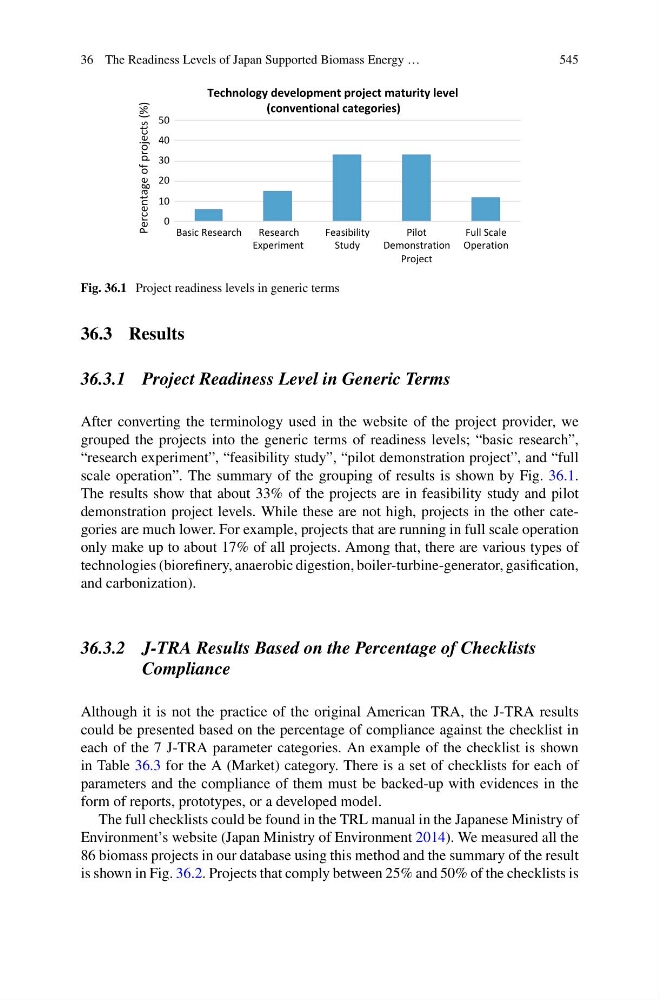
Fig. 36.1 Project readiness levels in generic terms
36.3 Results
36.3.1 Project Readiness Level in Generic Terms
After converting the terminology used in the website of the project provider, we
grouped the projects into the generic terms of readiness levels; “basic research”,
“research experiment”, “feasibility study”, “pilot demonstration project”, and “full
scale operation”. The summary of the grouping of results is shown by Fig. 36.1.
The results show that about 33% of the projects are in feasibility study and pilot
demonstration project levels. While these are not high, projects in the other categories are much lower. For example, projects that are running in full scale operation
only make up to about 17% of all projects. Among that, there are various types of
technologies (biorefinery, anaerobic digestion, boiler-turbine-generator, gasification,
and carbonization).
36.3.2 J-TRA Results Based on the Percentage of Checklists
Compliance
Although it is not the practice of the original American TRA, the J-TRA results
could be presented based on the percentage of compliance against the checklist in
each of the 7 J-TRA parameter categories. An example of the checklist is shown
in Table 36.3 for the A (Market) category. There is a set of checklists for each of
parameters and the compliance of them must be backed-up with evidences in the
form of reports, prototypes, or a developed model.
The full checklists could be found in the TRL manual in the Japanese Ministry of
Environment’s website (Japan Ministry of Environment 2014). We measured all the
86 biomass projects in our database using this method and the summary of the result
is shown in Fig. 36.2. Projects that comply between 25% and 50% of the checklists is
545
0
10
20
30
40
50
Basic Research
Research
Experiment
Feasibility
Study
Pilot
Demonstration
Project
Full Scale
Operation
Percentage of projects (%)
Technology development project maturity level
(conventional categories)
Fig. 36.1 Project readiness levels in generic terms
36.3 Results
36.3.1 Project Readiness Level in Generic Terms
After converting the terminology used in the website of the project provider, we
grouped the projects into the generic terms of readiness levels; “basic research”,
“research experiment”, “feasibility study”, “pilot demonstration project”, and “full
scale operation”. The summary of the grouping of results is shown by Fig. 36.1.
The results show that about 33% of the projects are in feasibility study and pilot
demonstration project levels. While these are not high, projects in the other categories are much lower. For example, projects that are running in full scale operation
only make up to about 17% of all projects. Among that, there are various types of
technologies (biorefinery, anaerobic digestion, boiler-turbine-generator, gasification,
and carbonization).
36.3.2 J-TRA Results Based on the Percentage of Checklists
Compliance
Although it is not the practice of the original American TRA, the J-TRA results
could be presented based on the percentage of compliance against the checklist in
each of the 7 J-TRA parameter categories. An example of the checklist is shown
in Table 36.3 for the A (Market) category. There is a set of checklists for each of
parameters and the compliance of them must be backed-up with evidences in the
form of reports, prototypes, or a developed model.
The full checklists could be found in the TRL manual in the Japanese Ministry of
Environment’s website (Japan Ministry of Environment 2014). We measured all the
86 biomass projects in our database using this method and the summary of the result
is shown in Fig. 36.2. Projects that comply between 25% and 50% of the checklists is