

sealed by a manipulator. Product parameters should be assessed (see
Note 17). The freeze-dried samples can be stored at a specific
temperature (see Note 18).
4 Notes
1. The solution pH must be optimal to minimize protein denaturation during lyophilization and to allow maximum longterm stability of the lyophilized proteins. To meet all these
requirements at the different stages, the pH of the formulation
needs to be carefully chosen. Very often, the most stable pH for
proteins in solution does not offer the best stability in solid
state. This is because the inactivation mechanisms of proteins
are different in the two different states. In such cases, a balanced pH must be used.
2. A buffering agent, such as histidine for freeze-dried FVIII SQ
that also stabilizes the protein is preferable. For pH-sensitive
proteins, sodium phosphate should be avoided because the
selective crystallization of Na 2 HPO 4 can cause a significant
pH drop during freezing, thus denaturing the protein. Instead,
potassium phosphate, citrate, histidine, or Tris, can be used,
which result in minimal pH changes during freezing. In addition, decreasing the buffer concentration can also mitigate the
pH shift.
3. Amorphous excipients (e.g., sucrose, trehalose) in a protein
formulation may inhibit crystallization of the bulking agents,
thus affecting protein stability. Therefore, proper selection of a
suitable bulking agents and its relative amount is critical.
4. Generally, the weight content of solids in the protein formulation is between 2% and 10%. When the weight fraction is less
than 2%, hard freeze-dried products cannot be obtained. When
the weight fraction is more than 10%, it is difficult to
completely dry the products, and rehydration is very difficult.
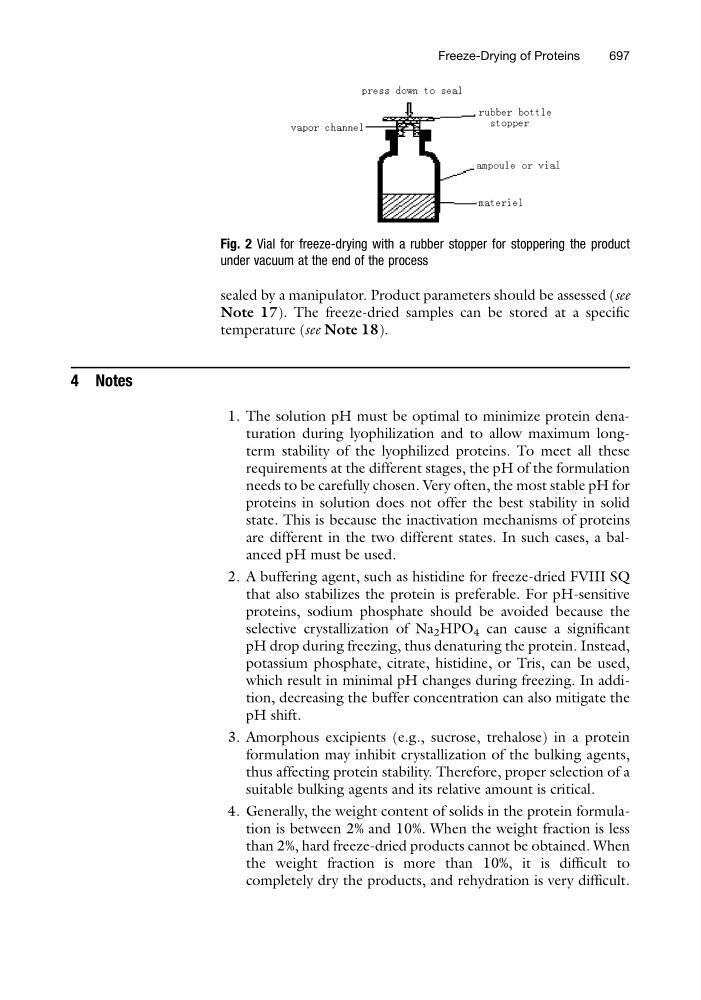
Fig. 2 Vial for freeze-drying with a rubber stopper for stoppering the product
under vacuum at the end of the process
Freeze-Drying of Proteins
697