

11.3.4.6 Candidate: Salmo salar
With an annual production of 1,244,637 t (Bilio 2008), the Atlantic salmon, Salmo
salar, is by far the most produced marine species. Although S. salar is an
anadromous species, which is spending a part of its live in freshwater (FAO 2004),
it is an excellent candidate for aquaculture in marine waters and has its highest
growth rate at salinities between 33 and 34‰. The temperature range for this
species is 6–16 °C (FAO 2004), with temperatures optimal for growth between 8
and 12 °C (Boghen 1991). Although the temperature minima and maxima of this
species can be exceeded in the surface waters of German North Sea, the Atlantic
salmon is thought to be suitable for aquaculture in the German Bight (Buck et al.
2012).
11.3.5 Various Species in One Habitat—Managing Reef
Effects
Following Krone (2012b), it is currently difficult to judge the ecological consequences associated with the introduction of the artificial reef type “wind power
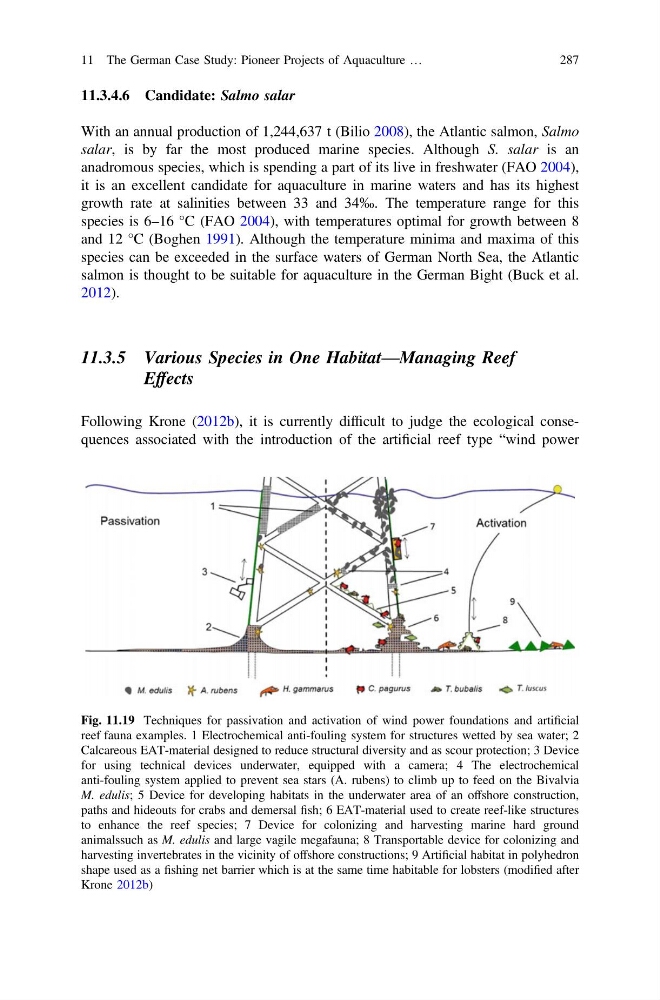
Fig. 11.19 Techniques for passivation and activation of wind power foundations and artificial
reef fauna examples. 1 Electrochemical anti-fouling system for structures wetted by sea water; 2
Calcareous EAT-material designed to reduce structural diversity and as scour protection; 3 Device
for using technical devices underwater, equipped with a camera; 4 The electrochemical
anti-fouling system applied to prevent sea stars (A. rubens) to climb up to feed on the Bivalvia
M. edulis; 5 Device for developing habitats in the underwater area of an offshore construction,
paths and hideouts for crabs and demersal fish; 6 EAT-material used to create reef-like structures
to enhance the reef species; 7 Device for colonizing and harvesting marine hard ground
animalssuch as M. edulis and large vagile megafauna; 8 Transportable device for colonizing and
harvesting invertebrates in the vicinity of offshore constructions; 9 Artificial habitat in polyhedron
shape used as a fishing net barrier which is at the same time habitable for lobsters (modified after
Krone 2012b)
11 The German Case Study: Pioneer Projects of Aquaculture …
287
With an annual production of 1,244,637 t (Bilio 2008), the Atlantic salmon, Salmo
salar, is by far the most produced marine species. Although S. salar is an
anadromous species, which is spending a part of its live in freshwater (FAO 2004),
it is an excellent candidate for aquaculture in marine waters and has its highest
growth rate at salinities between 33 and 34‰. The temperature range for this
species is 6–16 °C (FAO 2004), with temperatures optimal for growth between 8
and 12 °C (Boghen 1991). Although the temperature minima and maxima of this
species can be exceeded in the surface waters of German North Sea, the Atlantic
salmon is thought to be suitable for aquaculture in the German Bight (Buck et al.
2012).
11.3.5 Various Species in One Habitat—Managing Reef
Effects
Following Krone (2012b), it is currently difficult to judge the ecological consequences associated with the introduction of the artificial reef type “wind power
Fig. 11.19 Techniques for passivation and activation of wind power foundations and artificial
reef fauna examples. 1 Electrochemical anti-fouling system for structures wetted by sea water; 2
Calcareous EAT-material designed to reduce structural diversity and as scour protection; 3 Device
for using technical devices underwater, equipped with a camera; 4 The electrochemical
anti-fouling system applied to prevent sea stars (A. rubens) to climb up to feed on the Bivalvia
M. edulis; 5 Device for developing habitats in the underwater area of an offshore construction,
paths and hideouts for crabs and demersal fish; 6 EAT-material used to create reef-like structures
to enhance the reef species; 7 Device for colonizing and harvesting marine hard ground
animalssuch as M. edulis and large vagile megafauna; 8 Transportable device for colonizing and
harvesting invertebrates in the vicinity of offshore constructions; 9 Artificial habitat in polyhedron
shape used as a fishing net barrier which is at the same time habitable for lobsters (modified after
Krone 2012b)
11 The German Case Study: Pioneer Projects of Aquaculture …
287