

3.2 Digital Implementation
71
Channel 0
Channel 1
Channel 2
Channel 31
Serializer
Data
ready
Read
enable
Data
Mask depending on which serializer
and the number of serial links enabled
Round robin SM
Data
ready
Read
enable
Data
Data out
Serializer
Programmable list of readout order
Programmable list of readout order
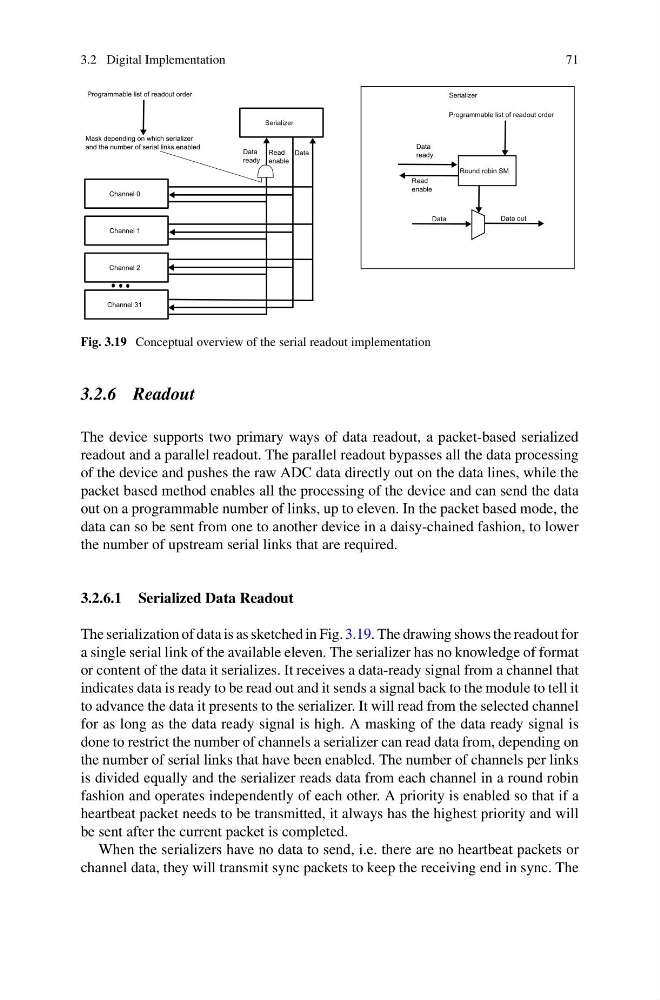
Fig. 3.19 Conceptual overview of the serial readout implementation
3.2.6 Readout
The device supports two primary ways of data readout, a packet-based serialized
readout and a parallel readout. The parallel readout bypasses all the data processing
of the device and pushes the raw ADC data directly out on the data lines, while the
packet based method enables all the processing of the device and can send the data
out on a programmable number of links, up to eleven. In the packet based mode, the
data can so be sent from one to another device in a daisy-chained fashion, to lower
the number of upstream serial links that are required.
3.2.6.1 Serialized Data Readout
The serialization of data is as sketched in Fig. 3.19. The drawing shows the readout for
a single serial link of the available eleven. The serializer has no knowledge of format
or content of the data it serializes. It receives a data-ready signal from a channel that
indicates data is ready to be read out and it sends a signal back to the module to tell it
to advance the data it presents to the serializer. It will read from the selected channel
for as long as the data ready signal is high. A masking of the data ready signal is
done to restrict the number of channels a serializer can read data from, depending on
the number of serial links that have been enabled. The number of channels per links
is divided equally and the serializer reads data from each channel in a round robin
fashion and operates independently of each other. A priority is enabled so that if a
heartbeat packet needs to be transmitted, it always has the highest priority and will
be sent after the current packet is completed.
When the serializers have no data to send, i.e. there are no heartbeat packets or
channel data, they will transmit sync packets to keep the receiving end in sync. The
71
Channel 0
Channel 1
Channel 2
Channel 31
Serializer
Data
ready
Read
enable
Data
Mask depending on which serializer
and the number of serial links enabled
Round robin SM
Data
ready
Read
enable
Data
Data out
Serializer
Programmable list of readout order
Programmable list of readout order
Fig. 3.19 Conceptual overview of the serial readout implementation
3.2.6 Readout
The device supports two primary ways of data readout, a packet-based serialized
readout and a parallel readout. The parallel readout bypasses all the data processing
of the device and pushes the raw ADC data directly out on the data lines, while the
packet based method enables all the processing of the device and can send the data
out on a programmable number of links, up to eleven. In the packet based mode, the
data can so be sent from one to another device in a daisy-chained fashion, to lower
the number of upstream serial links that are required.
3.2.6.1 Serialized Data Readout
The serialization of data is as sketched in Fig. 3.19. The drawing shows the readout for
a single serial link of the available eleven. The serializer has no knowledge of format
or content of the data it serializes. It receives a data-ready signal from a channel that
indicates data is ready to be read out and it sends a signal back to the module to tell it
to advance the data it presents to the serializer. It will read from the selected channel
for as long as the data ready signal is high. A masking of the data ready signal is
done to restrict the number of channels a serializer can read data from, depending on
the number of serial links that have been enabled. The number of channels per links
is divided equally and the serializer reads data from each channel in a round robin
fashion and operates independently of each other. A priority is enabled so that if a
heartbeat packet needs to be transmitted, it always has the highest priority and will
be sent after the current packet is completed.
When the serializers have no data to send, i.e. there are no heartbeat packets or
channel data, they will transmit sync packets to keep the receiving end in sync. The