

24
2 Technology, Risk, Precaution, and Sustainability
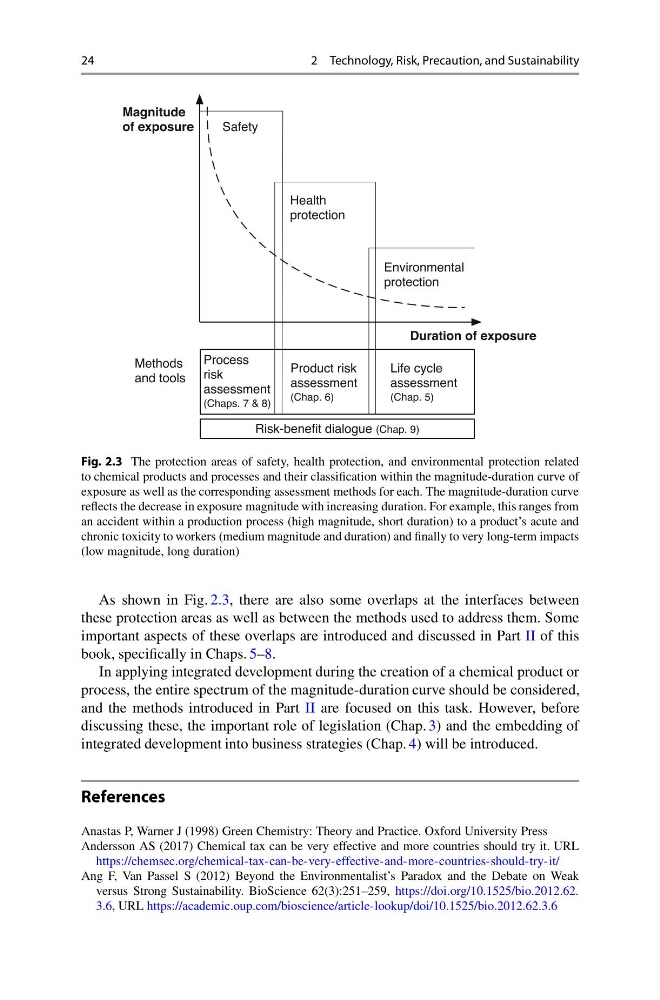
Fig. 2.3 The protection areas of safety, health protection, and environmental protection related
to chemical products and processes and their classification within the magnitude-duration curve of
exposure as well as the corresponding assessment methods for each. The magnitude-duration curve
reflects the decrease in exposure magnitude with increasing duration. For example, this ranges from
an accident within a production process (high magnitude, short duration) to a product’s acute and
chronic toxicity to workers (medium magnitude and duration) and finally to very long-term impacts
(low magnitude, long duration)
As shown in Fig. 2.3, there are also some overlaps at the interfaces between
these protection areas as well as between the methods used to address them. Some
important aspects of these overlaps are introduced and discussed in Part II of this
book, specifically in Chaps. 5–8.
In applying integrated development during the creation of a chemical product or
process, the entire spectrum of the magnitude-duration curve should be considered,
and the methods introduced in Part II are focused on this task. However, before
discussing these, the important role of legislation (Chap. 3) and the embedding of
integrated development into business strategies (Chap. 4) will be introduced.
References
Anastas P, Warner J (1998) Green Chemistry: Theory and Practice. Oxford University Press
Andersson AS (2017) Chemical tax can be very effective and more countries should try it. URL
https://chemsec.org/chemical-tax-can-be-very-effective-and-more-countries-should-try-it/
Ang F, Van Passel S (2012) Beyond the Environmentalist’s Paradox and the Debate on Weak
versus Strong Sustainability. BioScience 62(3):251–259, https://doi.org/10.1525/bio.2012.62.
3.6, URL https://academic.oup.com/bioscience/article-lookup/doi/10.1525/bio.2012.62.3.6
2 Technology, Risk, Precaution, and Sustainability
Fig. 2.3 The protection areas of safety, health protection, and environmental protection related
to chemical products and processes and their classification within the magnitude-duration curve of
exposure as well as the corresponding assessment methods for each. The magnitude-duration curve
reflects the decrease in exposure magnitude with increasing duration. For example, this ranges from
an accident within a production process (high magnitude, short duration) to a product’s acute and
chronic toxicity to workers (medium magnitude and duration) and finally to very long-term impacts
(low magnitude, long duration)
As shown in Fig. 2.3, there are also some overlaps at the interfaces between
these protection areas as well as between the methods used to address them. Some
important aspects of these overlaps are introduced and discussed in Part II of this
book, specifically in Chaps. 5–8.
In applying integrated development during the creation of a chemical product or
process, the entire spectrum of the magnitude-duration curve should be considered,
and the methods introduced in Part II are focused on this task. However, before
discussing these, the important role of legislation (Chap. 3) and the embedding of
integrated development into business strategies (Chap. 4) will be introduced.
References
Anastas P, Warner J (1998) Green Chemistry: Theory and Practice. Oxford University Press
Andersson AS (2017) Chemical tax can be very effective and more countries should try it. URL
https://chemsec.org/chemical-tax-can-be-very-effective-and-more-countries-should-try-it/
Ang F, Van Passel S (2012) Beyond the Environmentalist’s Paradox and the Debate on Weak
versus Strong Sustainability. BioScience 62(3):251–259, https://doi.org/10.1525/bio.2012.62.
3.6, URL https://academic.oup.com/bioscience/article-lookup/doi/10.1525/bio.2012.62.3.6