

63
• What level of previous knowledge (mathematics, physics, etc.) would you
consider to be necessary for undertaking studies in astrophysics?
• If only the final two years of the physics degree could be dedicated to astrophysics, which topics (obligatory and optional) should be included?
• What are the main areas of interest in astronomical research today?
I was gratified and encouraged to find that they all responded quickly in a
practical and generous way. I lost my fear of addressing my betters. I have kept
their replies as a memento. Their counsels helped us to produce a balanced
first programme of studies in astrophysics; they also aided me in preparing the
programme I used for my professorship in astrophysics.
The answers were generally direct, straightforward, and clear. They unanimously advocated a solid grounding in mathematics and physics before
embarking on astronomy. They placed more emphasis on physics and suggested leaving very advanced mathematics for special topics at doctoral level.
Basic classical astronomy, they thought, should be given at the start simply for
orientation. I also pored over programmes of study that I had obtained from
the most prestigious universities. With all this outside help and much thought,
a programme of studies was drafted for the first Spanish university course in
astrophysics, which was imparted for the first time in October 1978 at the
University of La Laguna, just a year later than we had originally planned. I
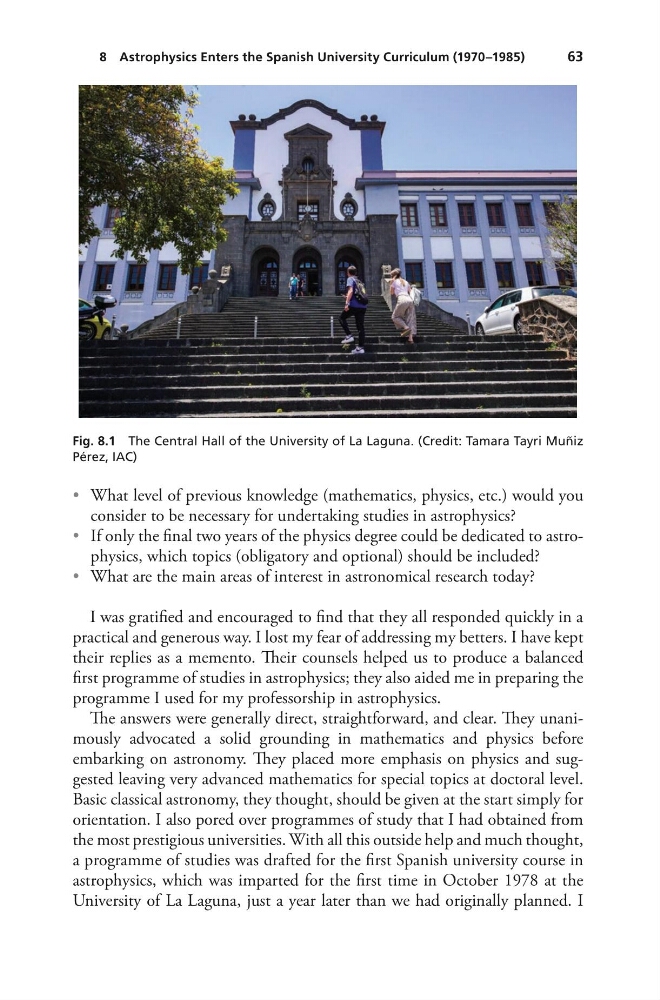
Fig. 8.1 The Central Hall of the University of La Laguna. (Credit: Tamara Tayri Muñiz
Pérez, IAC)
8 Astrophysics Enters the Spanish University Curriculum (1970–1985)
• What level of previous knowledge (mathematics, physics, etc.) would you
consider to be necessary for undertaking studies in astrophysics?
• If only the final two years of the physics degree could be dedicated to astrophysics, which topics (obligatory and optional) should be included?
• What are the main areas of interest in astronomical research today?
I was gratified and encouraged to find that they all responded quickly in a
practical and generous way. I lost my fear of addressing my betters. I have kept
their replies as a memento. Their counsels helped us to produce a balanced
first programme of studies in astrophysics; they also aided me in preparing the
programme I used for my professorship in astrophysics.
The answers were generally direct, straightforward, and clear. They unanimously advocated a solid grounding in mathematics and physics before
embarking on astronomy. They placed more emphasis on physics and suggested leaving very advanced mathematics for special topics at doctoral level.
Basic classical astronomy, they thought, should be given at the start simply for
orientation. I also pored over programmes of study that I had obtained from
the most prestigious universities. With all this outside help and much thought,
a programme of studies was drafted for the first Spanish university course in
astrophysics, which was imparted for the first time in October 1978 at the
University of La Laguna, just a year later than we had originally planned. I
Fig. 8.1 The Central Hall of the University of La Laguna. (Credit: Tamara Tayri Muñiz
Pérez, IAC)
8 Astrophysics Enters the Spanish University Curriculum (1970–1985)