

263
be within easy reach. Added to that, the Germans did not want Spanish telescopes in ‘their’ observatory.
International agreements were signed in the sixties to permit the most
advanced telescopes of the day to be set up in Spain at Izaña, Roque de los
Muchachos, Calar Alto, and Veleta. The economic boom began to be felt in
the country, as was also evidenced in research investment with the creation of
new centres and jobs.
It was also in the sixties when modern astronomy began to find a home in
Spain. The first embryonic research teams were born during these years, and
they were formed around certain figures. Here is a list of the most notable of
those pioneers in the order in which they made their appearance:
• Canary Islands: Francisco Sánchez, Juan Casanovas, Carlos Sánchez
• Granada: Eduardo Battaner, José María Quintana, Ángel Rollán,
Mariano Moles
• Barcelona: Juan José de Orús, Ramón Canal
• Madrid: Manuel Rego, María José Fernández
I have listed here only the names of the very first people to become involved,
so the numerous individuals that followed, and who made their own significant contributions to helping Spanish astrophysics occupy the position that it
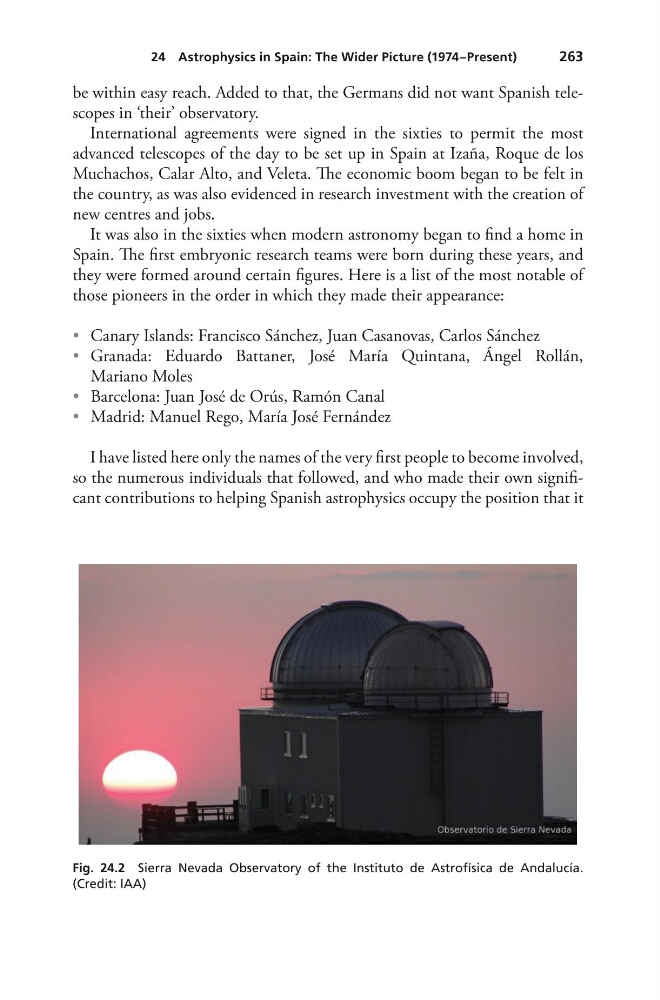
Fig. 24.2 Sierra Nevada Observatory of the Instituto de Astrofísica de Andalucía.
(Credit: IAA)
24 Astrophysics in Spain: The Wider Picture (1974–Present)
be within easy reach. Added to that, the Germans did not want Spanish telescopes in ‘their’ observatory.
International agreements were signed in the sixties to permit the most
advanced telescopes of the day to be set up in Spain at Izaña, Roque de los
Muchachos, Calar Alto, and Veleta. The economic boom began to be felt in
the country, as was also evidenced in research investment with the creation of
new centres and jobs.
It was also in the sixties when modern astronomy began to find a home in
Spain. The first embryonic research teams were born during these years, and
they were formed around certain figures. Here is a list of the most notable of
those pioneers in the order in which they made their appearance:
• Canary Islands: Francisco Sánchez, Juan Casanovas, Carlos Sánchez
• Granada: Eduardo Battaner, José María Quintana, Ángel Rollán,
Mariano Moles
• Barcelona: Juan José de Orús, Ramón Canal
• Madrid: Manuel Rego, María José Fernández
I have listed here only the names of the very first people to become involved,
so the numerous individuals that followed, and who made their own significant contributions to helping Spanish astrophysics occupy the position that it
Fig. 24.2 Sierra Nevada Observatory of the Instituto de Astrofísica de Andalucía.
(Credit: IAA)
24 Astrophysics in Spain: The Wider Picture (1974–Present)