

261
The attitude of our European colleagues was the usual one of that time. It
had been applied in Chile in the building of the European Southern
Observatory, the former colonial Royal Observatory of the Cape of Good
Hope (now the national South African Astronomical Observatory). The
owner institutions would build their own observatories, make them as selfsufficient as possible while hiring locals strictly for cleaning and auxiliary services. Overseas observatories were mere observing outposts, all the science and
technology being done in the home country.
The key to breaking with this concept in Spain was understanding that the
exceptional astronomical quality of the skies above our mountain summits
was a ‘public natural resource’ that needed to be exploited for the benefit of
our own science and technology—in other words, our country. All this is
recounted in Chaps. 6 and 10. Right from the start we were clear—from a
global, generous, and national point of view—that the astronomical skies of
the Canaries were the property of all Spaniards.
Another important step was immediately to commence training Spanish
astrophysicists with the help of our colleagues from all over the world (see
Chap. 8). Our young researchers went abroad to learn about modern
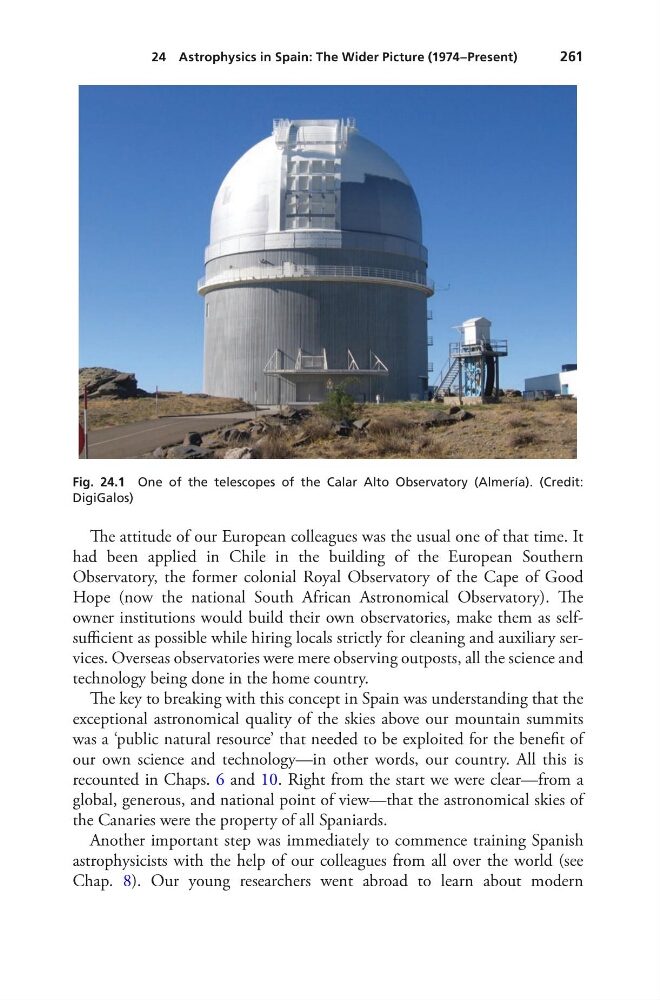
Fig. 24.1 One of the telescopes of the Calar Alto Observatory (Almería). (Credit:
DigiGalos)
24 Astrophysics in Spain: The Wider Picture (1974–Present)
The attitude of our European colleagues was the usual one of that time. It
had been applied in Chile in the building of the European Southern
Observatory, the former colonial Royal Observatory of the Cape of Good
Hope (now the national South African Astronomical Observatory). The
owner institutions would build their own observatories, make them as selfsufficient as possible while hiring locals strictly for cleaning and auxiliary services. Overseas observatories were mere observing outposts, all the science and
technology being done in the home country.
The key to breaking with this concept in Spain was understanding that the
exceptional astronomical quality of the skies above our mountain summits
was a ‘public natural resource’ that needed to be exploited for the benefit of
our own science and technology—in other words, our country. All this is
recounted in Chaps. 6 and 10. Right from the start we were clear—from a
global, generous, and national point of view—that the astronomical skies of
the Canaries were the property of all Spaniards.
Another important step was immediately to commence training Spanish
astrophysicists with the help of our colleagues from all over the world (see
Chap. 8). Our young researchers went abroad to learn about modern
Fig. 24.1 One of the telescopes of the Calar Alto Observatory (Almería). (Credit:
DigiGalos)
24 Astrophysics in Spain: The Wider Picture (1974–Present)