

225
One thing we were unable to do was meet all the set deadlines. There were
some four years of delays caused by the proactive preliminary estimates that
were quite honestly made in a spirit of optimism and eagerness to get the
GTC up and running as quickly as possible. Even so, counting from ‘first
stone’ in 2000 to first light in 2007 (these are the usual milestones in making
comparisons for this kind of project), only seven years were invested in the
construction of the GTC, about the same length of time needed for the Keck
telescopes in Hawaii and the VLT in Chile.
Then came the lean years of the economic crisis, reversals of political polarity, and party discrepancies between Madrid and the Canaries. Before the
finishing touches could be given to the telescope, the security of multi-year
budgetary commitments agreed between the central and autonomous administrations came to an end. To the technical difficulties of finishing such a
complex undertaking were added economic ones. This nightmare has had to
be endured with the greatest difficulty and continues to hamper and bog
down the proper running of the GTC, taking the edge off the telescope’s scientific competitiveness.
From 2010, the Gran Telescopio Canarias ceased to figure in the General
State Budget. In subsequent years its running, maintenance, and updating
costs have been covered by funds corresponding to the finalization of the
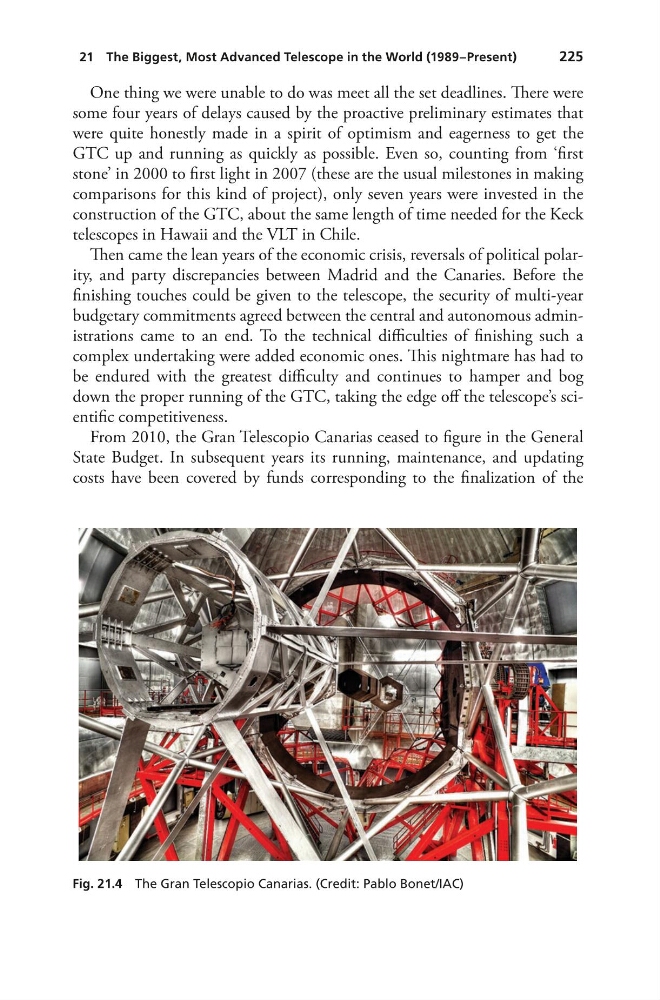
Fig. 21.4 The Gran Telescopio Canarias. (Credit: Pablo Bonet/IAC)
21 The Biggest, Most Advanced Telescope in the World (1989–Present)
One thing we were unable to do was meet all the set deadlines. There were
some four years of delays caused by the proactive preliminary estimates that
were quite honestly made in a spirit of optimism and eagerness to get the
GTC up and running as quickly as possible. Even so, counting from ‘first
stone’ in 2000 to first light in 2007 (these are the usual milestones in making
comparisons for this kind of project), only seven years were invested in the
construction of the GTC, about the same length of time needed for the Keck
telescopes in Hawaii and the VLT in Chile.
Then came the lean years of the economic crisis, reversals of political polarity, and party discrepancies between Madrid and the Canaries. Before the
finishing touches could be given to the telescope, the security of multi-year
budgetary commitments agreed between the central and autonomous administrations came to an end. To the technical difficulties of finishing such a
complex undertaking were added economic ones. This nightmare has had to
be endured with the greatest difficulty and continues to hamper and bog
down the proper running of the GTC, taking the edge off the telescope’s scientific competitiveness.
From 2010, the Gran Telescopio Canarias ceased to figure in the General
State Budget. In subsequent years its running, maintenance, and updating
costs have been covered by funds corresponding to the finalization of the
Fig. 21.4 The Gran Telescopio Canarias. (Credit: Pablo Bonet/IAC)
21 The Biggest, Most Advanced Telescope in the World (1989–Present)