

190
order to encourage them to interact with one another. We try to get discussion
flowing on the topic of the year and contacts for collaborations established.
The idea for the school evolved gradually. In 1979 we organized a School
for Young Astronomers, with patronage from UNESCO and the International
Astronomical Union. This international school went very well, and we could
see how attractive the Canaries and the Observatories might be for young
astrophysicists. The schools were also a useful way to learn and make oneself known.
At the beginning of the eighties, with the Treaty for Cooperation in
Astrophysics duly signed, the Law of Astrophysics passed, and the IAC and its
Observatories inaugurated with full pomp and circumstance, we felt able to
take on ambitious projects by ourselves. We were convinced of the importance of training astrophysicists, so we set about designing a different kind of
school that we hoped would be better than the usual fare. The key concepts were:
• Interaction between lecturers and students
• The selection each year of a theme that was currently in the limelight
• Holding the school at the beginning of December to take advantage of the
international offer of the Canaries in winter time and the low occupancy of
hotels before the Christmas holidays
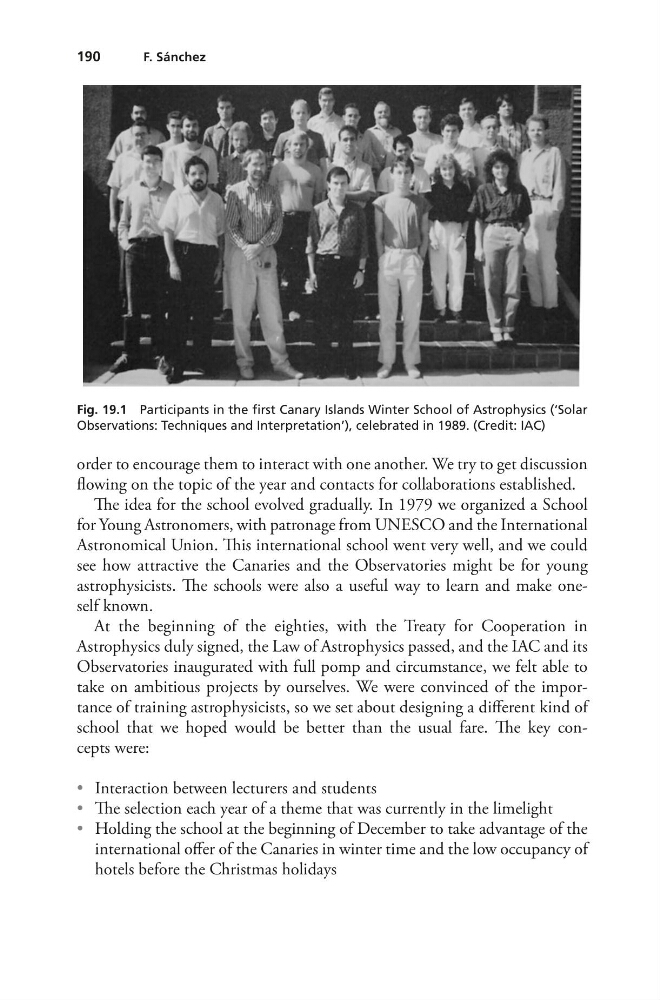
Fig. 19.1 Participants in the first Canary Islands Winter School of Astrophysics (‘Solar
Observations: Techniques and Interpretation’), celebrated in 1989. (Credit: IAC)
F. Sánchez
order to encourage them to interact with one another. We try to get discussion
flowing on the topic of the year and contacts for collaborations established.
The idea for the school evolved gradually. In 1979 we organized a School
for Young Astronomers, with patronage from UNESCO and the International
Astronomical Union. This international school went very well, and we could
see how attractive the Canaries and the Observatories might be for young
astrophysicists. The schools were also a useful way to learn and make oneself known.
At the beginning of the eighties, with the Treaty for Cooperation in
Astrophysics duly signed, the Law of Astrophysics passed, and the IAC and its
Observatories inaugurated with full pomp and circumstance, we felt able to
take on ambitious projects by ourselves. We were convinced of the importance of training astrophysicists, so we set about designing a different kind of
school that we hoped would be better than the usual fare. The key concepts were:
• Interaction between lecturers and students
• The selection each year of a theme that was currently in the limelight
• Holding the school at the beginning of December to take advantage of the
international offer of the Canaries in winter time and the low occupancy of
hotels before the Christmas holidays
Fig. 19.1 Participants in the first Canary Islands Winter School of Astrophysics (‘Solar
Observations: Techniques and Interpretation’), celebrated in 1989. (Credit: IAC)
F. Sánchez