

155
This critical spirit that I have been describing materialized in other directions. Critical comparative studies of the IAC’s publication record have been
made from time to time, and on many occasions specific internal working
groups have been tasked with reviewing the IAC’s research in comparison
with other leading centres of the world. I recall, for example, a ‘strategic
group for quality in research’ being set up in 2001. The group presented a
complete 22-page report to the Governing Council. Many of its judgements
were more critical than those issued by the various external assessment
committees.
To become world class, a research centre must be capable of attracting and
retaining the best. To attain that goal the centre must already have very good
researchers, top-class astrophysicists with an appetite for hard work. This is
beyond doubt the best magnet for talented young scientists. But in this capitalist world keeping the best is intimately linked to what we are able to pay
them. Bearing in mind the enormous disparity, in the world of football contracts are directly linked to the pay and other facilities, and tax advantages on
offer. Obviously, the IAC could never compete with the well-heeled first
league centres of research. All that remains to us are complementary incentives that are also important for a vocational research worker. In our case there
are our famed Observatories, replete with advanced instrumentation, and the
opportunity to work in an attractive international scientific environment,
together with the Canarian climate and quality of life.
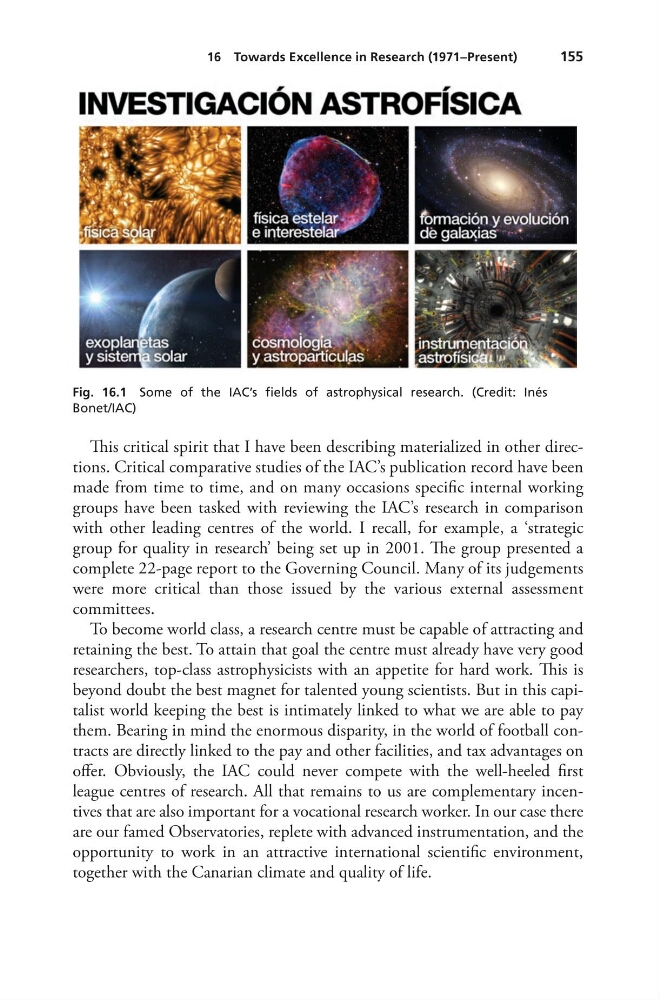
Fig. 16.1 Some of the IAC’s fields of astrophysical research. (Credit: Inés
Bonet/IAC)
16 Towards Excellence in Research (1971–Present)
This critical spirit that I have been describing materialized in other directions. Critical comparative studies of the IAC’s publication record have been
made from time to time, and on many occasions specific internal working
groups have been tasked with reviewing the IAC’s research in comparison
with other leading centres of the world. I recall, for example, a ‘strategic
group for quality in research’ being set up in 2001. The group presented a
complete 22-page report to the Governing Council. Many of its judgements
were more critical than those issued by the various external assessment
committees.
To become world class, a research centre must be capable of attracting and
retaining the best. To attain that goal the centre must already have very good
researchers, top-class astrophysicists with an appetite for hard work. This is
beyond doubt the best magnet for talented young scientists. But in this capitalist world keeping the best is intimately linked to what we are able to pay
them. Bearing in mind the enormous disparity, in the world of football contracts are directly linked to the pay and other facilities, and tax advantages on
offer. Obviously, the IAC could never compete with the well-heeled first
league centres of research. All that remains to us are complementary incentives that are also important for a vocational research worker. In our case there
are our famed Observatories, replete with advanced instrumentation, and the
opportunity to work in an attractive international scientific environment,
together with the Canarian climate and quality of life.
Fig. 16.1 Some of the IAC’s fields of astrophysical research. (Credit: Inés
Bonet/IAC)
16 Towards Excellence in Research (1971–Present)