

140
Association of Cabildos’, to which were ceded the lands for building Roque
de los Muchachos Observatory.
We could now set things in motion. We could now act to put the Canarian
skies to good use (our ultimate goal). The first step was undeniably the articulation of a genuinely international collaboration, rather than the mere cession
of lands on which foreign organizations could set up their telescopes. We were
not going to fall victim to the colonialism typical of the American and
European observatories in Chile, or the German observatory in Calar Alto in
Spain, which were colonial-style foreign enclaves. It was not enough merely
for latest-generation telescopes to arrive in the Canaries; the science done with
these telescopes had to be properly shared with Spanish scientists. The owner
institutions would also have to help us set up a Spanish research centre.
For our part, we had quickly to train home-grown scientists and technologists so that they could take their place at the telescopes from day one. The
crux of the matter was to avoid the type of scientific colonialism just mentioned and to be able to derive palpable benefits for the environment. I
described earlier how we managed to persuade those who in due course would
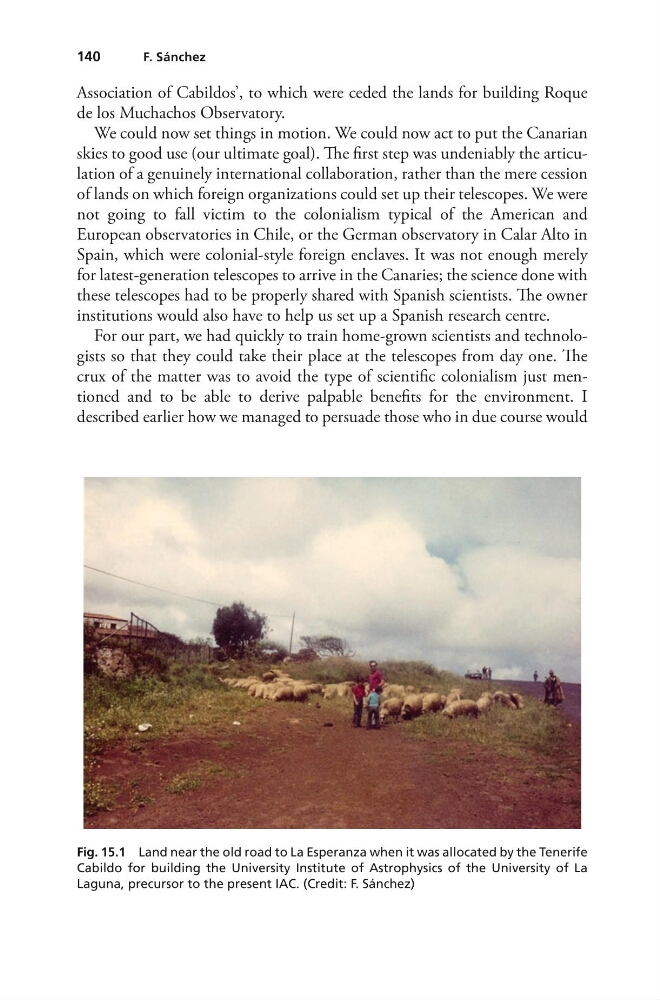
Fig. 15.1 Land near the old road to La Esperanza when it was allocated by the Tenerife
Cabildo for building the University Institute of Astrophysics of the University of La
Laguna, precursor to the present IAC. (Credit: F. Sánchez)
F. Sánchez
Association of Cabildos’, to which were ceded the lands for building Roque
de los Muchachos Observatory.
We could now set things in motion. We could now act to put the Canarian
skies to good use (our ultimate goal). The first step was undeniably the articulation of a genuinely international collaboration, rather than the mere cession
of lands on which foreign organizations could set up their telescopes. We were
not going to fall victim to the colonialism typical of the American and
European observatories in Chile, or the German observatory in Calar Alto in
Spain, which were colonial-style foreign enclaves. It was not enough merely
for latest-generation telescopes to arrive in the Canaries; the science done with
these telescopes had to be properly shared with Spanish scientists. The owner
institutions would also have to help us set up a Spanish research centre.
For our part, we had quickly to train home-grown scientists and technologists so that they could take their place at the telescopes from day one. The
crux of the matter was to avoid the type of scientific colonialism just mentioned and to be able to derive palpable benefits for the environment. I
described earlier how we managed to persuade those who in due course would
Fig. 15.1 Land near the old road to La Esperanza when it was allocated by the Tenerife
Cabildo for building the University Institute of Astrophysics of the University of La
Laguna, precursor to the present IAC. (Credit: F. Sánchez)
F. Sánchez