

94
selfish trap of campaigning for ‘Canarian astrophysics’. We negotiated these
successful cooperation agreements for the benefit of Spain’s entire astronomical community. And still today observing time on the telescopes at the IAC
Observatories is divided equally, according to the same set of rules, for all
Spanish astronomers, whether or not they are based in the Canaries.
The Treaty had an initial duration of 30 years, automatically renewable
every ten years, unless Spain should decide to communicate to the other participating countries its withdrawal from the agreement two years prior to any
of these periods. The partner countries may withdraw from the Treaty at the
end of any of these periods by communicating their intentions to the Spanish
government at least two years prior to any of these periods under the obligation of removing all their property from the Observatories.
As the thirtieth anniversary of the signing of the Treaty approached, the
Danish Director of the Nordic Telescope made moves to persuade the signatory countries to pressure Spain to renegotiate the terms of the Treaty. His aim
was to try and lower the 20+5 per cent of observing time ‘toll’ levied for access
to the Canarian skies. Why, he reasoned, should the tenants of a building not
unite to argue for lower rents? His argument was that Spanish astrophysics
now ranked among the first in Europe, for which reason it no long had need
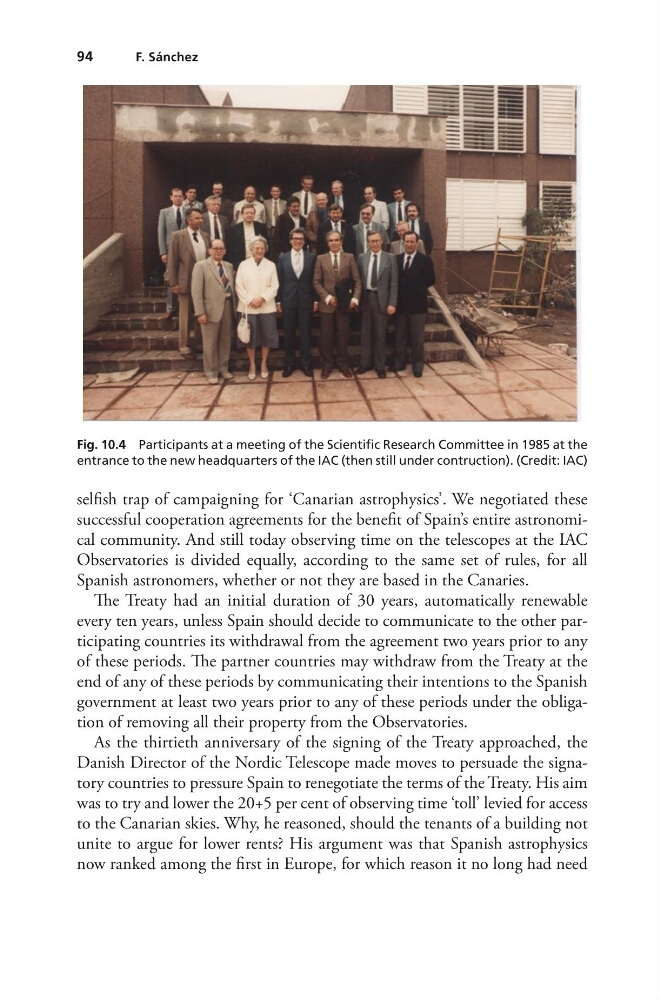
Fig. 10.4 Participants at a meeting of the Scientific Research Committee in 1985 at the
entrance to the new headquarters of the IAC (then still under contruction). (Credit: IAC)
F. Sánchez
selfish trap of campaigning for ‘Canarian astrophysics’. We negotiated these
successful cooperation agreements for the benefit of Spain’s entire astronomical community. And still today observing time on the telescopes at the IAC
Observatories is divided equally, according to the same set of rules, for all
Spanish astronomers, whether or not they are based in the Canaries.
The Treaty had an initial duration of 30 years, automatically renewable
every ten years, unless Spain should decide to communicate to the other participating countries its withdrawal from the agreement two years prior to any
of these periods. The partner countries may withdraw from the Treaty at the
end of any of these periods by communicating their intentions to the Spanish
government at least two years prior to any of these periods under the obligation of removing all their property from the Observatories.
As the thirtieth anniversary of the signing of the Treaty approached, the
Danish Director of the Nordic Telescope made moves to persuade the signatory countries to pressure Spain to renegotiate the terms of the Treaty. His aim
was to try and lower the 20+5 per cent of observing time ‘toll’ levied for access
to the Canarian skies. Why, he reasoned, should the tenants of a building not
unite to argue for lower rents? His argument was that Spanish astrophysics
now ranked among the first in Europe, for which reason it no long had need
Fig. 10.4 Participants at a meeting of the Scientific Research Committee in 1985 at the
entrance to the new headquarters of the IAC (then still under contruction). (Credit: IAC)
F. Sánchez