

6 Application of Oxygen Reduction Catalysts
237
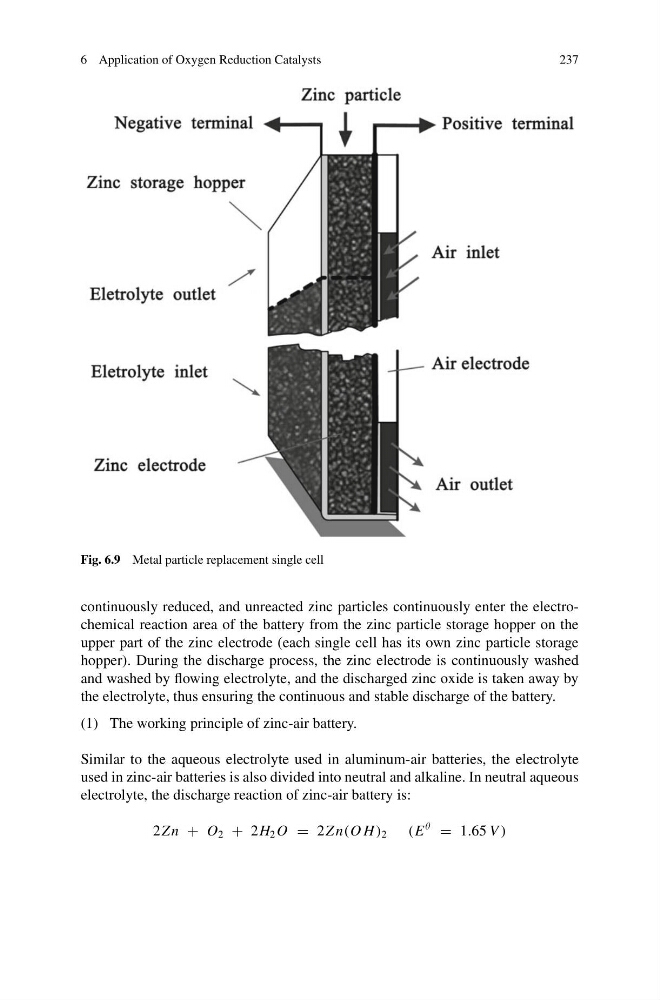
Fig. 6.9 Metal particle replacement single cell
continuously reduced, and unreacted zinc particles continuously enter the electrochemical reaction area of the battery from the zinc particle storage hopper on the
upper part of the zinc electrode (each single cell has its own zinc particle storage
hopper). During the discharge process, the zinc electrode is continuously washed
and washed by flowing electrolyte, and the discharged zinc oxide is taken away by
the electrolyte, thus ensuring the continuous and stable discharge of the battery.
(1) The working principle of zinc-air battery.
Similar to the aqueous electrolyte used in aluminum-air batteries, the electrolyte
used in zinc-air batteries is also divided into neutral and alkaline. In neutral aqueous
electrolyte, the discharge reaction of zinc-air battery is:
2Zn + O 2 + 2H 2 O = 2Zn(O H) 2 (E
θ
= 1.65 V )
237
Fig. 6.9 Metal particle replacement single cell
continuously reduced, and unreacted zinc particles continuously enter the electrochemical reaction area of the battery from the zinc particle storage hopper on the
upper part of the zinc electrode (each single cell has its own zinc particle storage
hopper). During the discharge process, the zinc electrode is continuously washed
and washed by flowing electrolyte, and the discharged zinc oxide is taken away by
the electrolyte, thus ensuring the continuous and stable discharge of the battery.
(1) The working principle of zinc-air battery.
Similar to the aqueous electrolyte used in aluminum-air batteries, the electrolyte
used in zinc-air batteries is also divided into neutral and alkaline. In neutral aqueous
electrolyte, the discharge reaction of zinc-air battery is:
2Zn + O 2 + 2H 2 O = 2Zn(O H) 2 (E
θ
= 1.65 V )