

38
his faith. As a scientist (and Jesuit), he was convinced that this faith should also have
a cognitive basis. His adherence to the new science and the essentially empirical
epistemology that it demanded made him skeptical of the demonstrative potential of
the old metaphysics; this is the basis of his polemics against the Neo-Thomists.
Thus, his defense of the congruence of the Christian vision with the progress of
knowledge could be based only on a natural theology whose assumptions he saw
being eroded by evolutionism: hence the nonacademic but personal tone of his reaction against it. In this sense, which is extremely general but still significant, it seems
fair to say that he continued in the particular rationalism that had been imprinted on
the Jesuit culture since Loyola (Figs. 2.1, 2.2, and 2.3).
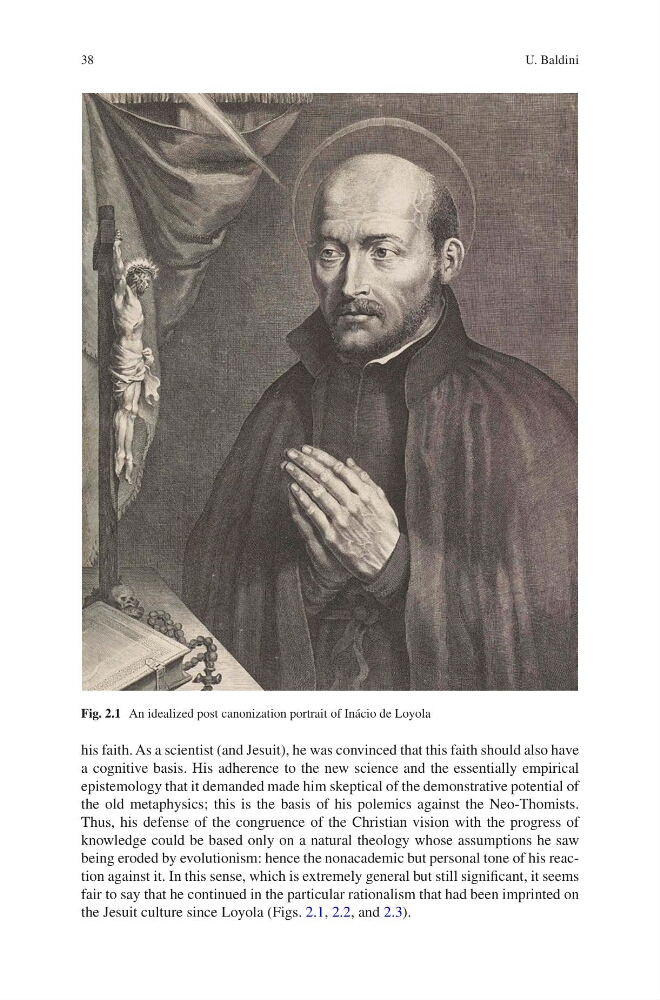
Fig. 2.1 An idealized post canonization portrait of Inácio de Loyola
U. Baldini
his faith. As a scientist (and Jesuit), he was convinced that this faith should also have
a cognitive basis. His adherence to the new science and the essentially empirical
epistemology that it demanded made him skeptical of the demonstrative potential of
the old metaphysics; this is the basis of his polemics against the Neo-Thomists.
Thus, his defense of the congruence of the Christian vision with the progress of
knowledge could be based only on a natural theology whose assumptions he saw
being eroded by evolutionism: hence the nonacademic but personal tone of his reaction against it. In this sense, which is extremely general but still significant, it seems
fair to say that he continued in the particular rationalism that had been imprinted on
the Jesuit culture since Loyola (Figs. 2.1, 2.2, and 2.3).
Fig. 2.1 An idealized post canonization portrait of Inácio de Loyola
U. Baldini