

32
S. K. Das et al.
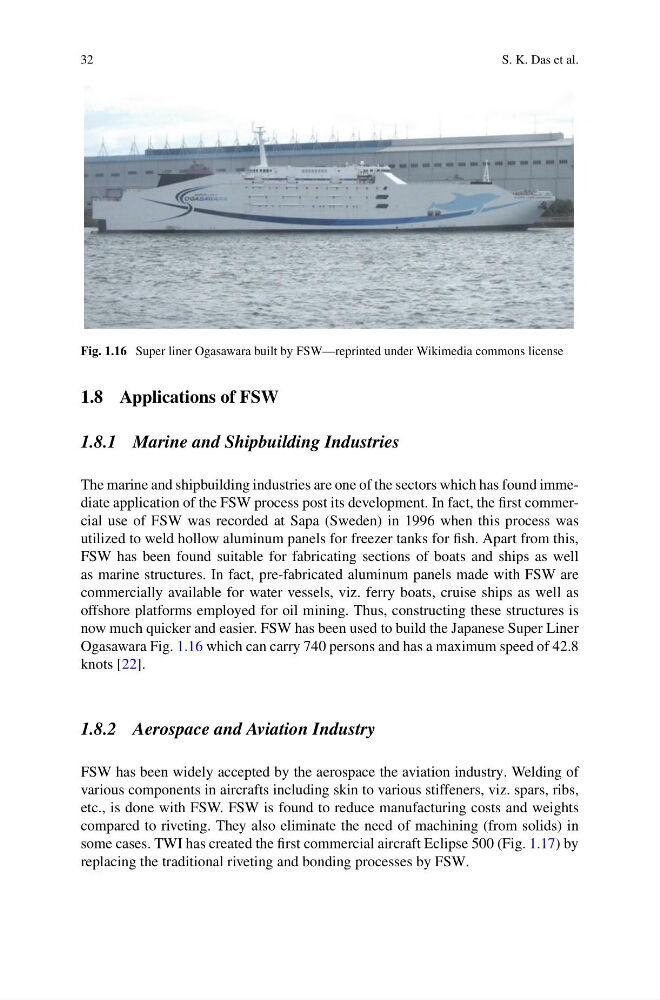
Fig. 1.16 Super liner Ogasawara built by FSW—reprinted under Wikimedia commons license
1.8 Applications of FSW
1.8.1 Marine and Shipbuilding Industries
The marine and shipbuilding industries are one of the sectors which has found immediate application of the FSW process post its development. In fact, the first commercial use of FSW was recorded at Sapa (Sweden) in 1996 when this process was
utilized to weld hollow aluminum panels for freezer tanks for fish. Apart from this,
FSW has been found suitable for fabricating sections of boats and ships as well
as marine structures. In fact, pre-fabricated aluminum panels made with FSW are
commercially available for water vessels, viz. ferry boats, cruise ships as well as
offshore platforms employed for oil mining. Thus, constructing these structures is
now much quicker and easier. FSW has been used to build the Japanese Super Liner
Ogasawara Fig. 1.16 which can carry 740 persons and has a maximum speed of 42.8
knots [22].
1.8.2 Aerospace and Aviation Industry
FSW has been widely accepted by the aerospace the aviation industry. Welding of
various components in aircrafts including skin to various stiffeners, viz. spars, ribs,
etc., is done with FSW. FSW is found to reduce manufacturing costs and weights
compared to riveting. They also eliminate the need of machining (from solids) in
some cases. TWI has created the first commercial aircraft Eclipse 500 (Fig. 1.17) by
replacing the traditional riveting and bonding processes by FSW.
S. K. Das et al.
Fig. 1.16 Super liner Ogasawara built by FSW—reprinted under Wikimedia commons license
1.8 Applications of FSW
1.8.1 Marine and Shipbuilding Industries
The marine and shipbuilding industries are one of the sectors which has found immediate application of the FSW process post its development. In fact, the first commercial use of FSW was recorded at Sapa (Sweden) in 1996 when this process was
utilized to weld hollow aluminum panels for freezer tanks for fish. Apart from this,
FSW has been found suitable for fabricating sections of boats and ships as well
as marine structures. In fact, pre-fabricated aluminum panels made with FSW are
commercially available for water vessels, viz. ferry boats, cruise ships as well as
offshore platforms employed for oil mining. Thus, constructing these structures is
now much quicker and easier. FSW has been used to build the Japanese Super Liner
Ogasawara Fig. 1.16 which can carry 740 persons and has a maximum speed of 42.8
knots [22].
1.8.2 Aerospace and Aviation Industry
FSW has been widely accepted by the aerospace the aviation industry. Welding of
various components in aircrafts including skin to various stiffeners, viz. spars, ribs,
etc., is done with FSW. FSW is found to reduce manufacturing costs and weights
compared to riveting. They also eliminate the need of machining (from solids) in
some cases. TWI has created the first commercial aircraft Eclipse 500 (Fig. 1.17) by
replacing the traditional riveting and bonding processes by FSW.