

1 Friction Stir Welding
29
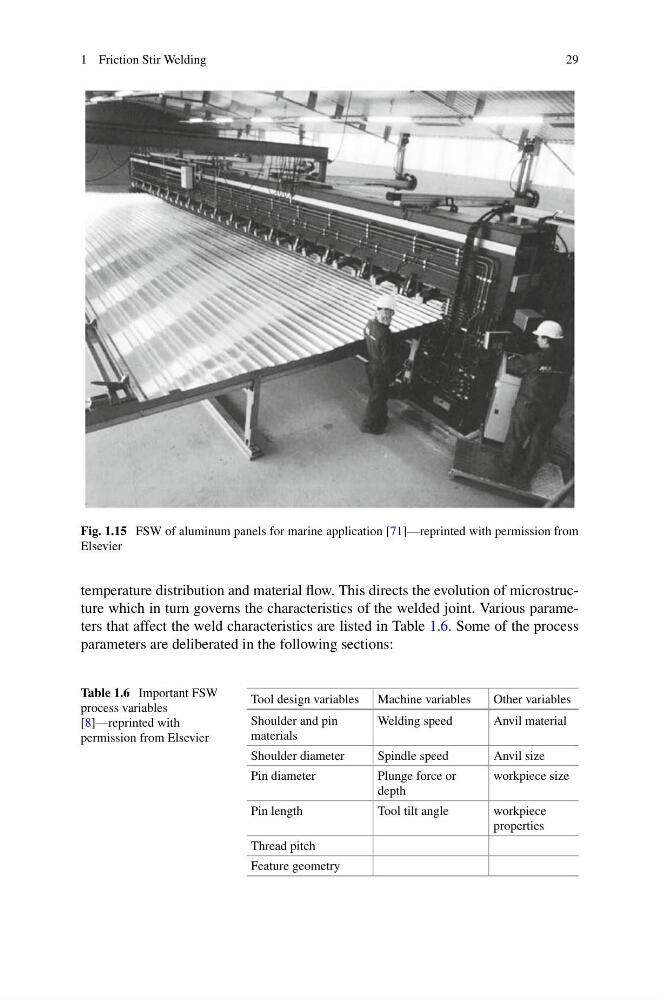
Fig. 1.15 FSW of aluminum panels for marine application [71]—reprinted with permission from
Elsevier
temperature distribution and material flow. This directs the evolution of microstructure which in turn governs the characteristics of the welded joint. Various parameters that affect the weld characteristics are listed in Table 1.6. Some of the process
parameters are deliberated in the following sections:
Table 1.6 Important FSW
process variables
[8]—reprinted with
permission from Elsevier
Tool design variables Machine variables
Other variables
Shoulder and pin
materials
Welding speed
Anvil material
Shoulder diameter
Spindle speed
Anvil size
Pin diameter
Plunge force or
depth
workpiece size
Pin length
Tool tilt angle
workpiece
properties
Thread pitch
Feature geometry
29
Fig. 1.15 FSW of aluminum panels for marine application [71]—reprinted with permission from
Elsevier
temperature distribution and material flow. This directs the evolution of microstructure which in turn governs the characteristics of the welded joint. Various parameters that affect the weld characteristics are listed in Table 1.6. Some of the process
parameters are deliberated in the following sections:
Table 1.6 Important FSW
process variables
[8]—reprinted with
permission from Elsevier
Tool design variables Machine variables
Other variables
Shoulder and pin
materials
Welding speed
Anvil material
Shoulder diameter
Spindle speed
Anvil size
Pin diameter
Plunge force or
depth
workpiece size
Pin length
Tool tilt angle
workpiece
properties
Thread pitch
Feature geometry