

4 An Application from a Defect—A Friction …
137
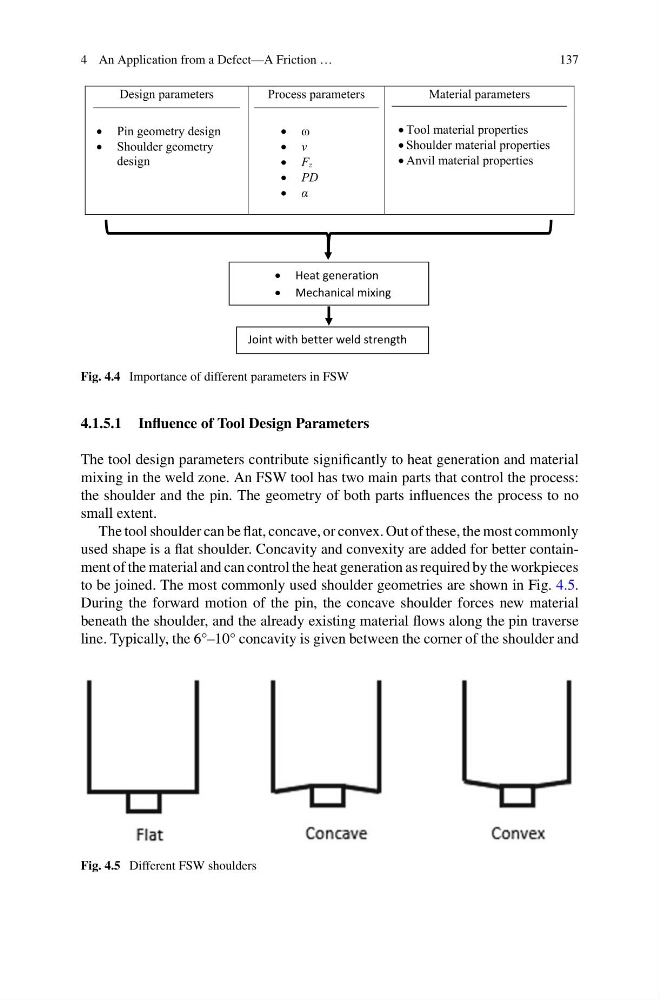
Fig. 4.4 Importance of different parameters in FSW
4.1.5.1 Influence of Tool Design Parameters
The tool design parameters contribute significantly to heat generation and material
mixing in the weld zone. An FSW tool has two main parts that control the process:
the shoulder and the pin. The geometry of both parts influences the process to no
small extent.
The tool shoulder can be flat, concave, or convex. Out of these, the most commonly
used shape is a flat shoulder. Concavity and convexity are added for better containment of the material and can control the heat generation as required by the workpieces
to be joined. The most commonly used shoulder geometries are shown in Fig. 4.5.
During the forward motion of the pin, the concave shoulder forces new material
beneath the shoulder, and the already existing material flows along the pin traverse
line. Typically, the 6°–10° concavity is given between the corner of the shoulder and
Fig. 4.5 Different FSW shoulders
137
Fig. 4.4 Importance of different parameters in FSW
4.1.5.1 Influence of Tool Design Parameters
The tool design parameters contribute significantly to heat generation and material
mixing in the weld zone. An FSW tool has two main parts that control the process:
the shoulder and the pin. The geometry of both parts influences the process to no
small extent.
The tool shoulder can be flat, concave, or convex. Out of these, the most commonly
used shape is a flat shoulder. Concavity and convexity are added for better containment of the material and can control the heat generation as required by the workpieces
to be joined. The most commonly used shoulder geometries are shown in Fig. 4.5.
During the forward motion of the pin, the concave shoulder forces new material
beneath the shoulder, and the already existing material flows along the pin traverse
line. Typically, the 6°–10° concavity is given between the corner of the shoulder and
Fig. 4.5 Different FSW shoulders