

8
1 Chemicals in the Food and Beverage Industry: An Introduction
Dangerous
chemical
agents
Carcinogenic,
mutagenic,
reprotoxic
agents
(CMR)
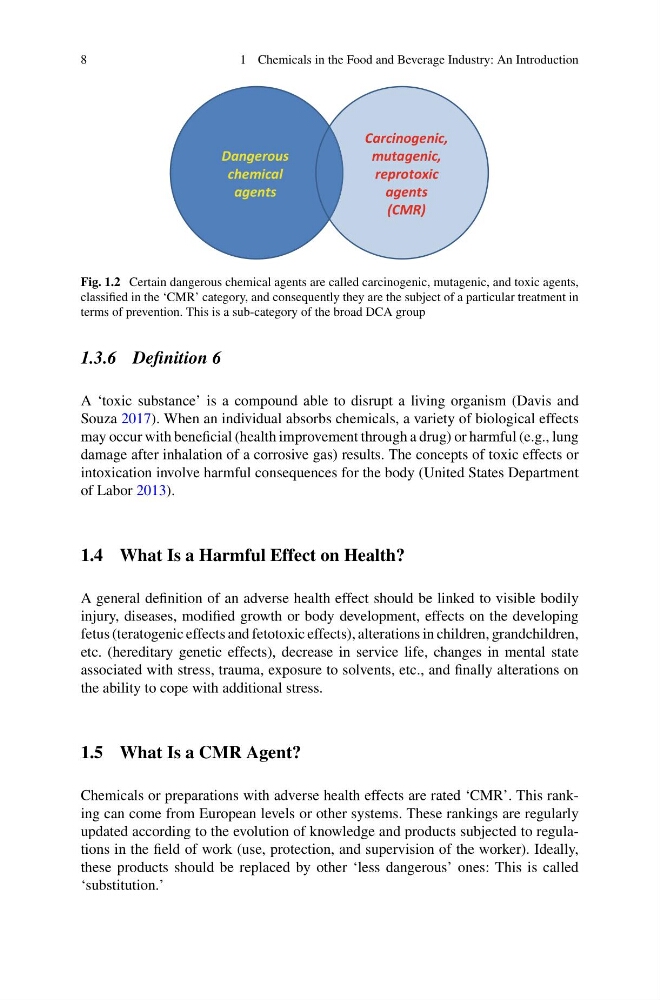
Fig. 1.2 Certain dangerous chemical agents are called carcinogenic, mutagenic, and toxic agents,
classified in the ‘CMR’ category, and consequently they are the subject of a particular treatment in
terms of prevention. This is a sub-category of the broad DCA group
1.3.6 Definition 6
A ‘toxic substance’ is a compound able to disrupt a living organism (Davis and
Souza 2017). When an individual absorbs chemicals, a variety of biological effects
may occur with beneficial (health improvement through a drug) or harmful (e.g., lung
damage after inhalation of a corrosive gas) results. The concepts of toxic effects or
intoxication involve harmful consequences for the body (United States Department
of Labor 2013).
1.4 What Is a Harmful Effect on Health?
A general definition of an adverse health effect should be linked to visible bodily
injury, diseases, modified growth or body development, effects on the developing
fetus (teratogenic effects and fetotoxic effects), alterations in children, grandchildren,
etc. (hereditary genetic effects), decrease in service life, changes in mental state
associated with stress, trauma, exposure to solvents, etc., and finally alterations on
the ability to cope with additional stress.
1.5 What Is a CMR Agent?
Chemicals or preparations with adverse health effects are rated ‘CMR’. This ranking can come from European levels or other systems. These rankings are regularly
updated according to the evolution of knowledge and products subjected to regulations in the field of work (use, protection, and supervision of the worker). Ideally,
these products should be replaced by other ‘less dangerous’ ones: This is called
‘substitution.’
1 Chemicals in the Food and Beverage Industry: An Introduction
Dangerous
chemical
agents
Carcinogenic,
mutagenic,
reprotoxic
agents
(CMR)
Fig. 1.2 Certain dangerous chemical agents are called carcinogenic, mutagenic, and toxic agents,
classified in the ‘CMR’ category, and consequently they are the subject of a particular treatment in
terms of prevention. This is a sub-category of the broad DCA group
1.3.6 Definition 6
A ‘toxic substance’ is a compound able to disrupt a living organism (Davis and
Souza 2017). When an individual absorbs chemicals, a variety of biological effects
may occur with beneficial (health improvement through a drug) or harmful (e.g., lung
damage after inhalation of a corrosive gas) results. The concepts of toxic effects or
intoxication involve harmful consequences for the body (United States Department
of Labor 2013).
1.4 What Is a Harmful Effect on Health?
A general definition of an adverse health effect should be linked to visible bodily
injury, diseases, modified growth or body development, effects on the developing
fetus (teratogenic effects and fetotoxic effects), alterations in children, grandchildren,
etc. (hereditary genetic effects), decrease in service life, changes in mental state
associated with stress, trauma, exposure to solvents, etc., and finally alterations on
the ability to cope with additional stress.
1.5 What Is a CMR Agent?
Chemicals or preparations with adverse health effects are rated ‘CMR’. This ranking can come from European levels or other systems. These rankings are regularly
updated according to the evolution of knowledge and products subjected to regulations in the field of work (use, protection, and supervision of the worker). Ideally,
these products should be replaced by other ‘less dangerous’ ones: This is called
‘substitution.’