

8.2 Planning
105
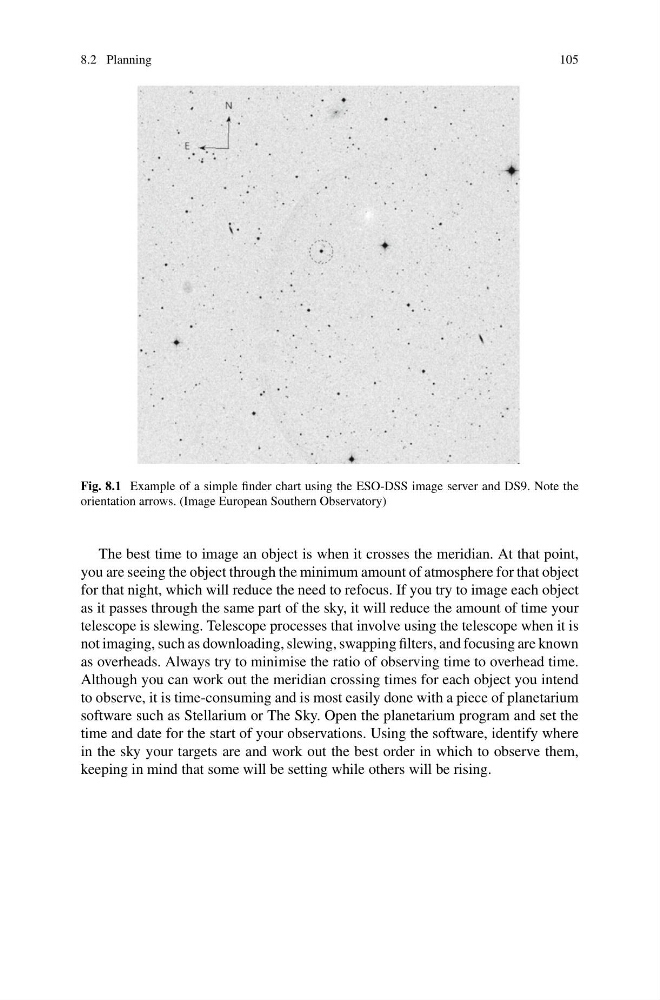
Fig. 8.1 Example of a simple finder chart using the ESO-DSS image server and DS9. Note the
orientation arrows. (Image European Southern Observatory)
The best time to image an object is when it crosses the meridian. At that point,
you are seeing the object through the minimum amount of atmosphere for that object
for that night, which will reduce the need to refocus. If you try to image each object
as it passes through the same part of the sky, it will reduce the amount of time your
telescope is slewing. Telescope processes that involve using the telescope when it is
not imaging, such as downloading, slewing, swapping filters, and focusing are known
as overheads. Always try to minimise the ratio of observing time to overhead time.
Although you can work out the meridian crossing times for each object you intend
to observe, it is time-consuming and is most easily done with a piece of planetarium
software such as Stellarium or The Sky. Open the planetarium program and set the
time and date for the start of your observations. Using the software, identify where
in the sky your targets are and work out the best order in which to observe them,
keeping in mind that some will be setting while others will be rising.
105
Fig. 8.1 Example of a simple finder chart using the ESO-DSS image server and DS9. Note the
orientation arrows. (Image European Southern Observatory)
The best time to image an object is when it crosses the meridian. At that point,
you are seeing the object through the minimum amount of atmosphere for that object
for that night, which will reduce the need to refocus. If you try to image each object
as it passes through the same part of the sky, it will reduce the amount of time your
telescope is slewing. Telescope processes that involve using the telescope when it is
not imaging, such as downloading, slewing, swapping filters, and focusing are known
as overheads. Always try to minimise the ratio of observing time to overhead time.
Although you can work out the meridian crossing times for each object you intend
to observe, it is time-consuming and is most easily done with a piece of planetarium
software such as Stellarium or The Sky. Open the planetarium program and set the
time and date for the start of your observations. Using the software, identify where
in the sky your targets are and work out the best order in which to observe them,
keeping in mind that some will be setting while others will be rising.