

286
14 Prospects and Challenges for Aerodynamics
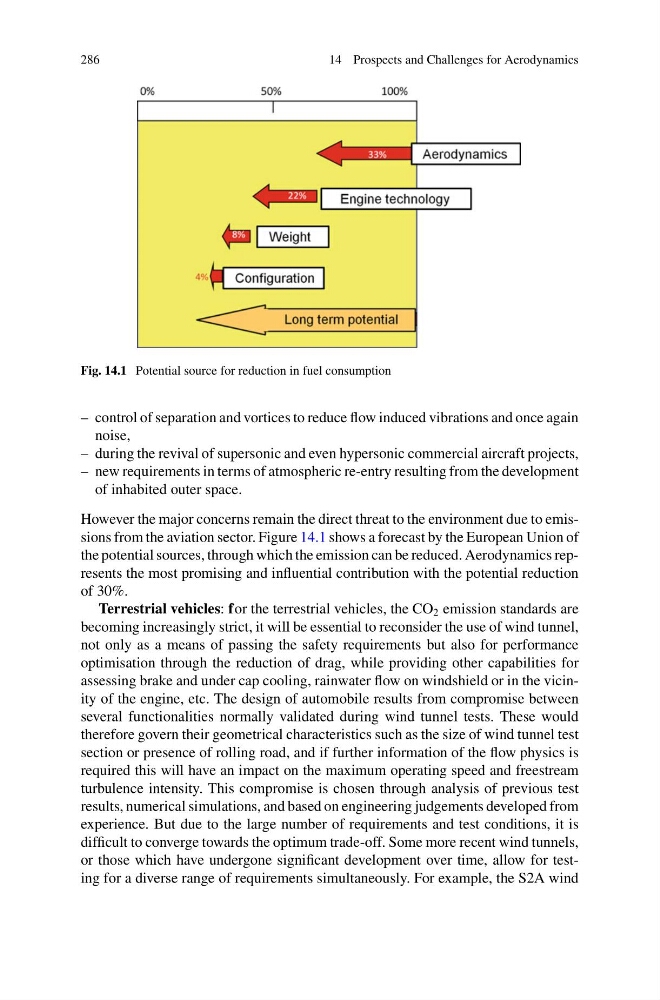
Fig. 14.1 Potential source for reduction in fuel consumption
– control of separation and vortices to reduce flow induced vibrations and once again
noise,
– during the revival of supersonic and even hypersonic commercial aircraft projects,
– new requirements in terms of atmospheric re-entry resulting from the development
of inhabited outer space.
However the major concerns remain the direct threat to the environment due to emissions from the aviation sector. Figure 14.1 shows a forecast by the European Union of
the potential sources, through which the emission can be reduced. Aerodynamics represents the most promising and influential contribution with the potential reduction
of 30%.
Terrestrial vehicles: for the terrestrial vehicles, the CO 2 emission standards are
becoming increasingly strict, it will be essential to reconsider the use of wind tunnel,
not only as a means of passing the safety requirements but also for performance
optimisation through the reduction of drag, while providing other capabilities for
assessing brake and under cap cooling, rainwater flow on windshield or in the vicinity of the engine, etc. The design of automobile results from compromise between
several functionalities normally validated during wind tunnel tests. These would
therefore govern their geometrical characteristics such as the size of wind tunnel test
section or presence of rolling road, and if further information of the flow physics is
required this will have an impact on the maximum operating speed and freestream
turbulence intensity. This compromise is chosen through analysis of previous test
results, numerical simulations, and based on engineering judgements developed from
experience. But due to the large number of requirements and test conditions, it is
difficult to converge towards the optimum trade-off. Some more recent wind tunnels,
or those which have undergone significant development over time, allow for testing for a diverse range of requirements simultaneously. For example, the S2A wind
14 Prospects and Challenges for Aerodynamics
Fig. 14.1 Potential source for reduction in fuel consumption
– control of separation and vortices to reduce flow induced vibrations and once again
noise,
– during the revival of supersonic and even hypersonic commercial aircraft projects,
– new requirements in terms of atmospheric re-entry resulting from the development
of inhabited outer space.
However the major concerns remain the direct threat to the environment due to emissions from the aviation sector. Figure 14.1 shows a forecast by the European Union of
the potential sources, through which the emission can be reduced. Aerodynamics represents the most promising and influential contribution with the potential reduction
of 30%.
Terrestrial vehicles: for the terrestrial vehicles, the CO 2 emission standards are
becoming increasingly strict, it will be essential to reconsider the use of wind tunnel,
not only as a means of passing the safety requirements but also for performance
optimisation through the reduction of drag, while providing other capabilities for
assessing brake and under cap cooling, rainwater flow on windshield or in the vicinity of the engine, etc. The design of automobile results from compromise between
several functionalities normally validated during wind tunnel tests. These would
therefore govern their geometrical characteristics such as the size of wind tunnel test
section or presence of rolling road, and if further information of the flow physics is
required this will have an impact on the maximum operating speed and freestream
turbulence intensity. This compromise is chosen through analysis of previous test
results, numerical simulations, and based on engineering judgements developed from
experience. But due to the large number of requirements and test conditions, it is
difficult to converge towards the optimum trade-off. Some more recent wind tunnels,
or those which have undergone significant development over time, allow for testing for a diverse range of requirements simultaneously. For example, the S2A wind