

7 Technologies for Conversion Bio-Lubricant …
183
vulnerable site A double bond B allyl carbon C triglyceride structure
A
B
C
CH 2 O C
O
CH 2 CH 2 CH 2 CH 2 CH 2 CH 2 CH 2 CH CH CH 2 CH CH CH 2 CH 2 CH 2 CH 2 CH 3
CH O C
O
CH 2 CH 2 CH 2 CH 2 CH 2 CH 2 CH 2 CH CH CH 2 CH CH CH CH CH 2 CH 2 CH 3
CH 2 O C
O
CH 2 CH 2 CH 2 CH 2 CH 2 CH 2 CH 2 CH CH CH 2 CH 2 CH 2 CH 2 CH 2 CH 2 CH 2 CH 3
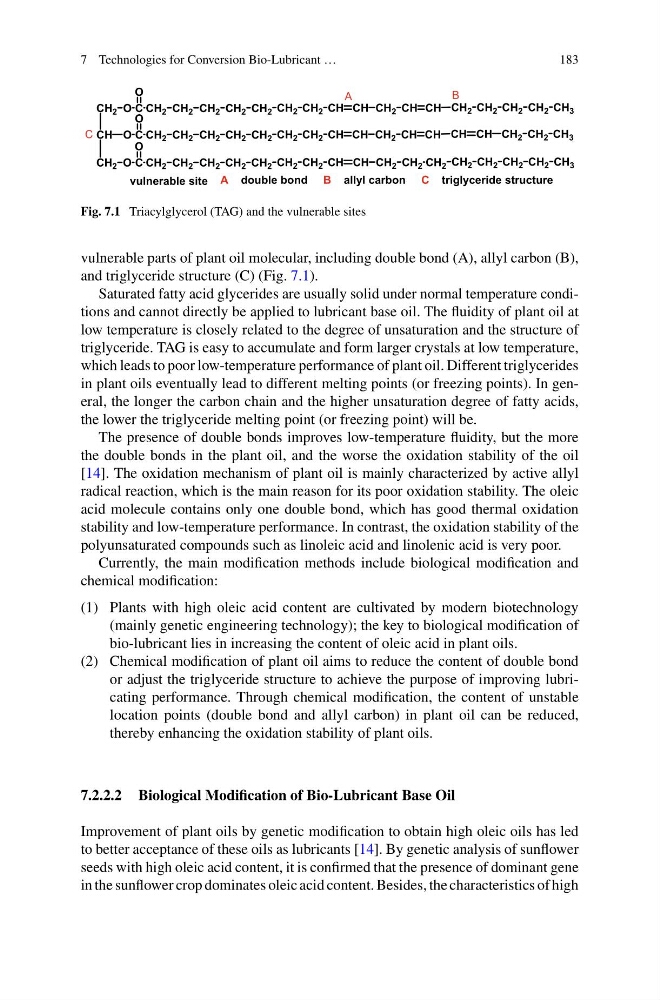
Fig. 7.1 Triacylglycerol (TAG) and the vulnerable sites
vulnerable parts of plant oil molecular, including double bond (A), allyl carbon (B),
and triglyceride structure (C) (Fig. 7.1).
Saturated fatty acid glycerides are usually solid under normal temperature conditions and cannot directly be applied to lubricant base oil. The fluidity of plant oil at
low temperature is closely related to the degree of unsaturation and the structure of
triglyceride. TAG is easy to accumulate and form larger crystals at low temperature,
which leads to poor low-temperature performance of plant oil. Different triglycerides
in plant oils eventually lead to different melting points (or freezing points). In general, the longer the carbon chain and the higher unsaturation degree of fatty acids,
the lower the triglyceride melting point (or freezing point) will be.
The presence of double bonds improves low-temperature fluidity, but the more
the double bonds in the plant oil, and the worse the oxidation stability of the oil
[14]. The oxidation mechanism of plant oil is mainly characterized by active allyl
radical reaction, which is the main reason for its poor oxidation stability. The oleic
acid molecule contains only one double bond, which has good thermal oxidation
stability and low-temperature performance. In contrast, the oxidation stability of the
polyunsaturated compounds such as linoleic acid and linolenic acid is very poor.
Currently, the main modification methods include biological modification and
chemical modification:
(1) Plants with high oleic acid content are cultivated by modern biotechnology
(mainly genetic engineering technology); the key to biological modification of
bio-lubricant lies in increasing the content of oleic acid in plant oils.
(2) Chemical modification of plant oil aims to reduce the content of double bond
or adjust the triglyceride structure to achieve the purpose of improving lubricating performance. Through chemical modification, the content of unstable
location points (double bond and allyl carbon) in plant oil can be reduced,
thereby enhancing the oxidation stability of plant oils.
7.2.2.2 Biological Modification of Bio-Lubricant Base Oil
Improvement of plant oils by genetic modification to obtain high oleic oils has led
to better acceptance of these oils as lubricants [14]. By genetic analysis of sunflower
seeds with high oleic acid content, it is confirmed that the presence of dominant gene
in the sunflower crop dominates oleic acid content. Besides, the characteristics of high
183
vulnerable site A double bond B allyl carbon C triglyceride structure
A
B
C
CH 2 O C
O
CH 2 CH 2 CH 2 CH 2 CH 2 CH 2 CH 2 CH CH CH 2 CH CH CH 2 CH 2 CH 2 CH 2 CH 3
CH O C
O
CH 2 CH 2 CH 2 CH 2 CH 2 CH 2 CH 2 CH CH CH 2 CH CH CH CH CH 2 CH 2 CH 3
CH 2 O C
O
CH 2 CH 2 CH 2 CH 2 CH 2 CH 2 CH 2 CH CH CH 2 CH 2 CH 2 CH 2 CH 2 CH 2 CH 2 CH 3
Fig. 7.1 Triacylglycerol (TAG) and the vulnerable sites
vulnerable parts of plant oil molecular, including double bond (A), allyl carbon (B),
and triglyceride structure (C) (Fig. 7.1).
Saturated fatty acid glycerides are usually solid under normal temperature conditions and cannot directly be applied to lubricant base oil. The fluidity of plant oil at
low temperature is closely related to the degree of unsaturation and the structure of
triglyceride. TAG is easy to accumulate and form larger crystals at low temperature,
which leads to poor low-temperature performance of plant oil. Different triglycerides
in plant oils eventually lead to different melting points (or freezing points). In general, the longer the carbon chain and the higher unsaturation degree of fatty acids,
the lower the triglyceride melting point (or freezing point) will be.
The presence of double bonds improves low-temperature fluidity, but the more
the double bonds in the plant oil, and the worse the oxidation stability of the oil
[14]. The oxidation mechanism of plant oil is mainly characterized by active allyl
radical reaction, which is the main reason for its poor oxidation stability. The oleic
acid molecule contains only one double bond, which has good thermal oxidation
stability and low-temperature performance. In contrast, the oxidation stability of the
polyunsaturated compounds such as linoleic acid and linolenic acid is very poor.
Currently, the main modification methods include biological modification and
chemical modification:
(1) Plants with high oleic acid content are cultivated by modern biotechnology
(mainly genetic engineering technology); the key to biological modification of
bio-lubricant lies in increasing the content of oleic acid in plant oils.
(2) Chemical modification of plant oil aims to reduce the content of double bond
or adjust the triglyceride structure to achieve the purpose of improving lubricating performance. Through chemical modification, the content of unstable
location points (double bond and allyl carbon) in plant oil can be reduced,
thereby enhancing the oxidation stability of plant oils.
7.2.2.2 Biological Modification of Bio-Lubricant Base Oil
Improvement of plant oils by genetic modification to obtain high oleic oils has led
to better acceptance of these oils as lubricants [14]. By genetic analysis of sunflower
seeds with high oleic acid content, it is confirmed that the presence of dominant gene
in the sunflower crop dominates oleic acid content. Besides, the characteristics of high