

6.3 Basics of Reverse-Engineering Art
541
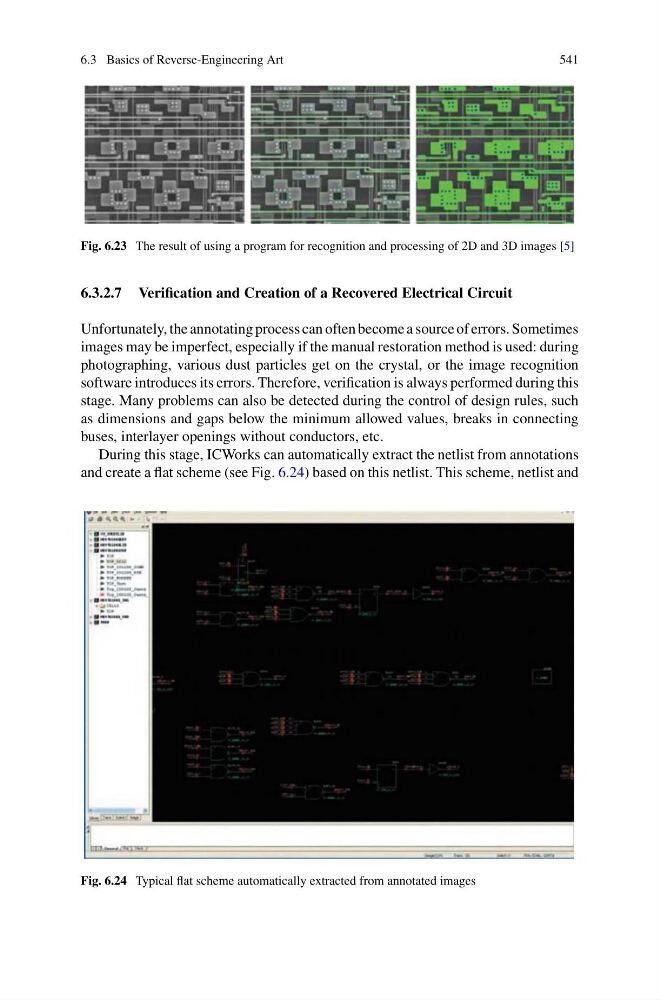
Fig. 6.23 The result of using a program for recognition and processing of 2D and 3D images [5]
6.3.2.7 Verification and Creation of a Recovered Electrical Circuit
Unfortunately, the annotating process can often become a source of errors. Sometimes
images may be imperfect, especially if the manual restoration method is used: during
photographing, various dust particles get on the crystal, or the image recognition
software introduces its errors. Therefore, verification is always performed during this
stage. Many problems can also be detected during the control of design rules, such
as dimensions and gaps below the minimum allowed values, breaks in connecting
buses, interlayer openings without conductors, etc.
During this stage, ICWorks can automatically extract the netlist from annotations
and create a flat scheme (see Fig. 6.24) based on this netlist. This scheme, netlist and
Fig. 6.24 Typical flat scheme automatically extracted from annotated images
541
Fig. 6.23 The result of using a program for recognition and processing of 2D and 3D images [5]
6.3.2.7 Verification and Creation of a Recovered Electrical Circuit
Unfortunately, the annotating process can often become a source of errors. Sometimes
images may be imperfect, especially if the manual restoration method is used: during
photographing, various dust particles get on the crystal, or the image recognition
software introduces its errors. Therefore, verification is always performed during this
stage. Many problems can also be detected during the control of design rules, such
as dimensions and gaps below the minimum allowed values, breaks in connecting
buses, interlayer openings without conductors, etc.
During this stage, ICWorks can automatically extract the netlist from annotations
and create a flat scheme (see Fig. 6.24) based on this netlist. This scheme, netlist and
Fig. 6.24 Typical flat scheme automatically extracted from annotated images