

8 Distributed Ledger Technology
423
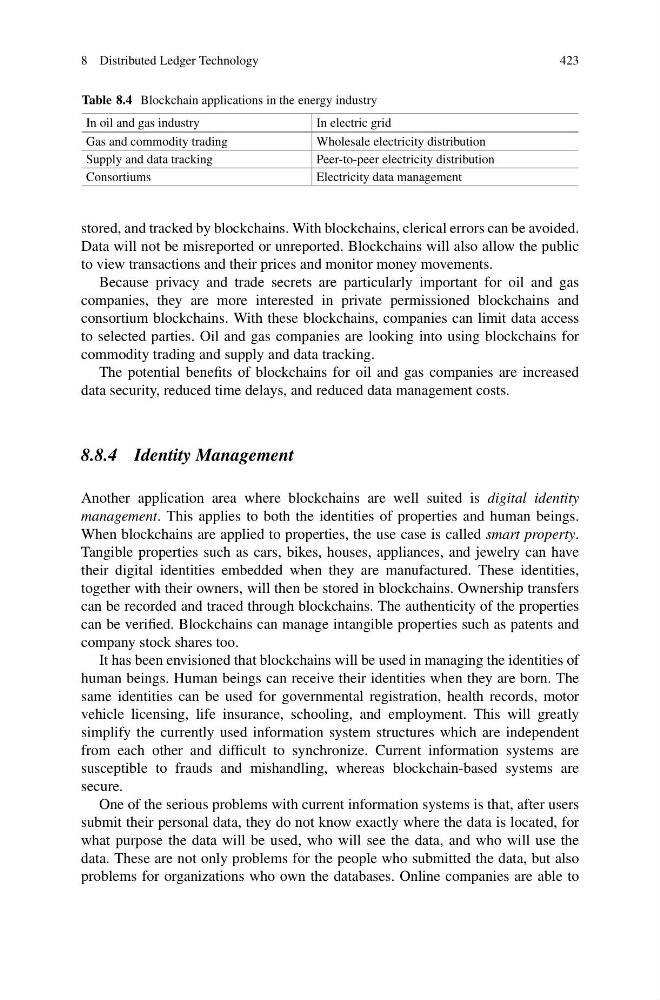
Table 8.4 Blockchain applications in the energy industry
In oil and gas industry
In electric grid
Gas and commodity trading
Wholesale electricity distribution
Supply and data tracking
Peer-to-peer electricity distribution
Consortiums
Electricity data management
stored, and tracked by blockchains. With blockchains, clerical errors can be avoided.
Data will not be misreported or unreported. Blockchains will also allow the public
to view transactions and their prices and monitor money movements.
Because privacy and trade secrets are particularly important for oil and gas
companies, they are more interested in private permissioned blockchains and
consortium blockchains. With these blockchains, companies can limit data access
to selected parties. Oil and gas companies are looking into using blockchains for
commodity trading and supply and data tracking.
The potential benefits of blockchains for oil and gas companies are increased
data security, reduced time delays, and reduced data management costs.
8.8.4 Identity Management
Another application area where blockchains are well suited is digital identity
management. This applies to both the identities of properties and human beings.
When blockchains are applied to properties, the use case is called smart property.
Tangible properties such as cars, bikes, houses, appliances, and jewelry can have
their digital identities embedded when they are manufactured. These identities,
together with their owners, will then be stored in blockchains. Ownership transfers
can be recorded and traced through blockchains. The authenticity of the properties
can be verified. Blockchains can manage intangible properties such as patents and
company stock shares too.
It has been envisioned that blockchains will be used in managing the identities of
human beings. Human beings can receive their identities when they are born. The
same identities can be used for governmental registration, health records, motor
vehicle licensing, life insurance, schooling, and employment. This will greatly
simplify the currently used information system structures which are independent
from each other and difficult to synchronize. Current information systems are
susceptible to frauds and mishandling, whereas blockchain-based systems are
secure.
One of the serious problems with current information systems is that, after users
submit their personal data, they do not know exactly where the data is located, for
what purpose the data will be used, who will see the data, and who will use the
data. These are not only problems for the people who submitted the data, but also
problems for organizations who own the databases. Online companies are able to
423
Table 8.4 Blockchain applications in the energy industry
In oil and gas industry
In electric grid
Gas and commodity trading
Wholesale electricity distribution
Supply and data tracking
Peer-to-peer electricity distribution
Consortiums
Electricity data management
stored, and tracked by blockchains. With blockchains, clerical errors can be avoided.
Data will not be misreported or unreported. Blockchains will also allow the public
to view transactions and their prices and monitor money movements.
Because privacy and trade secrets are particularly important for oil and gas
companies, they are more interested in private permissioned blockchains and
consortium blockchains. With these blockchains, companies can limit data access
to selected parties. Oil and gas companies are looking into using blockchains for
commodity trading and supply and data tracking.
The potential benefits of blockchains for oil and gas companies are increased
data security, reduced time delays, and reduced data management costs.
8.8.4 Identity Management
Another application area where blockchains are well suited is digital identity
management. This applies to both the identities of properties and human beings.
When blockchains are applied to properties, the use case is called smart property.
Tangible properties such as cars, bikes, houses, appliances, and jewelry can have
their digital identities embedded when they are manufactured. These identities,
together with their owners, will then be stored in blockchains. Ownership transfers
can be recorded and traced through blockchains. The authenticity of the properties
can be verified. Blockchains can manage intangible properties such as patents and
company stock shares too.
It has been envisioned that blockchains will be used in managing the identities of
human beings. Human beings can receive their identities when they are born. The
same identities can be used for governmental registration, health records, motor
vehicle licensing, life insurance, schooling, and employment. This will greatly
simplify the currently used information system structures which are independent
from each other and difficult to synchronize. Current information systems are
susceptible to frauds and mishandling, whereas blockchain-based systems are
secure.
One of the serious problems with current information systems is that, after users
submit their personal data, they do not know exactly where the data is located, for
what purpose the data will be used, who will see the data, and who will use the
data. These are not only problems for the people who submitted the data, but also
problems for organizations who own the databases. Online companies are able to