

212
F. Firouzi and B. Farahani
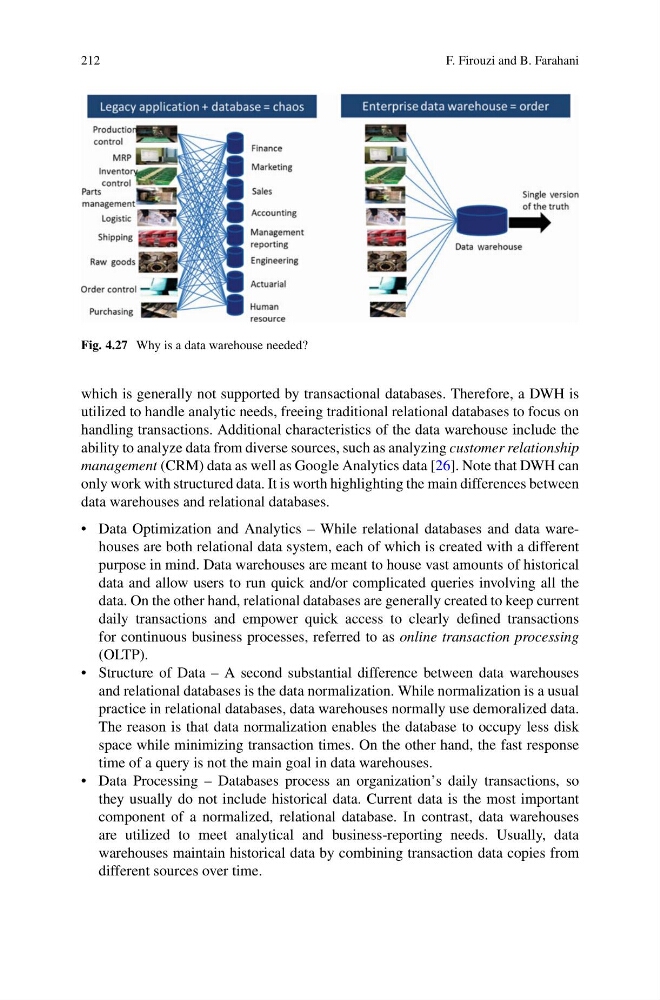
Fig. 4.27 Why is a data warehouse needed?
which is generally not supported by transactional databases. Therefore, a DWH is
utilized to handle analytic needs, freeing traditional relational databases to focus on
handling transactions. Additional characteristics of the data warehouse include the
ability to analyze data from diverse sources, such as analyzing customer relationship
management (CRM) data as well as Google Analytics data [26]. Note that DWH can
only work with structured data. It is worth highlighting the main differences between
data warehouses and relational databases.
• Data Optimization and Analytics – While relational databases and data warehouses are both relational data system, each of which is created with a different
purpose in mind. Data warehouses are meant to house vast amounts of historical
data and allow users to run quick and/or complicated queries involving all the
data. On the other hand, relational databases are generally created to keep current
daily transactions and empower quick access to clearly defined transactions
for continuous business processes, referred to as online transaction processing
(OLTP).
• Structure of Data – A second substantial difference between data warehouses
and relational databases is the data normalization. While normalization is a usual
practice in relational databases, data warehouses normally use demoralized data.
The reason is that data normalization enables the database to occupy less disk
space while minimizing transaction times. On the other hand, the fast response
time of a query is not the main goal in data warehouses.
• Data Processing – Databases process an organization’s daily transactions, so
they usually do not include historical data. Current data is the most important
component of a normalized, relational database. In contrast, data warehouses
are utilized to meet analytical and business-reporting needs. Usually, data
warehouses maintain historical data by combining transaction data copies from
different sources over time.
F. Firouzi and B. Farahani
Fig. 4.27 Why is a data warehouse needed?
which is generally not supported by transactional databases. Therefore, a DWH is
utilized to handle analytic needs, freeing traditional relational databases to focus on
handling transactions. Additional characteristics of the data warehouse include the
ability to analyze data from diverse sources, such as analyzing customer relationship
management (CRM) data as well as Google Analytics data [26]. Note that DWH can
only work with structured data. It is worth highlighting the main differences between
data warehouses and relational databases.
• Data Optimization and Analytics – While relational databases and data warehouses are both relational data system, each of which is created with a different
purpose in mind. Data warehouses are meant to house vast amounts of historical
data and allow users to run quick and/or complicated queries involving all the
data. On the other hand, relational databases are generally created to keep current
daily transactions and empower quick access to clearly defined transactions
for continuous business processes, referred to as online transaction processing
(OLTP).
• Structure of Data – A second substantial difference between data warehouses
and relational databases is the data normalization. While normalization is a usual
practice in relational databases, data warehouses normally use demoralized data.
The reason is that data normalization enables the database to occupy less disk
space while minimizing transaction times. On the other hand, the fast response
time of a query is not the main goal in data warehouses.
• Data Processing – Databases process an organization’s daily transactions, so
they usually do not include historical data. Current data is the most important
component of a normalized, relational database. In contrast, data warehouses
are utilized to meet analytical and business-reporting needs. Usually, data
warehouses maintain historical data by combining transaction data copies from
different sources over time.