

94
6 AlGaN-Based Multiple-Quantum-Well Materials and UV LEDs
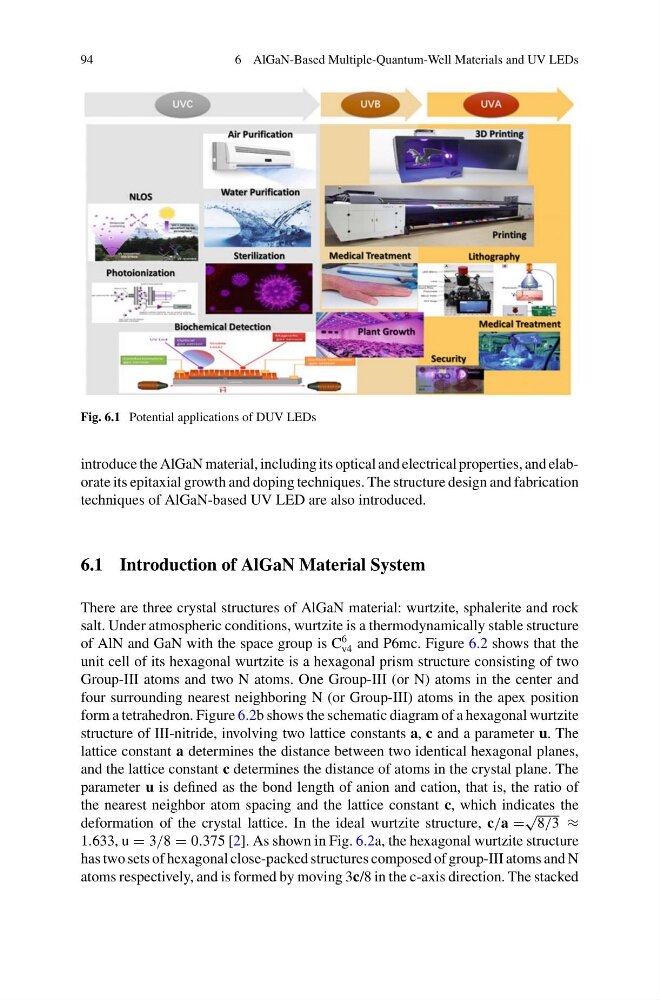
Fig. 6.1 Potential applications of DUV LEDs
introduce the AlGaN material, including its optical and electrical properties, and elaborate its epitaxial growth and doping techniques. The structure design and fabrication
techniques of AlGaN-based UV LED are also introduced.
6.1 Introduction of AlGaN Material System
There are three crystal structures of AlGaN material: wurtzite, sphalerite and rock
salt. Under atmospheric conditions, wurtzite is a thermodynamically stable structure
of AlN and GaN with the space group is C
6
v4 and P6mc. Figure 6.2 shows that the
unit cell of its hexagonal wurtzite is a hexagonal prism structure consisting of two
Group-III atoms and two N atoms. One Group-III (or N) atoms in the center and
four surrounding nearest neighboring N (or Group-III) atoms in the apex position
form a tetrahedron. Figure 6.2b shows the schematic diagram of a hexagonal wurtzite
structure of III-nitride, involving two lattice constants a, c and a parameter u. The
lattice constant a determines the distance between two identical hexagonal planes,
and the lattice constant c determines the distance of atoms in the crystal plane. The
parameter u is defined as the bond length of anion and cation, that is, the ratio of
the nearest neighbor atom spacing and the lattice constant c, which indicates the
deformation of the crystal lattice. In the ideal wurtzite structure, c/a =
√
8/3 ≈
1.633, u = 3/8 = 0.375 [2]. As shown in Fig. 6.2a, the hexagonal wurtzite structure
has two sets of hexagonal close-packed structures composed of group-III atoms and N
atoms respectively, and is formed by moving 3c/8 in the c-axis direction. The stacked
6 AlGaN-Based Multiple-Quantum-Well Materials and UV LEDs
Fig. 6.1 Potential applications of DUV LEDs
introduce the AlGaN material, including its optical and electrical properties, and elaborate its epitaxial growth and doping techniques. The structure design and fabrication
techniques of AlGaN-based UV LED are also introduced.
6.1 Introduction of AlGaN Material System
There are three crystal structures of AlGaN material: wurtzite, sphalerite and rock
salt. Under atmospheric conditions, wurtzite is a thermodynamically stable structure
of AlN and GaN with the space group is C
6
v4 and P6mc. Figure 6.2 shows that the
unit cell of its hexagonal wurtzite is a hexagonal prism structure consisting of two
Group-III atoms and two N atoms. One Group-III (or N) atoms in the center and
four surrounding nearest neighboring N (or Group-III) atoms in the apex position
form a tetrahedron. Figure 6.2b shows the schematic diagram of a hexagonal wurtzite
structure of III-nitride, involving two lattice constants a, c and a parameter u. The
lattice constant a determines the distance between two identical hexagonal planes,
and the lattice constant c determines the distance of atoms in the crystal plane. The
parameter u is defined as the bond length of anion and cation, that is, the ratio of
the nearest neighbor atom spacing and the lattice constant c, which indicates the
deformation of the crystal lattice. In the ideal wurtzite structure, c/a =
√
8/3 ≈
1.633, u = 3/8 = 0.375 [2]. As shown in Fig. 6.2a, the hexagonal wurtzite structure
has two sets of hexagonal close-packed structures composed of group-III atoms and N
atoms respectively, and is formed by moving 3c/8 in the c-axis direction. The stacked