

social-ecological system involve in the current state and evolution of them so that
appropriate management is posed in place.
According to the Driver-Pressure-State-Impact-Response (DPSIR) framework:
Drivers consist of a need for social and economic development. They exert Pressures
through human activities to meet them like emissions from shipping or fishing. As a
consequence, the State of the ecosystem as a whole (particularly fish stocks) changes
in terms of variety, quantity, and quality, leading to Impacts on human beings like
GDP per capita of coastal communities or ecosystems (decrease or depletion of fish
stocks, for instance). The latter may result in a societal Response that feeds back on
the driving forces, state, or impact through adaptation or curative actions (EEA
1999).
More than 90% of cumulative impacts of drivers in Western Mediterranean Sea
ecosystem and fish stocks are in order of importance those associated with global
warming and fishing industry exploitation of fish stocks (Micheli et al. 2013).
Some other impacts like excess nutrients and hypoxia and shipping are of less
importance. Land-based activities that change ecosystem components and biodiversity cause excess nutrients and hypoxia that weaken the demersal/benthic system.
There is a decreasing west-east gradient of nutrients in the Mediterranean Sea
(Murdoch and Onuf 1972; Caddy 2000), and that main concentration of nutrients
takes place in Malaga Bay associated to seasonal upwelling processes caused by
wind direction (Macías et al. 2014).
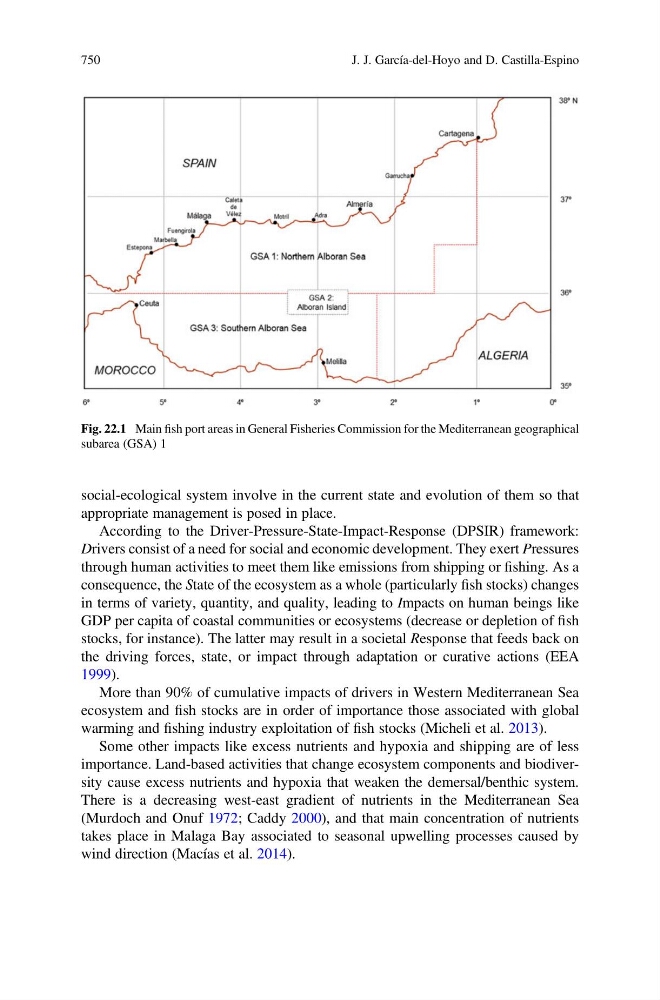
Fig. 22.1 Main fish port areas in General Fisheries Commission for the Mediterranean geographical
subarea (GSA) 1
750
J. J. García-del-Hoyo and D. Castilla-Espino