

frequent in the last three decades across the Mediterranean Sea (e.g. Stachowitsch
1984; Cerrano et al. 2000; Perez et al. 2000; Garrabou et al. 2009; Bensoussan et al.
2010; Lejeusne et al. 2010; Crisci et al. 2011; Rivetti et al. 2014; Di Camillo and
Cerrano 2015; Rubio-Portillo et al. 2016). These events can cause massive damage
or death to those species by (i) thermal stress (that makes them more susceptible to
infections and diseases); (ii) decrease in the efficacy of defence mechanisms; (iii)
damages by hypoxia; (iv) increasing populations of pathogenic organisms as fungi,
bacteria or protists (or increasing their virulence); (v) favouring the arrival and
settlement of thermophilic species to the detriment of the most sensitive to high
temperatures; and (vi) inducing coral bleaching or the breakdown of the
cyanobacteria-sponge symbiosis (Stachowitsch 1984; Kushmaro et al. 1998;
Cerrano et al. 2000; Perez et al. 2000; Coma et al. 2009; Lejeusne et al. 2010;
Maldonado et al. 2010; Cebrián et al. 2011; Sánchez-Tocino and Tierno de Figueroa
2016). In fact, as referred by Lejeusne et al. (2010), the Mediterranean Sea is one of
Table 10.2 (continued)
Species
SG AI CH OT
Bryozoa
Bicrisia gibraltarensis Harmelin, 1990
+
Crepis harmelini Reverter-Gil, Souto and Fernández-Pulpeiro, 2011
+
Disporella alboranensis Álvarez, 1992
+
Disporella piramidata Álvarez, 1992
+
Disporella robusta Álvarez, 1992
+
Fenestrulina barrosoi Álvarez, 1993
+
Hemicyclopora dentata López de la Cuadra and García Gómez, 1991
+
Patinella distincta (Álvarez, 1993)
+
Puellina pseudoradiata Harmelin and Arístegui, 1988
+
Schizomavella rectangularis Reverter-Gil, Berning and Souto, 2015
+
Sessibugula barrosoi López de la Cuadra and García-Gómez, 1994
+
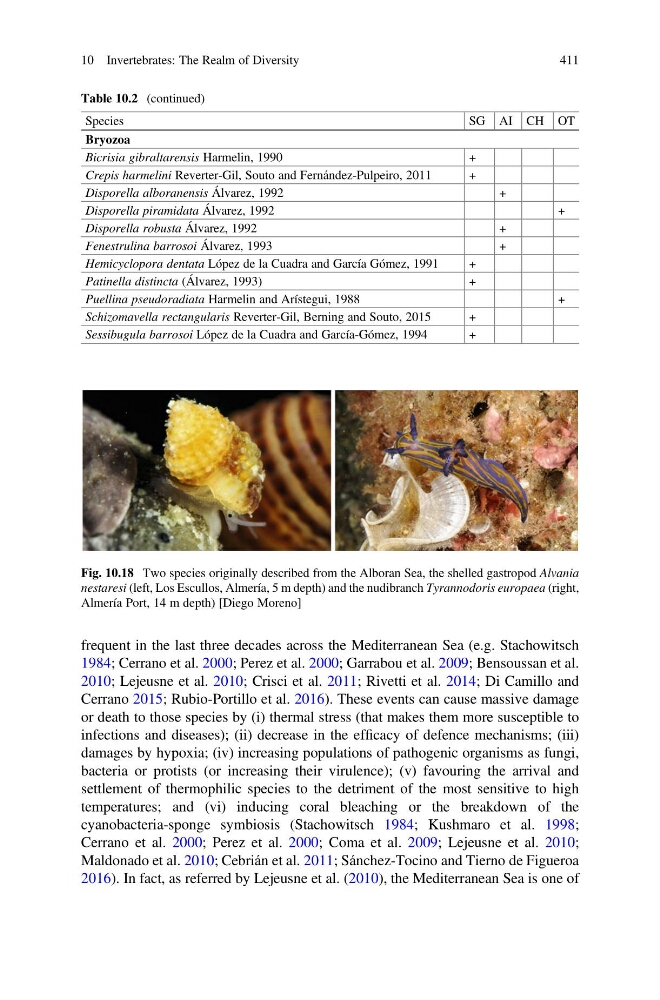
Fig. 10.18 Two species originally described from the Alboran Sea, the shelled gastropod Alvania
nestaresi (left, Los Escullos, Almería, 5 m depth) and the nudibranch Tyrannodoris europaea (right,
Almería Port, 14 m depth) [Diego Moreno]
10 Invertebrates: The Realm of Diversity
411
1984; Cerrano et al. 2000; Perez et al. 2000; Garrabou et al. 2009; Bensoussan et al.
2010; Lejeusne et al. 2010; Crisci et al. 2011; Rivetti et al. 2014; Di Camillo and
Cerrano 2015; Rubio-Portillo et al. 2016). These events can cause massive damage
or death to those species by (i) thermal stress (that makes them more susceptible to
infections and diseases); (ii) decrease in the efficacy of defence mechanisms; (iii)
damages by hypoxia; (iv) increasing populations of pathogenic organisms as fungi,
bacteria or protists (or increasing their virulence); (v) favouring the arrival and
settlement of thermophilic species to the detriment of the most sensitive to high
temperatures; and (vi) inducing coral bleaching or the breakdown of the
cyanobacteria-sponge symbiosis (Stachowitsch 1984; Kushmaro et al. 1998;
Cerrano et al. 2000; Perez et al. 2000; Coma et al. 2009; Lejeusne et al. 2010;
Maldonado et al. 2010; Cebrián et al. 2011; Sánchez-Tocino and Tierno de Figueroa
2016). In fact, as referred by Lejeusne et al. (2010), the Mediterranean Sea is one of
Table 10.2 (continued)
Species
SG AI CH OT
Bryozoa
Bicrisia gibraltarensis Harmelin, 1990
+
Crepis harmelini Reverter-Gil, Souto and Fernández-Pulpeiro, 2011
+
Disporella alboranensis Álvarez, 1992
+
Disporella piramidata Álvarez, 1992
+
Disporella robusta Álvarez, 1992
+
Fenestrulina barrosoi Álvarez, 1993
+
Hemicyclopora dentata López de la Cuadra and García Gómez, 1991
+
Patinella distincta (Álvarez, 1993)
+
Puellina pseudoradiata Harmelin and Arístegui, 1988
+
Schizomavella rectangularis Reverter-Gil, Berning and Souto, 2015
+
Sessibugula barrosoi López de la Cuadra and García-Gómez, 1994
+
Fig. 10.18 Two species originally described from the Alboran Sea, the shelled gastropod Alvania
nestaresi (left, Los Escullos, Almería, 5 m depth) and the nudibranch Tyrannodoris europaea (right,
Almería Port, 14 m depth) [Diego Moreno]
10 Invertebrates: The Realm of Diversity
411