

overhangs in high densities. Van Rooij et al. (2010) observed living N. zibrowii in
the Bay of Biscay in depths from 540 to 846 m, colonizing overhanging banks or
escarpments protruding from steep canyon flanks. Further, Johnson et al. (2013)
described a biotope of vertical surfaces and overhangs at depths between 633 and
762 m covered by the bivalves Acesta excavata and N. zibrowii in one of the major
submarine canyons along the Celtic margin. Likewise, Gofas et al. (2010) reported
the occurrence of living Neopycnodonte zibrowii between 680 and 730 m, on the
slope of the Hespérides Mud Volcano Complex located in the central part of the Gulf
of Cadiz.
This “living fossil” oyster has an extensive lifespan that may exceed 500 years
(placing it among the longest-lived molluscs known to date) and grows to more than
fourfold the size of large N. cochlear, up to 30 cm (Wisshak et al. 2009; Beuck et al.
2016). Its occurrence, either living or subfossil, has been noted in scattered locations
in the eastern Atlantic (living) and the Mediterranean (mainly as subfossil) (Taviani
et al. 2007; Gofas et al. 2010). By that time, Hebbeln et al. (2009) also reported the
presence of living specimens of N. zibrowii in steep cliffs of El Idrissi Bank,
southeast of the Djibouti complex (Alboran Sea) at 490 m among abundant fossil
oysters. Further, de la Torriente et al. (2014, 2018) found dense clusters of this
species at the base of rocky walls down to 462 m depth in the Seco de los Olivos.
Zibrowius (pers. comm.) observed dense aggregates on the south wall of Alboran
platform, on video footages by submersible “Cyana” taken in 1993 and never
released.
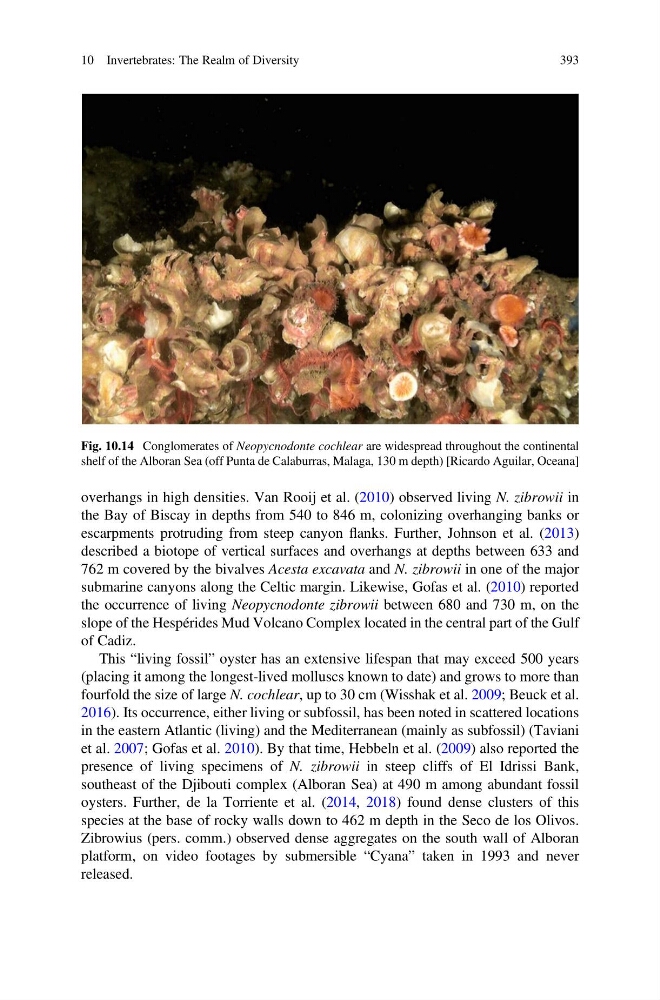
Fig. 10.14 Conglomerates of Neopycnodonte cochlear are widespread throughout the continental
shelf of the Alboran Sea (off Punta de Calaburras, Malaga, 130 m depth) [Ricardo Aguilar, Oceana]
10 Invertebrates: The Realm of Diversity
393
the Bay of Biscay in depths from 540 to 846 m, colonizing overhanging banks or
escarpments protruding from steep canyon flanks. Further, Johnson et al. (2013)
described a biotope of vertical surfaces and overhangs at depths between 633 and
762 m covered by the bivalves Acesta excavata and N. zibrowii in one of the major
submarine canyons along the Celtic margin. Likewise, Gofas et al. (2010) reported
the occurrence of living Neopycnodonte zibrowii between 680 and 730 m, on the
slope of the Hespérides Mud Volcano Complex located in the central part of the Gulf
of Cadiz.
This “living fossil” oyster has an extensive lifespan that may exceed 500 years
(placing it among the longest-lived molluscs known to date) and grows to more than
fourfold the size of large N. cochlear, up to 30 cm (Wisshak et al. 2009; Beuck et al.
2016). Its occurrence, either living or subfossil, has been noted in scattered locations
in the eastern Atlantic (living) and the Mediterranean (mainly as subfossil) (Taviani
et al. 2007; Gofas et al. 2010). By that time, Hebbeln et al. (2009) also reported the
presence of living specimens of N. zibrowii in steep cliffs of El Idrissi Bank,
southeast of the Djibouti complex (Alboran Sea) at 490 m among abundant fossil
oysters. Further, de la Torriente et al. (2014, 2018) found dense clusters of this
species at the base of rocky walls down to 462 m depth in the Seco de los Olivos.
Zibrowius (pers. comm.) observed dense aggregates on the south wall of Alboran
platform, on video footages by submersible “Cyana” taken in 1993 and never
released.
Fig. 10.14 Conglomerates of Neopycnodonte cochlear are widespread throughout the continental
shelf of the Alboran Sea (off Punta de Calaburras, Malaga, 130 m depth) [Ricardo Aguilar, Oceana]
10 Invertebrates: The Realm of Diversity
393