

associated with red corallinaceous algae and other red algae with laminar thalli
typical of the circalittoral zone.
Infralittoral soft substrates are commonly formed from residual rhizome mats of
marine seagrasses or, in some cases, by the green alga Caulerpa spp. which develop
a structural pattern that resembles that of seagrass, and they can develop on this more
unstable type of substratum. In the Alboran Sea, two Caulerpa species develop such
meadows. C. prolifera is native in this sea, although it has become increasingly rare
and is currently restricted to localized areas, in many cases associated with marine
seagrasses. C. cylindracea (Fig. 8.2c) is an invasive exotic species that has also
colonized other infralittoral habitats such as hard substrates, seagrass meadows, or
maerl beds.
Invasive alien species stand out among the factors that cause loss of native
biodiversity in marine communities. Some of the communities in the Alboran Sea
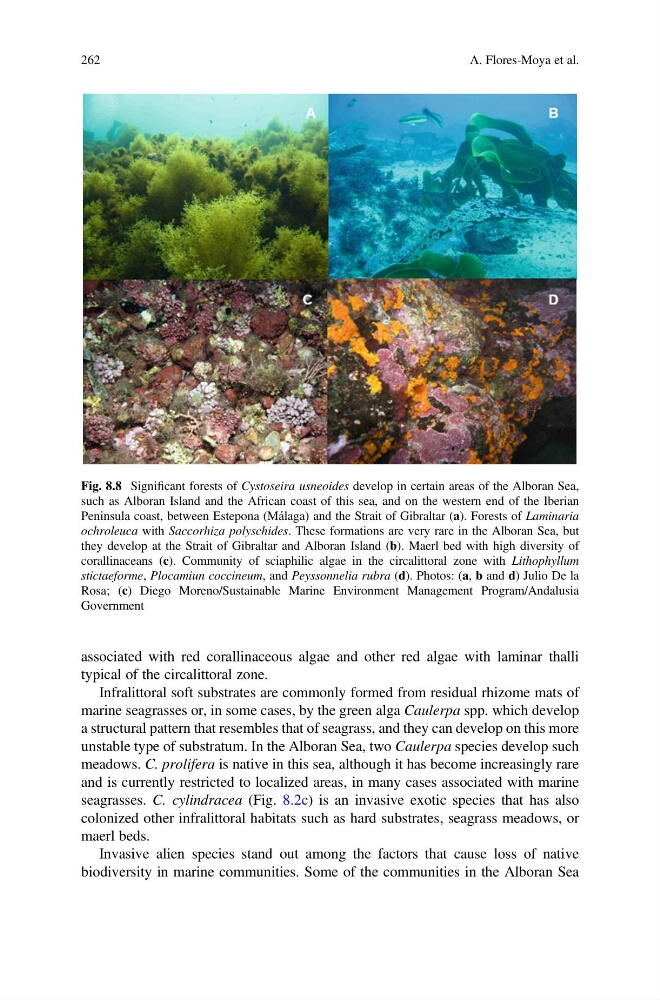
Fig. 8.8 Significant forests of Cystoseira usneoides develop in certain areas of the Alboran Sea,
such as Alboran Island and the African coast of this sea, and on the western end of the Iberian
Peninsula coast, between Estepona (Málaga) and the Strait of Gibraltar (a). Forests of Laminaria
ochroleuca with Saccorhiza polyschides. These formations are very rare in the Alboran Sea, but
they develop at the Strait of Gibraltar and Alboran Island (b). Maerl bed with high diversity of
corallinaceans (c). Community of sciaphilic algae in the circalittoral zone with Lithophyllum
stictaeforme, Plocamiun coccineum, and Peyssonnelia rubra (d). Photos: (a, b and d) Julio De la
Rosa; (c) Diego Moreno/Sustainable Marine Environment Management Program/Andalusia
Government
262
A. Flores-Moya et al.
typical of the circalittoral zone.
Infralittoral soft substrates are commonly formed from residual rhizome mats of
marine seagrasses or, in some cases, by the green alga Caulerpa spp. which develop
a structural pattern that resembles that of seagrass, and they can develop on this more
unstable type of substratum. In the Alboran Sea, two Caulerpa species develop such
meadows. C. prolifera is native in this sea, although it has become increasingly rare
and is currently restricted to localized areas, in many cases associated with marine
seagrasses. C. cylindracea (Fig. 8.2c) is an invasive exotic species that has also
colonized other infralittoral habitats such as hard substrates, seagrass meadows, or
maerl beds.
Invasive alien species stand out among the factors that cause loss of native
biodiversity in marine communities. Some of the communities in the Alboran Sea
Fig. 8.8 Significant forests of Cystoseira usneoides develop in certain areas of the Alboran Sea,
such as Alboran Island and the African coast of this sea, and on the western end of the Iberian
Peninsula coast, between Estepona (Málaga) and the Strait of Gibraltar (a). Forests of Laminaria
ochroleuca with Saccorhiza polyschides. These formations are very rare in the Alboran Sea, but
they develop at the Strait of Gibraltar and Alboran Island (b). Maerl bed with high diversity of
corallinaceans (c). Community of sciaphilic algae in the circalittoral zone with Lithophyllum
stictaeforme, Plocamiun coccineum, and Peyssonnelia rubra (d). Photos: (a, b and d) Julio De la
Rosa; (c) Diego Moreno/Sustainable Marine Environment Management Program/Andalusia
Government
262
A. Flores-Moya et al.