

This is in sharp contrast to more or less enclosed basins, such as the Baltic Sea
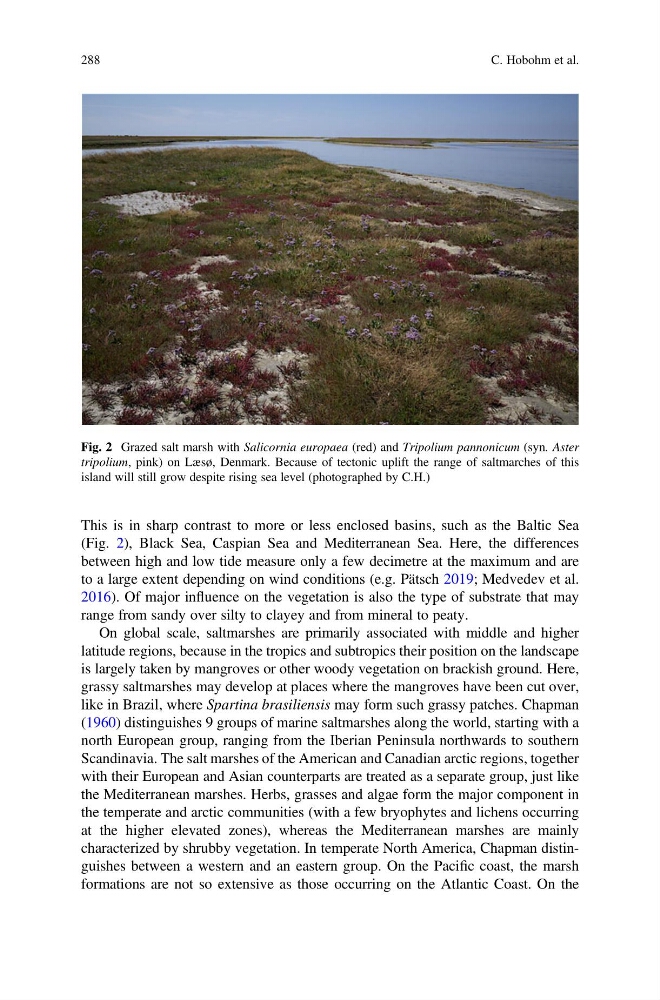
(Fig. 2), Black Sea, Caspian Sea and Mediterranean Sea. Here, the differences
between high and low tide measure only a few decimetre at the maximum and are
to a large extent depending on wind conditions (e.g. Pätsch 2019; Medvedev et al.
2016). Of major influence on the vegetation is also the type of substrate that may
range from sandy over silty to clayey and from mineral to peaty.
On global scale, saltmarshes are primarily associated with middle and higher
latitude regions, because in the tropics and subtropics their position on the landscape
is largely taken by mangroves or other woody vegetation on brackish ground. Here,
grassy saltmarshes may develop at places where the mangroves have been cut over,
like in Brazil, where Spartina brasiliensis may form such grassy patches. Chapman
(1960) distinguishes 9 groups of marine saltmarshes along the world, starting with a
north European group, ranging from the Iberian Peninsula northwards to southern
Scandinavia. The salt marshes of the American and Canadian arctic regions, together
with their European and Asian counterparts are treated as a separate group, just like
the Mediterranean marshes. Herbs, grasses and algae form the major component in
the temperate and arctic communities (with a few bryophytes and lichens occurring
at the higher elevated zones), whereas the Mediterranean marshes are mainly
characterized by shrubby vegetation. In temperate North America, Chapman distinguishes between a western and an eastern group. On the Pacific coast, the marsh
formations are not so extensive as those occurring on the Atlantic Coast. On the
Fig. 2 Grazed salt marsh with Salicornia europaea (red) and Tripolium pannonicum (syn. Aster
tripolium, pink) on Læsø, Denmark. Because of tectonic uplift the range of saltmarches of this
island will still grow despite rising sea level (photographed by C.H.)
288
C. Hobohm et al.
(Fig. 2), Black Sea, Caspian Sea and Mediterranean Sea. Here, the differences
between high and low tide measure only a few decimetre at the maximum and are
to a large extent depending on wind conditions (e.g. Pätsch 2019; Medvedev et al.
2016). Of major influence on the vegetation is also the type of substrate that may
range from sandy over silty to clayey and from mineral to peaty.
On global scale, saltmarshes are primarily associated with middle and higher
latitude regions, because in the tropics and subtropics their position on the landscape
is largely taken by mangroves or other woody vegetation on brackish ground. Here,
grassy saltmarshes may develop at places where the mangroves have been cut over,
like in Brazil, where Spartina brasiliensis may form such grassy patches. Chapman
(1960) distinguishes 9 groups of marine saltmarshes along the world, starting with a
north European group, ranging from the Iberian Peninsula northwards to southern
Scandinavia. The salt marshes of the American and Canadian arctic regions, together
with their European and Asian counterparts are treated as a separate group, just like
the Mediterranean marshes. Herbs, grasses and algae form the major component in
the temperate and arctic communities (with a few bryophytes and lichens occurring
at the higher elevated zones), whereas the Mediterranean marshes are mainly
characterized by shrubby vegetation. In temperate North America, Chapman distinguishes between a western and an eastern group. On the Pacific coast, the marsh
formations are not so extensive as those occurring on the Atlantic Coast. On the
Fig. 2 Grazed salt marsh with Salicornia europaea (red) and Tripolium pannonicum (syn. Aster
tripolium, pink) on Læsø, Denmark. Because of tectonic uplift the range of saltmarches of this
island will still grow despite rising sea level (photographed by C.H.)
288
C. Hobohm et al.