

Stochastic effects and change have been studied on very different levels of individual
fitness, population dynamics, ecosystem functioning, biodiversity and evolution
(cf. e.g. Wrege and Emlen 1991, Stuessy and Ono 1998, Doak et al. 2005, NabeNielsen et al. 2010, Melbinger and Vergassola 2015).
Catastrophes and disasters may comprise events such as volcanic eruptions,
landslides, earthquakes, extreme temperatures, severe storms, floods, droughts,
extreme heatwaves and extensive fires, tsunamis, the spread of diseases and pests.
However, for a single insect, a lack of pollen and nectar may also be a serious
problem. Thus, the term catastrophe is relative.
Creeping processes can have strong effects on ecosystems and biodiversity.
Cumulative impacts must also be considered in areas that are repeatedly disturbed;
e.g., it is not just the magnitude of a disturbance but the time since the previous
disturbance, which dictates the extent of negative impacts to a system. Invasive
species such as rats, goats, pigs and cats have already resulted in the extinction of
many native species on islands. In accordance with the Convention on Biological
Diversity (CBD) every irreversible extinction can be called a loss and disaster.
Different aspects of change in the context of environmental continuity and change
at landscape scales could be operational: (1) human influence, (2) geology/landscape/surface/soils, (3) climate/weather extremes, and (4) others.
Combined with regularity vs. irregularity, and short-term, mid-term, and longterm changes, these influences may have totally different effect sizes.
Natural processes such as volcanism and cultural impacts such as the use of
pesticides can destroy whole landscapes and ecosystems. Nowadays, a great risk for
the survival of different ecosystems and species is human activities. The global
application of fertilizers, pesticides, medicines for domestic animals, and the dispersal of pathogens, is today affecting much larger areas than any other natural
process or event.
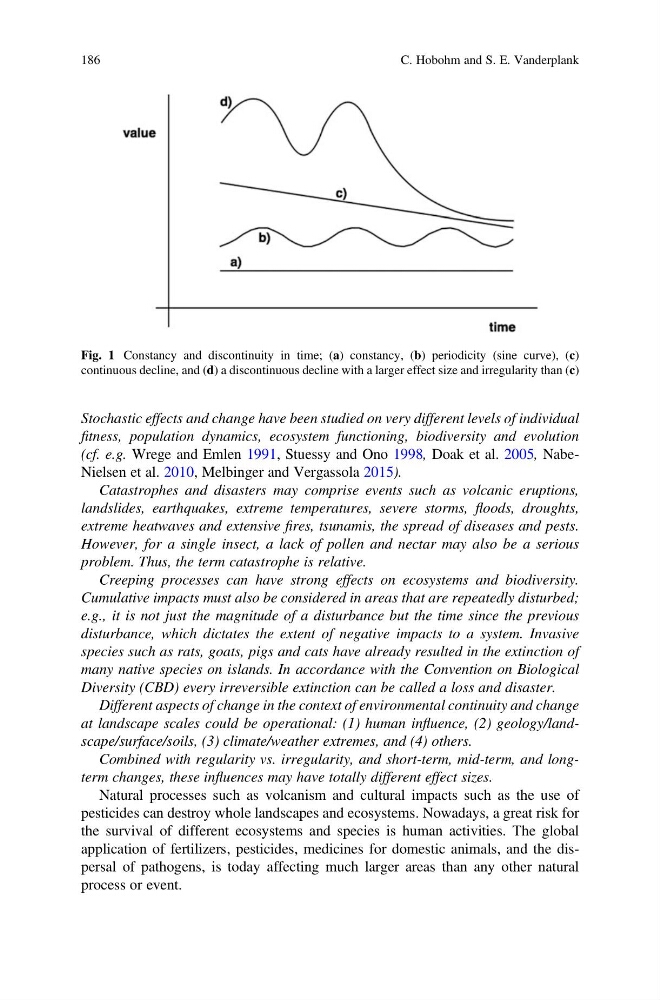
Fig. 1 Constancy and discontinuity in time; (a) constancy, (b) periodicity (sine curve), (c)
continuous decline, and (d) a discontinuous decline with a larger effect size and irregularity than (c)
186
C. Hobohm and S. E. Vanderplank
fitness, population dynamics, ecosystem functioning, biodiversity and evolution
(cf. e.g. Wrege and Emlen 1991, Stuessy and Ono 1998, Doak et al. 2005, NabeNielsen et al. 2010, Melbinger and Vergassola 2015).
Catastrophes and disasters may comprise events such as volcanic eruptions,
landslides, earthquakes, extreme temperatures, severe storms, floods, droughts,
extreme heatwaves and extensive fires, tsunamis, the spread of diseases and pests.
However, for a single insect, a lack of pollen and nectar may also be a serious
problem. Thus, the term catastrophe is relative.
Creeping processes can have strong effects on ecosystems and biodiversity.
Cumulative impacts must also be considered in areas that are repeatedly disturbed;
e.g., it is not just the magnitude of a disturbance but the time since the previous
disturbance, which dictates the extent of negative impacts to a system. Invasive
species such as rats, goats, pigs and cats have already resulted in the extinction of
many native species on islands. In accordance with the Convention on Biological
Diversity (CBD) every irreversible extinction can be called a loss and disaster.
Different aspects of change in the context of environmental continuity and change
at landscape scales could be operational: (1) human influence, (2) geology/landscape/surface/soils, (3) climate/weather extremes, and (4) others.
Combined with regularity vs. irregularity, and short-term, mid-term, and longterm changes, these influences may have totally different effect sizes.
Natural processes such as volcanism and cultural impacts such as the use of
pesticides can destroy whole landscapes and ecosystems. Nowadays, a great risk for
the survival of different ecosystems and species is human activities. The global
application of fertilizers, pesticides, medicines for domestic animals, and the dispersal of pathogens, is today affecting much larger areas than any other natural
process or event.
Fig. 1 Constancy and discontinuity in time; (a) constancy, (b) periodicity (sine curve), (c)
continuous decline, and (d) a discontinuous decline with a larger effect size and irregularity than (c)
186
C. Hobohm and S. E. Vanderplank