

18
Water for Energy and Fuel Production
taBle 2.1
Produced Volume of Water and Percentage increase (since 2007) Forecast
in Oil and Gas industries over the next 15 years
year Coal Bed methane/shale Gas Oil sand On/Offshore all Other Gas
total
2007
4.5
2.8
14.5
2.8
24.6
2010
4.5 (0%)
2.8 (0%)
14.9 (2.8%)
2.8 (0%)
25.0 (1.6%)
2015
4.7 (4.4%)
3.2 (14.3%) 16.7 (15.2%)
2.9 (3.6%)
27.5 (11.8%)
2020
4.9 (8.9%)
4.5 (60.7%) 18.4 (26.9%)
3.0 (7.1%)
30.8 (25.2%)
2025 a
5.0 (11.1%)
5.5 (96.4%) 21.5 (48.3%)
3.0 (7.1%)
35.0 (42.3%)
Source: Global Water Intelligence, 12, 2–8, 2011. With permission.
Note: All numbers are in billion gallons of water per year.
a By 2025, the total increase in produced water will be more than 10 billion gallons per year.
growth in 15 years. The dollar value of the produced water equipment market will
grow from $693 million in 2010 to $2.9 billion in 2025 [2]. This growth will accompany a significant growth in various water purification technologies.
While the use of water is essential for recovery of fossil fuels and uranium,
the chapter illustrates at least four reasons why this usage will grow significantly
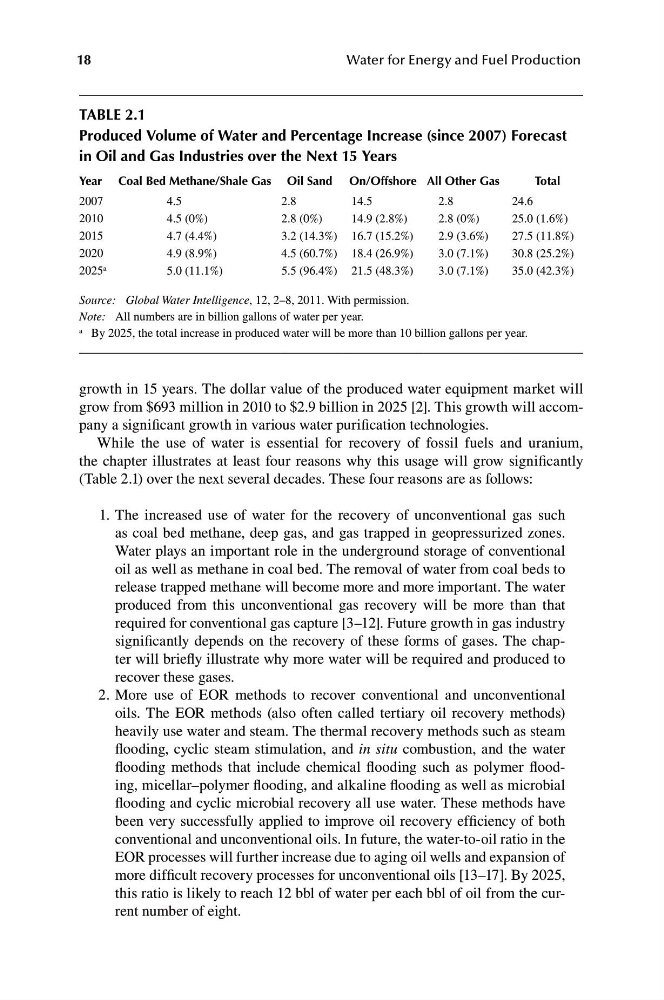
(Table 2.1) over the next several decades. These four reasons are as follows:
1. The increased use of water for the recovery of unconventional gas such
as coal bed methane, deep gas, and gas trapped in geopressurized zones.
Water plays an important role in the underground storage of conventional
oil as well as methane in coal bed. The removal of water from coal beds to
release trapped methane will become more and more important. The water
produced from this unconventional gas recovery will be more than that
required for conventional gas capture [3–12]. Future growth in gas industry
significantly depends on the recovery of these forms of gases. The chapter will briefly illustrate why more water will be required and produced to
recover these gases.
2. More use of EOR methods to recover conventional and unconventional
oils. The EOR methods (also often called tertiary oil recovery methods)
heavily use water and steam. The thermal recovery methods such as steam
flooding, cyclic steam stimulation, and in situ combustion, and the water
flooding methods that include chemical flooding such as polymer flooding, micellar–polymer flooding, and alkaline flooding as well as microbial
flooding and cyclic microbial recovery all use water. These methods have
been very successfully applied to improve oil recovery efficiency of both
conventional and unconventional oils. In future, the water-to-oil ratio in the
EOR processes will further increase due to aging oil wells and expansion of
more difficult recovery processes for unconventional oils [13–17]. By 2025,
this ratio is likely to reach 12 bbl of water per each bbl of oil from the current number of eight.
Water for Energy and Fuel Production
taBle 2.1
Produced Volume of Water and Percentage increase (since 2007) Forecast
in Oil and Gas industries over the next 15 years
year Coal Bed methane/shale Gas Oil sand On/Offshore all Other Gas
total
2007
4.5
2.8
14.5
2.8
24.6
2010
4.5 (0%)
2.8 (0%)
14.9 (2.8%)
2.8 (0%)
25.0 (1.6%)
2015
4.7 (4.4%)
3.2 (14.3%) 16.7 (15.2%)
2.9 (3.6%)
27.5 (11.8%)
2020
4.9 (8.9%)
4.5 (60.7%) 18.4 (26.9%)
3.0 (7.1%)
30.8 (25.2%)
2025 a
5.0 (11.1%)
5.5 (96.4%) 21.5 (48.3%)
3.0 (7.1%)
35.0 (42.3%)
Source: Global Water Intelligence, 12, 2–8, 2011. With permission.
Note: All numbers are in billion gallons of water per year.
a By 2025, the total increase in produced water will be more than 10 billion gallons per year.
growth in 15 years. The dollar value of the produced water equipment market will
grow from $693 million in 2010 to $2.9 billion in 2025 [2]. This growth will accompany a significant growth in various water purification technologies.
While the use of water is essential for recovery of fossil fuels and uranium,
the chapter illustrates at least four reasons why this usage will grow significantly
(Table 2.1) over the next several decades. These four reasons are as follows:
1. The increased use of water for the recovery of unconventional gas such
as coal bed methane, deep gas, and gas trapped in geopressurized zones.
Water plays an important role in the underground storage of conventional
oil as well as methane in coal bed. The removal of water from coal beds to
release trapped methane will become more and more important. The water
produced from this unconventional gas recovery will be more than that
required for conventional gas capture [3–12]. Future growth in gas industry
significantly depends on the recovery of these forms of gases. The chapter will briefly illustrate why more water will be required and produced to
recover these gases.
2. More use of EOR methods to recover conventional and unconventional
oils. The EOR methods (also often called tertiary oil recovery methods)
heavily use water and steam. The thermal recovery methods such as steam
flooding, cyclic steam stimulation, and in situ combustion, and the water
flooding methods that include chemical flooding such as polymer flooding, micellar–polymer flooding, and alkaline flooding as well as microbial
flooding and cyclic microbial recovery all use water. These methods have
been very successfully applied to improve oil recovery efficiency of both
conventional and unconventional oils. In future, the water-to-oil ratio in the
EOR processes will further increase due to aging oil wells and expansion of
more difficult recovery processes for unconventional oils [13–17]. By 2025,
this ratio is likely to reach 12 bbl of water per each bbl of oil from the current number of eight.