

Danger to coastal
cities
Hydrate formation
in unprocessed
CH 4
Hydrate formation
Tsunami
wellstreams
in wellbore or
generation
Greenhouse gas
drill string
release
Hydrate
Submarine slope
formation
failure
in pipelines
Hydrate dissociation—
seafloor instability around
undersea installations
Methane gas
Gas hydrates in subsea
sediments
335
Methane from Gas Hydrates
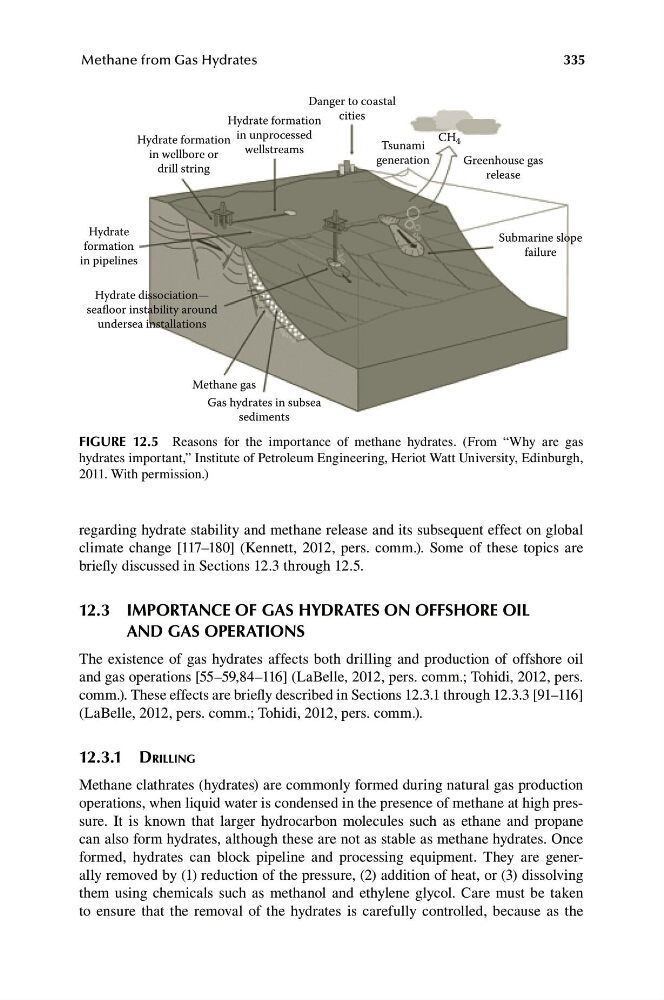
FiGUre 12.5 Reasons for the importance of methane hydrates. (From “Why are gas
hydrates important,” Institute of Petroleum Engineering, Heriot Watt University, Edinburgh,
2011. With permission.)
regarding hydrate stability and methane release and its subsequent effect on global
climate change [117–180] (Kennett, 2012, pers. comm.). Some of these topics are
briefly discussed in Sections 12.3 through 12.5.
12.3 imPOrtanCe OF Gas hydrates On OFFshOre Oil
and Gas OPeratiOns
The existence of gas hydrates affects both drilling and production of offshore oil
and gas operations [55–59,84–116] (LaBelle, 2012, pers. comm.; Tohidi, 2012, pers.
comm.). These effects are briefly described in Sections 12.3.1 through 12.3.3 [91–116]
(LaBelle, 2012, pers. comm.; Tohidi, 2012, pers. comm.).
12.3.1 drilling
Methane clathrates (hydrates) are commonly formed during natural gas production
operations, when liquid water is condensed in the presence of methane at high pressure. It is known that larger hydrocarbon molecules such as ethane and propane
can also form hydrates, although these are not as stable as methane hydrates. Once
formed, hydrates can block pipeline and processing equipment. They are generally removed by (1) reduction of the pressure, (2) addition of heat, or (3) dissolving
them using chemicals such as methanol and ethylene glycol. Care must be taken
to ensure that the removal of the hydrates is carefully controlled, because as the
cities
Hydrate formation
in unprocessed
CH 4
Hydrate formation
Tsunami
wellstreams
in wellbore or
generation
Greenhouse gas
drill string
release
Hydrate
Submarine slope
formation
failure
in pipelines
Hydrate dissociation—
seafloor instability around
undersea installations
Methane gas
Gas hydrates in subsea
sediments
335
Methane from Gas Hydrates
FiGUre 12.5 Reasons for the importance of methane hydrates. (From “Why are gas
hydrates important,” Institute of Petroleum Engineering, Heriot Watt University, Edinburgh,
2011. With permission.)
regarding hydrate stability and methane release and its subsequent effect on global
climate change [117–180] (Kennett, 2012, pers. comm.). Some of these topics are
briefly discussed in Sections 12.3 through 12.5.
12.3 imPOrtanCe OF Gas hydrates On OFFshOre Oil
and Gas OPeratiOns
The existence of gas hydrates affects both drilling and production of offshore oil
and gas operations [55–59,84–116] (LaBelle, 2012, pers. comm.; Tohidi, 2012, pers.
comm.). These effects are briefly described in Sections 12.3.1 through 12.3.3 [91–116]
(LaBelle, 2012, pers. comm.; Tohidi, 2012, pers. comm.).
12.3.1 drilling
Methane clathrates (hydrates) are commonly formed during natural gas production
operations, when liquid water is condensed in the presence of methane at high pressure. It is known that larger hydrocarbon molecules such as ethane and propane
can also form hydrates, although these are not as stable as methane hydrates. Once
formed, hydrates can block pipeline and processing equipment. They are generally removed by (1) reduction of the pressure, (2) addition of heat, or (3) dissolving
them using chemicals such as methanol and ethylene glycol. Care must be taken
to ensure that the removal of the hydrates is carefully controlled, because as the