

4.3 Temperature Drop Using PWAT Material
97
Drop in temp. Deg.C
0:00:00
0:07:12
0:14:24
0:21:36
0:28:48
0:36:00
0:43:12
0:50:24
0:57:36
1:04:48
0.0
Time:h:mm:ss
-2.0
-4.0
-6.0
-8.0
-10.0
Drop in temp. 0 kph
Drop in temp. 15 kph
Drop in temp. 35 kph
Drop in temp. 55 kph
Drop in temp. 75 kph
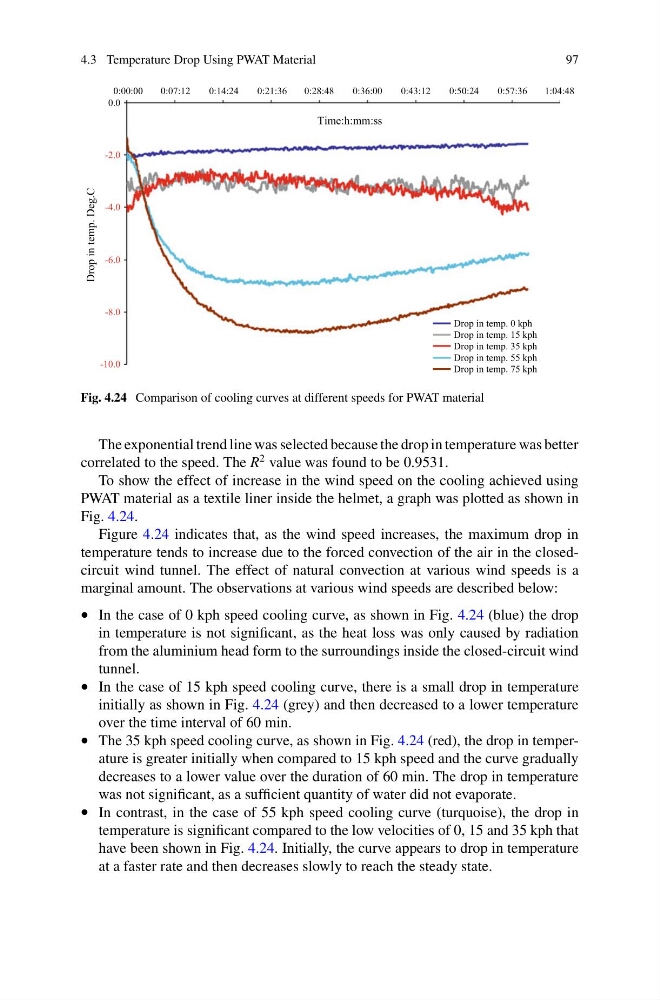
Fig. 4.24 Comparison of cooling curves at different speeds for PWAT material
The exponential trend line was selected because the drop in temperature was better
correlated to the speed. The R
2 value was found to be 0.9531.
To show the effect of increase in the wind speed on the cooling achieved using
PWAT material as a textile liner inside the helmet, a graph was plotted as shown in
Fig. 4.24.
Figure 4.24 indicates that, as the wind speed increases, the maximum drop in
temperature tends to increase due to the forced convection of the air in the closedcircuit wind tunnel. The effect of natural convection at various wind speeds is a
marginal amount. The observations at various wind speeds are described below:
• In the case of 0 kph speed cooling curve, as shown in Fig. 4.24 (blue) the drop
in temperature is not significant, as the heat loss was only caused by radiation
from the aluminium head form to the surroundings inside the closed-circuit wind
tunnel.
• In the case of 15 kph speed cooling curve, there is a small drop in temperature
initially as shown in Fig. 4.24 (grey) and then decreased to a lower temperature
over the time interval of 60 min.
• The 35 kph speed cooling curve, as shown in Fig. 4.24 (red), the drop in temperature is greater initially when compared to 15 kph speed and the curve gradually
decreases to a lower value over the duration of 60 min. The drop in temperature
was not significant, as a sufficient quantity of water did not evaporate.
• In contrast, in the case of 55 kph speed cooling curve (turquoise), the drop in
temperature is significant compared to the low velocities of 0, 15 and 35 kph that
have been shown in Fig. 4.24. Initially, the curve appears to drop in temperature
at a faster rate and then decreases slowly to reach the steady state.
97
Drop in temp. Deg.C
0:00:00
0:07:12
0:14:24
0:21:36
0:28:48
0:36:00
0:43:12
0:50:24
0:57:36
1:04:48
0.0
Time:h:mm:ss
-2.0
-4.0
-6.0
-8.0
-10.0
Drop in temp. 0 kph
Drop in temp. 15 kph
Drop in temp. 35 kph
Drop in temp. 55 kph
Drop in temp. 75 kph
Fig. 4.24 Comparison of cooling curves at different speeds for PWAT material
The exponential trend line was selected because the drop in temperature was better
correlated to the speed. The R
2 value was found to be 0.9531.
To show the effect of increase in the wind speed on the cooling achieved using
PWAT material as a textile liner inside the helmet, a graph was plotted as shown in
Fig. 4.24.
Figure 4.24 indicates that, as the wind speed increases, the maximum drop in
temperature tends to increase due to the forced convection of the air in the closedcircuit wind tunnel. The effect of natural convection at various wind speeds is a
marginal amount. The observations at various wind speeds are described below:
• In the case of 0 kph speed cooling curve, as shown in Fig. 4.24 (blue) the drop
in temperature is not significant, as the heat loss was only caused by radiation
from the aluminium head form to the surroundings inside the closed-circuit wind
tunnel.
• In the case of 15 kph speed cooling curve, there is a small drop in temperature
initially as shown in Fig. 4.24 (grey) and then decreased to a lower temperature
over the time interval of 60 min.
• The 35 kph speed cooling curve, as shown in Fig. 4.24 (red), the drop in temperature is greater initially when compared to 15 kph speed and the curve gradually
decreases to a lower value over the duration of 60 min. The drop in temperature
was not significant, as a sufficient quantity of water did not evaporate.
• In contrast, in the case of 55 kph speed cooling curve (turquoise), the drop in
temperature is significant compared to the low velocities of 0, 15 and 35 kph that
have been shown in Fig. 4.24. Initially, the curve appears to drop in temperature
at a faster rate and then decreases slowly to reach the steady state.