

much is left”. But having matrix we are facing borders that might be in close
proximity and in this sense heuristic as a number does not help us much and always.
Thus, Stephen Farrell has suggested to read heuristics as a vector and at each
step of path finding or routing search about destination we have to consider two
values that might navigate us toward destination more efficient way, provided of
cause—that “global heuristic” is also vector.
In other words, sitting in one corner of the network and having a direction to the
destination indicated and adjusted at every step we can move along keeping the
direction and watching—using local vector heuristic at each step. This enables us
finding much more efficient routing by all means. Figure 19.7 and comments for
each illustrates how it works.
But this all was and is about network level. How about inside job?
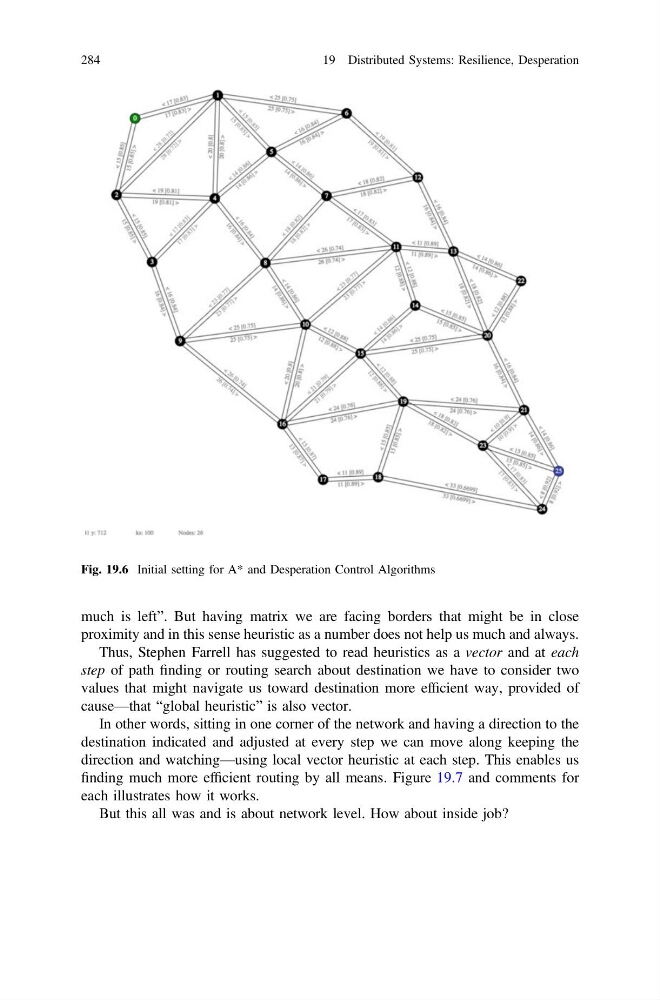
Fig. 19.6 Initial setting for A* and Desperation Control Algorithms
284
19 Distributed Systems: Resilience, Desperation
proximity and in this sense heuristic as a number does not help us much and always.
Thus, Stephen Farrell has suggested to read heuristics as a vector and at each
step of path finding or routing search about destination we have to consider two
values that might navigate us toward destination more efficient way, provided of
cause—that “global heuristic” is also vector.
In other words, sitting in one corner of the network and having a direction to the
destination indicated and adjusted at every step we can move along keeping the
direction and watching—using local vector heuristic at each step. This enables us
finding much more efficient routing by all means. Figure 19.7 and comments for
each illustrates how it works.
But this all was and is about network level. How about inside job?
Fig. 19.6 Initial setting for A* and Desperation Control Algorithms
284
19 Distributed Systems: Resilience, Desperation