

9.1.5.2 Application Examples
(1) Fundamental Principles
1. Between the missile-borne auxiliary energy and the main energy (propellant
of power plant), the interior of the missile-borne auxiliary energy must be
considered comprehensively on the premise of meeting the overall performance index of missile, which is the premise of determining the type of
missile-borne auxiliary energy.
2. From the point of view of reducing weight, reducing volume, compressing
energy types, convenient operation and use, making the design more economical and reasonable, generally speaking, as long as conditions permit,
comprehensive utilization of missile-borne auxiliary energy and common
source mode should be adopted as far as possible without affecting the
performance of relevant subsystems (energy users), which is the basis for
the selection of missile-borne auxiliary energy schemes.
3. When there are correlative cross-linkages in the related subsystems (energy
users), the missile-borne auxiliary energy must take effective technical
measures to remove cross-linkages or improve the cross-linkage situation,
so as to create conditions for comprehensive utilization and Realization of
common sources.
4. If there are special requirements and restrictions (including nontechnical
factors), the missile-borne auxiliary energy can only be allocated separately,
using a separate source scheme.
(2) Looking at the Technology Development of Missile-borne Auxiliary Energy
through the Evolution from Sparrow Series to Aspide
In Sparrow series missile-borne auxiliary energy sources, the power source (gas
turbine generator), the seeker antenna hydraulic energy source (gas turbocharged piston accumulator), and the pilot steering gear hydraulic source
(nitrogen turbocharged capsule accumulator) are separated and self-sufficient,
as shown in Fig. 9.26. The advantages of this kind of self-contained energy are
each energy source is completely independent and does not interfere with each
other. There is no problem of “interconnection” between energy sources. The
Missile-on Battery
Motor
Filter device
Special Battery
Pressure Compensation
Variable Pump
Oil tank
Decompressor Accumulator
High pressure nitrogen cylinder
Electrical equipment Pressure
Compensation Variable Pump
nt
Hydraulic steering gear Pressure
Compensation Variable Pump nt
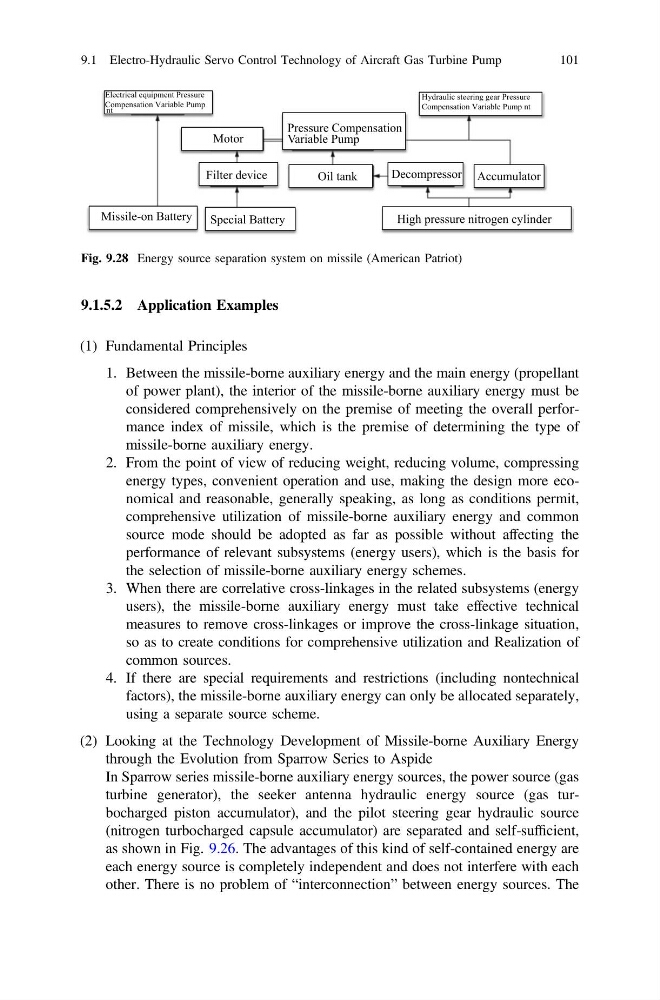
Fig. 9.28 Energy source separation system on missile (American Patriot)
9.1 Electro-Hydraulic Servo Control Technology of Aircraft Gas Turbine Pump
101
(1) Fundamental Principles
1. Between the missile-borne auxiliary energy and the main energy (propellant
of power plant), the interior of the missile-borne auxiliary energy must be
considered comprehensively on the premise of meeting the overall performance index of missile, which is the premise of determining the type of
missile-borne auxiliary energy.
2. From the point of view of reducing weight, reducing volume, compressing
energy types, convenient operation and use, making the design more economical and reasonable, generally speaking, as long as conditions permit,
comprehensive utilization of missile-borne auxiliary energy and common
source mode should be adopted as far as possible without affecting the
performance of relevant subsystems (energy users), which is the basis for
the selection of missile-borne auxiliary energy schemes.
3. When there are correlative cross-linkages in the related subsystems (energy
users), the missile-borne auxiliary energy must take effective technical
measures to remove cross-linkages or improve the cross-linkage situation,
so as to create conditions for comprehensive utilization and Realization of
common sources.
4. If there are special requirements and restrictions (including nontechnical
factors), the missile-borne auxiliary energy can only be allocated separately,
using a separate source scheme.
(2) Looking at the Technology Development of Missile-borne Auxiliary Energy
through the Evolution from Sparrow Series to Aspide
In Sparrow series missile-borne auxiliary energy sources, the power source (gas
turbine generator), the seeker antenna hydraulic energy source (gas turbocharged piston accumulator), and the pilot steering gear hydraulic source
(nitrogen turbocharged capsule accumulator) are separated and self-sufficient,
as shown in Fig. 9.26. The advantages of this kind of self-contained energy are
each energy source is completely independent and does not interfere with each
other. There is no problem of “interconnection” between energy sources. The
Missile-on Battery
Motor
Filter device
Special Battery
Pressure Compensation
Variable Pump
Oil tank
Decompressor Accumulator
High pressure nitrogen cylinder
Electrical equipment Pressure
Compensation Variable Pump
nt
Hydraulic steering gear Pressure
Compensation Variable Pump nt
Fig. 9.28 Energy source separation system on missile (American Patriot)
9.1 Electro-Hydraulic Servo Control Technology of Aircraft Gas Turbine Pump
101