

systematic analysis of data becomes an important part of any study, as it would
further help to understand the entire mechanism of biomolecular action. Advances
in crystallization, NMR, and computational methods are directly influencing and
accelerating the drug discovery process.
2 Drug Discovery Process
Discovering a new drug is a very complex, time-consuming, expensive, and high-risk
process for R&D and pharmaceutical laboratories [14–16]. It is also a multi-step
process involving target identification, target validation, and screening of small
molecules for validated targets. These steps need to be made easy, cost-effective, and
fast. Computational method like computer aided drug discovery is one such process
that involves identifying new ligand molecules for a particular target protein, which is
an important step in drug discovery. Historically, the drug discovery process was
involved extraction of chemical compounds from natural resources and testing them
in the cell for disease treatment [17]. With the advancement of technology and ability
to chemically synthesize small chemical moieties, various drug databases came into
existence. The availability of vast structural resource of small molecules has made
high-throughput screening of these databases against target protein a more feasible
practice. Also, increasing affinity and reducing toxicity of already available ligand
molecules needs to be addressed in drug discovery process.
Drug discovery process involves the following steps: (1) target identification,
(2) validation of target protein, (3) creation of small molecule database,
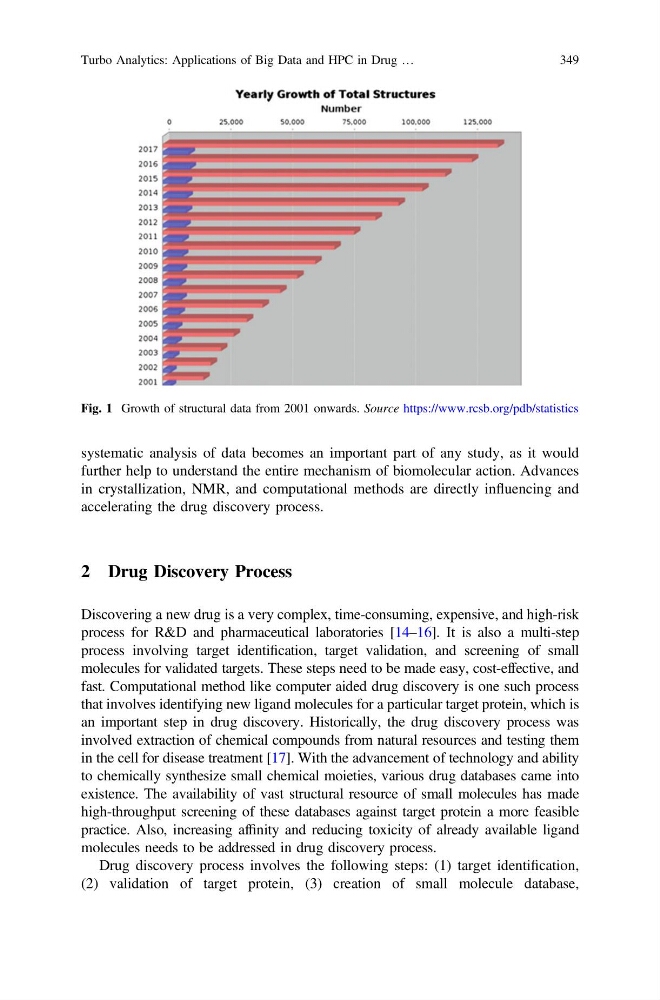
Fig. 1 Growth of structural data from 2001 onwards. Source https://www.rcsb.org/pdb/statistics
Turbo Analytics: Applications of Big Data and HPC in Drug …
349
further help to understand the entire mechanism of biomolecular action. Advances
in crystallization, NMR, and computational methods are directly influencing and
accelerating the drug discovery process.
2 Drug Discovery Process
Discovering a new drug is a very complex, time-consuming, expensive, and high-risk
process for R&D and pharmaceutical laboratories [14–16]. It is also a multi-step
process involving target identification, target validation, and screening of small
molecules for validated targets. These steps need to be made easy, cost-effective, and
fast. Computational method like computer aided drug discovery is one such process
that involves identifying new ligand molecules for a particular target protein, which is
an important step in drug discovery. Historically, the drug discovery process was
involved extraction of chemical compounds from natural resources and testing them
in the cell for disease treatment [17]. With the advancement of technology and ability
to chemically synthesize small chemical moieties, various drug databases came into
existence. The availability of vast structural resource of small molecules has made
high-throughput screening of these databases against target protein a more feasible
practice. Also, increasing affinity and reducing toxicity of already available ligand
molecules needs to be addressed in drug discovery process.
Drug discovery process involves the following steps: (1) target identification,
(2) validation of target protein, (3) creation of small molecule database,
Fig. 1 Growth of structural data from 2001 onwards. Source https://www.rcsb.org/pdb/statistics
Turbo Analytics: Applications of Big Data and HPC in Drug …
349