

in case of HIV proteases binding with ligands that differ by single functional group,
by Freire et al. [140]. It may also happen that all available features in the active sites
are not satisfied or they may be satisfied by different orientations or conformation of
complementary features in ligands. Hence, it is imperative to have prior knowledge
of biological function of active site of receptor and detail mapping/association of
the subsites with different functional groups in ligand, before starting the docking of
large number of ligands to evaluate the binding competency.
Using cliques of favorable interaction points at active site, emerging from probes
of different chemical features among a class of protein, specificity pharmacophore
has been generated [141, 142].
This novel method provides a complementary map of a class of active sites for
designing new chemical entities which specific as well as selective for the receptors.
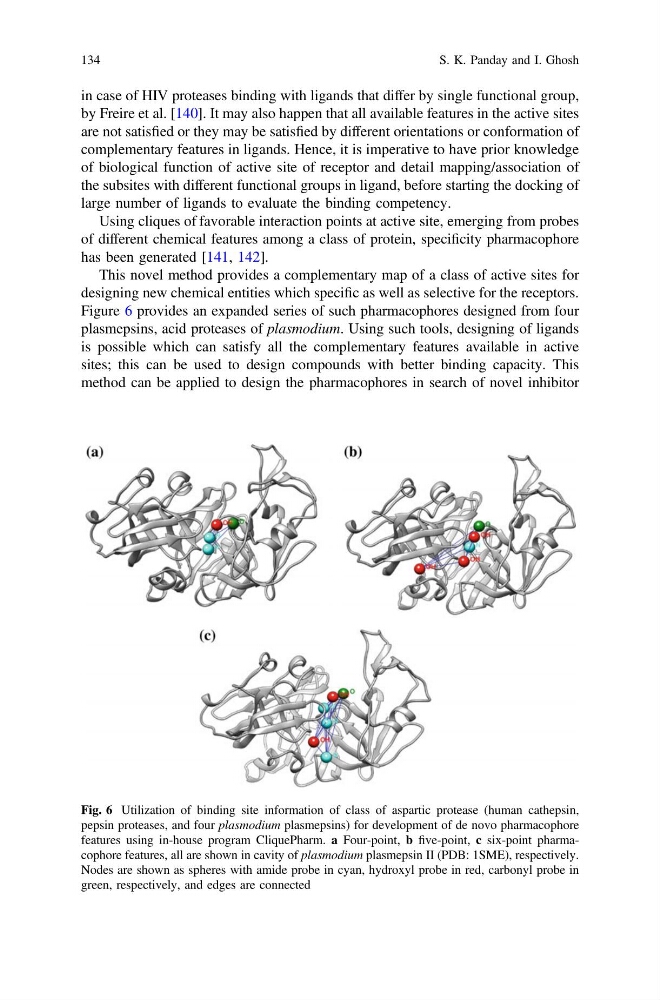
Figure 6 provides an expanded series of such pharmacophores designed from four
plasmepsins, acid proteases of plasmodium. Using such tools, designing of ligands
is possible which can satisfy all the complementary features available in active
sites; this can be used to design compounds with better binding capacity. This
method can be applied to design the pharmacophores in search of novel inhibitor
Fig. 6 Utilization of binding site information of class of aspartic protease (human cathepsin,
pepsin proteases, and four plasmodium plasmepsins) for development of de novo pharmacophore
features using in-house program CliquePharm. a Four-point, b five-point, c six-point pharmacophore features, all are shown in cavity of plasmodium plasmepsin II (PDB: 1SME), respectively.
Nodes are shown as spheres with amide probe in cyan, hydroxyl probe in red, carbonyl probe in
green, respectively, and edges are connected
134
S. K. Panday and I. Ghosh
by Freire et al. [140]. It may also happen that all available features in the active sites
are not satisfied or they may be satisfied by different orientations or conformation of
complementary features in ligands. Hence, it is imperative to have prior knowledge
of biological function of active site of receptor and detail mapping/association of
the subsites with different functional groups in ligand, before starting the docking of
large number of ligands to evaluate the binding competency.
Using cliques of favorable interaction points at active site, emerging from probes
of different chemical features among a class of protein, specificity pharmacophore
has been generated [141, 142].
This novel method provides a complementary map of a class of active sites for
designing new chemical entities which specific as well as selective for the receptors.
Figure 6 provides an expanded series of such pharmacophores designed from four
plasmepsins, acid proteases of plasmodium. Using such tools, designing of ligands
is possible which can satisfy all the complementary features available in active
sites; this can be used to design compounds with better binding capacity. This
method can be applied to design the pharmacophores in search of novel inhibitor
Fig. 6 Utilization of binding site information of class of aspartic protease (human cathepsin,
pepsin proteases, and four plasmodium plasmepsins) for development of de novo pharmacophore
features using in-house program CliquePharm. a Four-point, b five-point, c six-point pharmacophore features, all are shown in cavity of plasmodium plasmepsin II (PDB: 1SME), respectively.
Nodes are shown as spheres with amide probe in cyan, hydroxyl probe in red, carbonyl probe in
green, respectively, and edges are connected
134
S. K. Panday and I. Ghosh