

78
F. Cheng
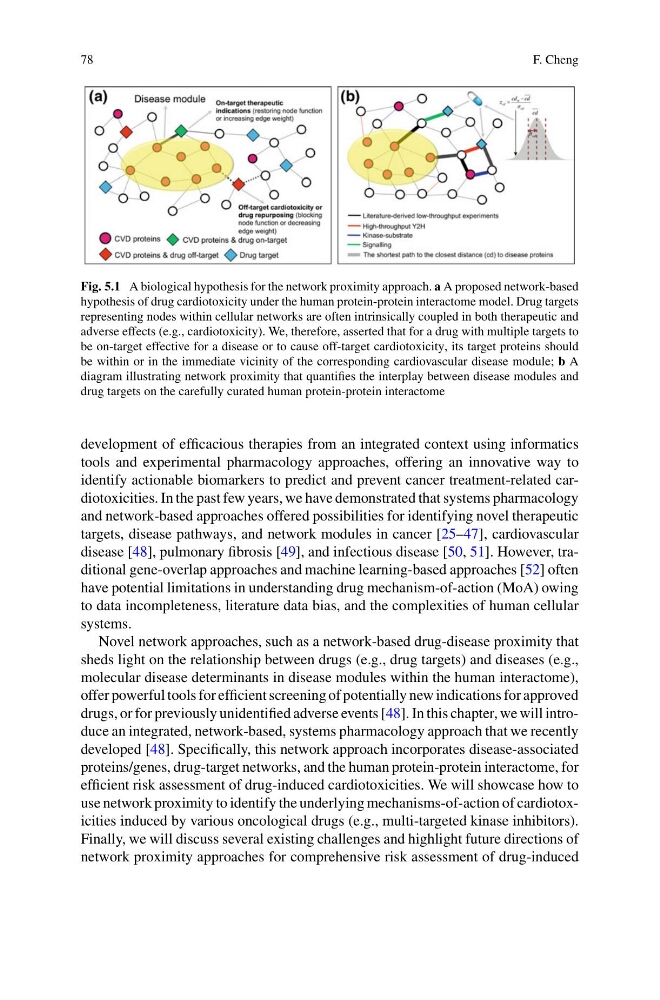
Fig. 5.1 A biological hypothesis for the network proximity approach. a A proposed network-based
hypothesis of drug cardiotoxicity under the human protein-protein interactome model. Drug targets
representing nodes within cellular networks are often intrinsically coupled in both therapeutic and
adverse effects (e.g., cardiotoxicity). We, therefore, asserted that for a drug with multiple targets to
be on-target effective for a disease or to cause off-target cardiotoxicity, its target proteins should
be within or in the immediate vicinity of the corresponding cardiovascular disease module; b A
diagram illustrating network proximity that quantifies the interplay between disease modules and
drug targets on the carefully curated human protein-protein interactome
development of efficacious therapies from an integrated context using informatics
tools and experimental pharmacology approaches, offering an innovative way to
identify actionable biomarkers to predict and prevent cancer treatment-related cardiotoxicities. In the past few years, we have demonstrated that systems pharmacology
and network-based approaches offered possibilities for identifying novel therapeutic
targets, disease pathways, and network modules in cancer [25–47], cardiovascular
disease [48], pulmonary fibrosis [49], and infectious disease [50, 51]. However, traditional gene-overlap approaches and machine learning-based approaches [52] often
have potential limitations in understanding drug mechanism-of-action (MoA) owing
to data incompleteness, literature data bias, and the complexities of human cellular
systems.
Novel network approaches, such as a network-based drug-disease proximity that
sheds light on the relationship between drugs (e.g., drug targets) and diseases (e.g.,
molecular disease determinants in disease modules within the human interactome),
offer powerful tools for efficient screening of potentially new indications for approved
drugs, or for previously unidentified adverse events [48]. In this chapter, we will introduce an integrated, network-based, systems pharmacology approach that we recently
developed [48]. Specifically, this network approach incorporates disease-associated
proteins/genes, drug-target networks, and the human protein-protein interactome, for
efficient risk assessment of drug-induced cardiotoxicities. We will showcase how to
use network proximity to identify the underlying mechanisms-of-action of cardiotoxicities induced by various oncological drugs (e.g., multi-targeted kinase inhibitors).
Finally, we will discuss several existing challenges and highlight future directions of
network proximity approaches for comprehensive risk assessment of drug-induced
F. Cheng
Fig. 5.1 A biological hypothesis for the network proximity approach. a A proposed network-based
hypothesis of drug cardiotoxicity under the human protein-protein interactome model. Drug targets
representing nodes within cellular networks are often intrinsically coupled in both therapeutic and
adverse effects (e.g., cardiotoxicity). We, therefore, asserted that for a drug with multiple targets to
be on-target effective for a disease or to cause off-target cardiotoxicity, its target proteins should
be within or in the immediate vicinity of the corresponding cardiovascular disease module; b A
diagram illustrating network proximity that quantifies the interplay between disease modules and
drug targets on the carefully curated human protein-protein interactome
development of efficacious therapies from an integrated context using informatics
tools and experimental pharmacology approaches, offering an innovative way to
identify actionable biomarkers to predict and prevent cancer treatment-related cardiotoxicities. In the past few years, we have demonstrated that systems pharmacology
and network-based approaches offered possibilities for identifying novel therapeutic
targets, disease pathways, and network modules in cancer [25–47], cardiovascular
disease [48], pulmonary fibrosis [49], and infectious disease [50, 51]. However, traditional gene-overlap approaches and machine learning-based approaches [52] often
have potential limitations in understanding drug mechanism-of-action (MoA) owing
to data incompleteness, literature data bias, and the complexities of human cellular
systems.
Novel network approaches, such as a network-based drug-disease proximity that
sheds light on the relationship between drugs (e.g., drug targets) and diseases (e.g.,
molecular disease determinants in disease modules within the human interactome),
offer powerful tools for efficient screening of potentially new indications for approved
drugs, or for previously unidentified adverse events [48]. In this chapter, we will introduce an integrated, network-based, systems pharmacology approach that we recently
developed [48]. Specifically, this network approach incorporates disease-associated
proteins/genes, drug-target networks, and the human protein-protein interactome, for
efficient risk assessment of drug-induced cardiotoxicities. We will showcase how to
use network proximity to identify the underlying mechanisms-of-action of cardiotoxicities induced by various oncological drugs (e.g., multi-targeted kinase inhibitors).
Finally, we will discuss several existing challenges and highlight future directions of
network proximity approaches for comprehensive risk assessment of drug-induced