

140
Q.-Q. Cai et al.
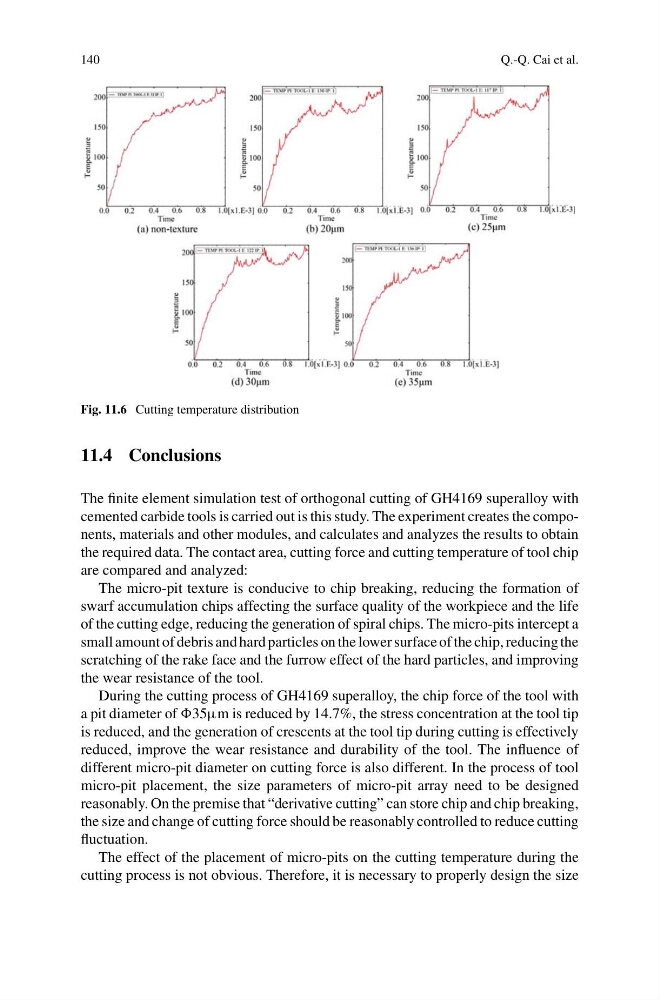
Fig. 11.6 Cutting temperature distribution
11.4 Conclusions
The finite element simulation test of orthogonal cutting of GH4169 superalloy with
cemented carbide tools is carried out is this study. The experiment creates the components, materials and other modules, and calculates and analyzes the results to obtain
the required data. The contact area, cutting force and cutting temperature of tool chip
are compared and analyzed:
The micro-pit texture is conducive to chip breaking, reducing the formation of
swarf accumulation chips affecting the surface quality of the workpiece and the life
of the cutting edge, reducing the generation of spiral chips. The micro-pits intercept a
small amount of debris and hard particles on the lower surface of the chip, reducing the
scratching of the rake face and the furrow effect of the hard particles, and improving
the wear resistance of the tool.
During the cutting process of GH4169 superalloy, the chip force of the tool with
a pit diameter of 35µm is reduced by 14.7%, the stress concentration at the tool tip
is reduced, and the generation of crescents at the tool tip during cutting is effectively
reduced, improve the wear resistance and durability of the tool. The influence of
different micro-pit diameter on cutting force is also different. In the process of tool
micro-pit placement, the size parameters of micro-pit array need to be designed
reasonably. On the premise that “derivative cutting” can store chip and chip breaking,
the size and change of cutting force should be reasonably controlled to reduce cutting
fluctuation.
The effect of the placement of micro-pits on the cutting temperature during the
cutting process is not obvious. Therefore, it is necessary to properly design the size
Q.-Q. Cai et al.
Fig. 11.6 Cutting temperature distribution
11.4 Conclusions
The finite element simulation test of orthogonal cutting of GH4169 superalloy with
cemented carbide tools is carried out is this study. The experiment creates the components, materials and other modules, and calculates and analyzes the results to obtain
the required data. The contact area, cutting force and cutting temperature of tool chip
are compared and analyzed:
The micro-pit texture is conducive to chip breaking, reducing the formation of
swarf accumulation chips affecting the surface quality of the workpiece and the life
of the cutting edge, reducing the generation of spiral chips. The micro-pits intercept a
small amount of debris and hard particles on the lower surface of the chip, reducing the
scratching of the rake face and the furrow effect of the hard particles, and improving
the wear resistance of the tool.
During the cutting process of GH4169 superalloy, the chip force of the tool with
a pit diameter of 35µm is reduced by 14.7%, the stress concentration at the tool tip
is reduced, and the generation of crescents at the tool tip during cutting is effectively
reduced, improve the wear resistance and durability of the tool. The influence of
different micro-pit diameter on cutting force is also different. In the process of tool
micro-pit placement, the size parameters of micro-pit array need to be designed
reasonably. On the premise that “derivative cutting” can store chip and chip breaking,
the size and change of cutting force should be reasonably controlled to reduce cutting
fluctuation.
The effect of the placement of micro-pits on the cutting temperature during the
cutting process is not obvious. Therefore, it is necessary to properly design the size