

Allies had already done so, and the almost non-existent relationship between
their scientists and the German Operational Command, gave the Allies a
huge advantage.
23 In contrast, the British scientific community were completely integrated with the industrial war effort and it is against this whole
background that we have to rationalise Robert’s war.
17.3 Robert’s War 1939–1945
Robert Le Rossignol—unlike his brother Herbert—seems to have had no
inclination whatsoever towards a military life, and by the time the second
world war broke out he was already fifty-five years old and beyond conscription. What remains in the public domain of Robert’s war is due almost
entirely to the Diary of Clifford Paterson,
1 which has been transcribed by
Robert Clayton and Joan Algar and published by Peter Peregrinus Ltd.
Paterson makes over 50 references to Le Rossignol
25 over the war years
reflecting his position as a senior member of the Laboratories, and through
these it is possible to construct a chronology of Robert’s war and the work he
undertook. In turn, some of these references can be expanded to provide a
more complete understanding of the importance of Robert’s involvement
within the areas the Government asked the Laboratories to address. Even so,
the diary only provides us with a ‘course-grained’ picture of Robert during
wartime.
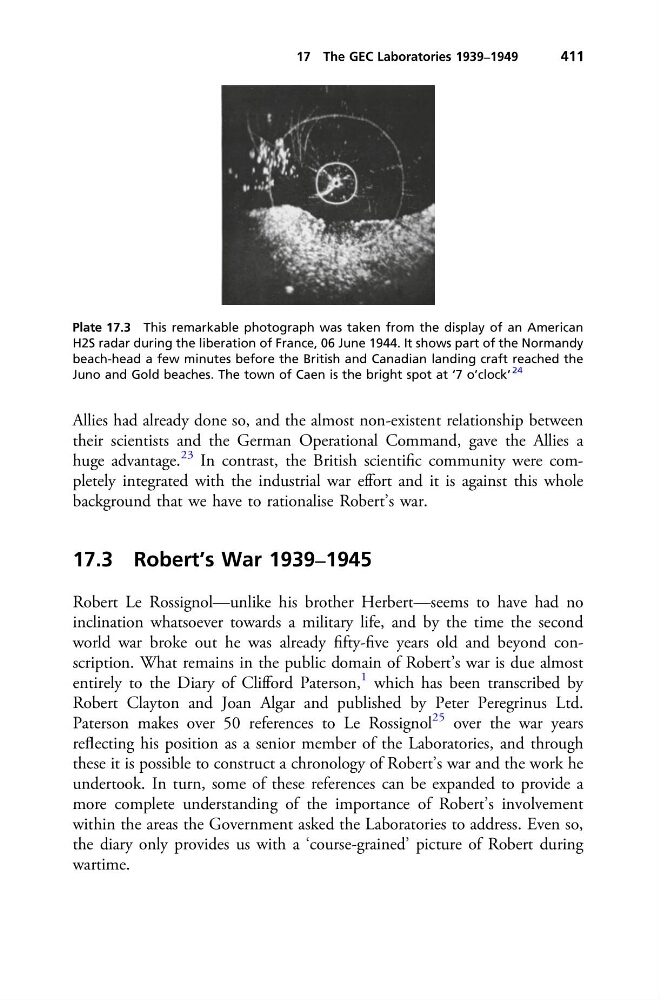
Plate 17.3 This remarkable photograph was taken from the display of an American
H2S radar during the liberation of France, 06 June 1944. It shows part of the Normandy
beach-head a few minutes before the British and Canadian landing craft reached the
Juno and Gold beaches. The town of Caen is the bright spot at ‘7 o’clock’
24
17 The GEC Laboratories 1939–1949
411
their scientists and the German Operational Command, gave the Allies a
huge advantage.
23 In contrast, the British scientific community were completely integrated with the industrial war effort and it is against this whole
background that we have to rationalise Robert’s war.
17.3 Robert’s War 1939–1945
Robert Le Rossignol—unlike his brother Herbert—seems to have had no
inclination whatsoever towards a military life, and by the time the second
world war broke out he was already fifty-five years old and beyond conscription. What remains in the public domain of Robert’s war is due almost
entirely to the Diary of Clifford Paterson,
1 which has been transcribed by
Robert Clayton and Joan Algar and published by Peter Peregrinus Ltd.
Paterson makes over 50 references to Le Rossignol
25 over the war years
reflecting his position as a senior member of the Laboratories, and through
these it is possible to construct a chronology of Robert’s war and the work he
undertook. In turn, some of these references can be expanded to provide a
more complete understanding of the importance of Robert’s involvement
within the areas the Government asked the Laboratories to address. Even so,
the diary only provides us with a ‘course-grained’ picture of Robert during
wartime.
Plate 17.3 This remarkable photograph was taken from the display of an American
H2S radar during the liberation of France, 06 June 1944. It shows part of the Normandy
beach-head a few minutes before the British and Canadian landing craft reached the
Juno and Gold beaches. The town of Caen is the bright spot at ‘7 o’clock’
24
17 The GEC Laboratories 1939–1949
411