

All across Germany on the morning of 06 November 1914, the internment
of British nationals began.
17 Apart from women, children, and men over
fifty-five, only doctors, priests, ‘lunatics’ and those too ill to leave their sick
beds were excluded from the new measures. The whole process was completed within three weeks which according to a note issued by the Reich
Chancellor
18 was to proceed ‘firmly’ … but ‘without brutality’.
Civilians were normally arrested in their own homes and held at local
police stations or prisons before being taken (by train) to Berlin. There were
conflicting reports of their treatment. A few internees—very few—recalled
being treated with some consideration, being allowed to travel to Berlin in
comfort, free from unnecessary distress and being permitted to procure
provisions on the way. But others recall children coming onto the railway
stations to jeer at them or being spat at and reviled for the whole of their
journey. Such was the intensity of feeling at the time that even some members
of the German Red Cross refused to hand out food and drink, and youngsters
selling freshly cooked sausages on the stations along the way often pushed the
steaming delicacies in through the internees’ carriage windows before withdrawing them then shaking their fists and muttering ‘English pig-dogs!’
19
Overall, the common experience of the internee was that despite the nicety of
the official guidelines, orders had been issued ‘from above’ to treat British
civilians along the same lines as convicts. Many were driven around their
point of ‘capture’ in Black Marias; they were often forced to carry their
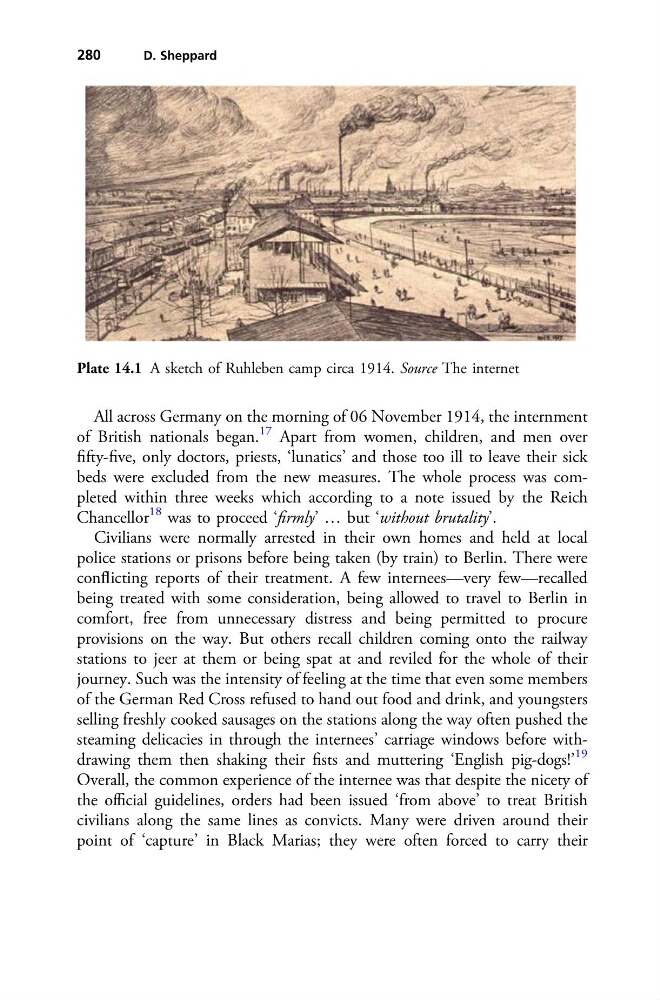
Plate 14.1 A sketch of Ruhleben camp circa 1914. Source The internet
280
D. Sheppard
of British nationals began.
17 Apart from women, children, and men over
fifty-five, only doctors, priests, ‘lunatics’ and those too ill to leave their sick
beds were excluded from the new measures. The whole process was completed within three weeks which according to a note issued by the Reich
Chancellor
18 was to proceed ‘firmly’ … but ‘without brutality’.
Civilians were normally arrested in their own homes and held at local
police stations or prisons before being taken (by train) to Berlin. There were
conflicting reports of their treatment. A few internees—very few—recalled
being treated with some consideration, being allowed to travel to Berlin in
comfort, free from unnecessary distress and being permitted to procure
provisions on the way. But others recall children coming onto the railway
stations to jeer at them or being spat at and reviled for the whole of their
journey. Such was the intensity of feeling at the time that even some members
of the German Red Cross refused to hand out food and drink, and youngsters
selling freshly cooked sausages on the stations along the way often pushed the
steaming delicacies in through the internees’ carriage windows before withdrawing them then shaking their fists and muttering ‘English pig-dogs!’
19
Overall, the common experience of the internee was that despite the nicety of
the official guidelines, orders had been issued ‘from above’ to treat British
civilians along the same lines as convicts. Many were driven around their
point of ‘capture’ in Black Marias; they were often forced to carry their
Plate 14.1 A sketch of Ruhleben camp circa 1914. Source The internet
280
D. Sheppard