

especially the nobility and the literate craftsmen. Given religious liberty by the
‘Edict of Nantes’, the Huguenots eventually established themselves as loyal
subjects of the Crown. Later under Louis XIV, their position became insecure
because they were increasingly perceived as a threat to the authority of the
monarch. Gradually, their privileges were eroded and in 1685 Louis exiled all
protestant pastors, at the same time forbidding the laity to leave. To the
surprise of the government however, many did leave, often at great risk.
Eventually, about 200,000 Huguenots escaped, settling largely in
non-catholic Europe. About 50,000 came to Great Britain and the Channel
Islands, with perhaps about 10,000 eventually moving on to Ireland. So,
there are many inhabitants of these islands who have Huguenot blood in their
veins, whether or not they still bear one of the hundreds of French names of
those who took refuge here—incidentally, bringing the word ‘refugee’ into
the English language. The link between the Huguenots and Jersey is strong.
The Le Bailly’s for example were Huguenots and they fled to Jersey in about
1749. Their story
7 has been handed down there, in various forms, and
illustrates the dangers families faced when fleeing France.
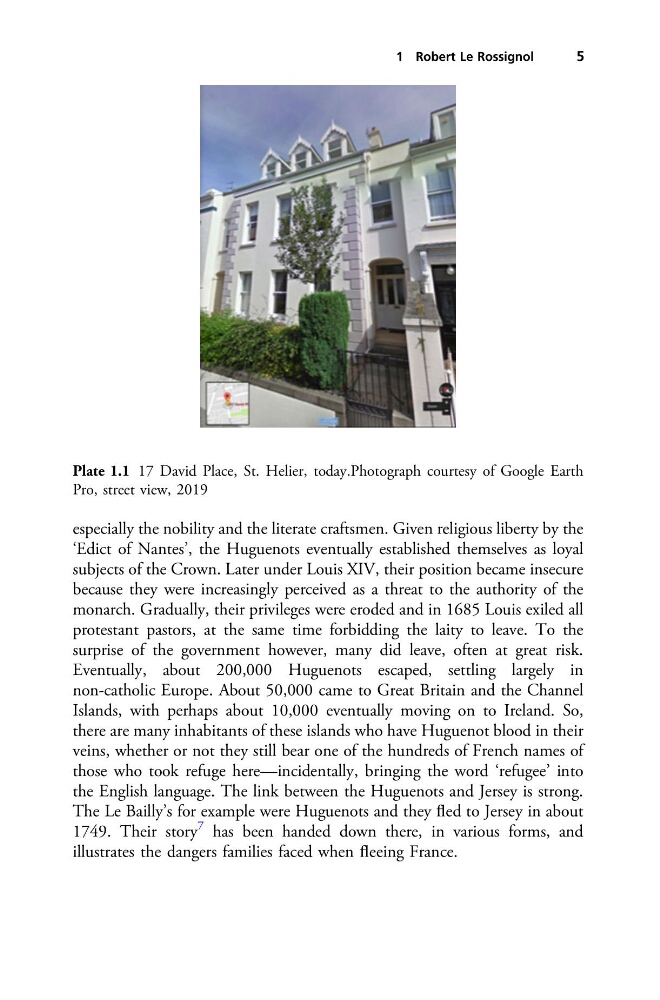
Plate 1.1 17 David Place, St. Helier, today.Photograph courtesy of Google Earth
Pro, street view, 2019
1 Robert Le Rossignol
5
‘Edict of Nantes’, the Huguenots eventually established themselves as loyal
subjects of the Crown. Later under Louis XIV, their position became insecure
because they were increasingly perceived as a threat to the authority of the
monarch. Gradually, their privileges were eroded and in 1685 Louis exiled all
protestant pastors, at the same time forbidding the laity to leave. To the
surprise of the government however, many did leave, often at great risk.
Eventually, about 200,000 Huguenots escaped, settling largely in
non-catholic Europe. About 50,000 came to Great Britain and the Channel
Islands, with perhaps about 10,000 eventually moving on to Ireland. So,
there are many inhabitants of these islands who have Huguenot blood in their
veins, whether or not they still bear one of the hundreds of French names of
those who took refuge here—incidentally, bringing the word ‘refugee’ into
the English language. The link between the Huguenots and Jersey is strong.
The Le Bailly’s for example were Huguenots and they fled to Jersey in about
1749. Their story
7 has been handed down there, in various forms, and
illustrates the dangers families faced when fleeing France.
Plate 1.1 17 David Place, St. Helier, today.Photograph courtesy of Google Earth
Pro, street view, 2019
1 Robert Le Rossignol
5