

Semantic Internet of Things (IoT) Interoperability …
411
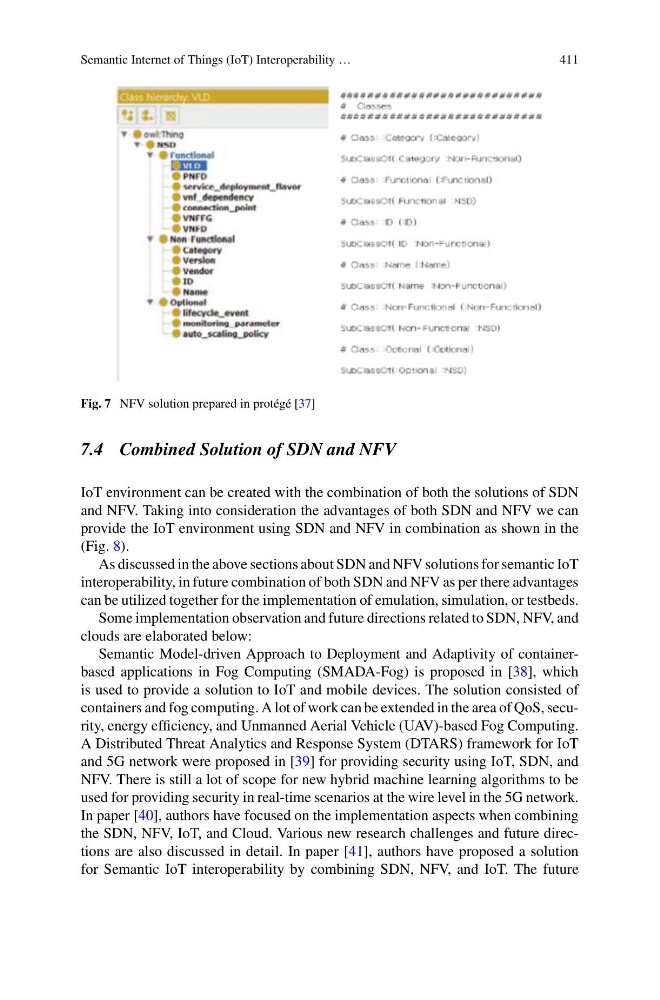
Fig. 7 NFV solution prepared in protégé [37]
7.4 Combined Solution of SDN and NFV
IoT environment can be created with the combination of both the solutions of SDN
and NFV. Taking into consideration the advantages of both SDN and NFV we can
provide the IoT environment using SDN and NFV in combination as shown in the
(Fig. 8).
As discussed in the above sections about SDN and NFV solutions for semantic IoT
interoperability, in future combination of both SDN and NFV as per there advantages
can be utilized together for the implementation of emulation, simulation, or testbeds.
Some implementation observation and future directions related to SDN, NFV, and
clouds are elaborated below:
Semantic Model-driven Approach to Deployment and Adaptivity of containerbased applications in Fog Computing (SMADA-Fog) is proposed in [38], which
is used to provide a solution to IoT and mobile devices. The solution consisted of
containers and fog computing. A lot of work can be extended in the area of QoS, security, energy efficiency, and Unmanned Aerial Vehicle (UAV)-based Fog Computing.
A Distributed Threat Analytics and Response System (DTARS) framework for IoT
and 5G network were proposed in [39] for providing security using IoT, SDN, and
NFV. There is still a lot of scope for new hybrid machine learning algorithms to be
used for providing security in real-time scenarios at the wire level in the 5G network.
In paper [40], authors have focused on the implementation aspects when combining
the SDN, NFV, IoT, and Cloud. Various new research challenges and future directions are also discussed in detail. In paper [41], authors have proposed a solution
for Semantic IoT interoperability by combining SDN, NFV, and IoT. The future
411
Fig. 7 NFV solution prepared in protégé [37]
7.4 Combined Solution of SDN and NFV
IoT environment can be created with the combination of both the solutions of SDN
and NFV. Taking into consideration the advantages of both SDN and NFV we can
provide the IoT environment using SDN and NFV in combination as shown in the
(Fig. 8).
As discussed in the above sections about SDN and NFV solutions for semantic IoT
interoperability, in future combination of both SDN and NFV as per there advantages
can be utilized together for the implementation of emulation, simulation, or testbeds.
Some implementation observation and future directions related to SDN, NFV, and
clouds are elaborated below:
Semantic Model-driven Approach to Deployment and Adaptivity of containerbased applications in Fog Computing (SMADA-Fog) is proposed in [38], which
is used to provide a solution to IoT and mobile devices. The solution consisted of
containers and fog computing. A lot of work can be extended in the area of QoS, security, energy efficiency, and Unmanned Aerial Vehicle (UAV)-based Fog Computing.
A Distributed Threat Analytics and Response System (DTARS) framework for IoT
and 5G network were proposed in [39] for providing security using IoT, SDN, and
NFV. There is still a lot of scope for new hybrid machine learning algorithms to be
used for providing security in real-time scenarios at the wire level in the 5G network.
In paper [40], authors have focused on the implementation aspects when combining
the SDN, NFV, IoT, and Cloud. Various new research challenges and future directions are also discussed in detail. In paper [41], authors have proposed a solution
for Semantic IoT interoperability by combining SDN, NFV, and IoT. The future