

on the difference in particle grain size) or magnetic separation (based on magnetic
induction). This method leads to a significant amount of volume reduction, but is not
applicable for contaminants that are homogeneously distributed in soil (Das and
Adholeya 2012).
15.2.2 Extraction and Storage
This process involves the separation of polluted soil cover, using a bulldozer or
digger, followed by its storage in an accurate place for clean-up by using different
technologies. The site where it is stored has to be covered to avoid erosion by wind
or water (Das and Adholeya 2012).
15.2.3 Soil Cover/Insulation
It is a physical process that involves the covering of contaminated soil, which is
composed of four layers: an upper protective layer, a drainage layer, a
non-permeable layer, and a base. This is applied where enormous contamination is
present underneath and separation as well as the removal of pollutants from the soil
is not possible (Das and Adholeya 2012).
15.2.4 Adsorption
In this method, the transfer of the solute molecule is carried out at the interface
present between two immiscible phases of the solvent that are in contact with each
other. The elimination of hazardous particles present in effluents released by textile
or paper and pulp industry is executed by the technique of adsorption on a suitable
material or on granular activated carbon (Shah 2014).
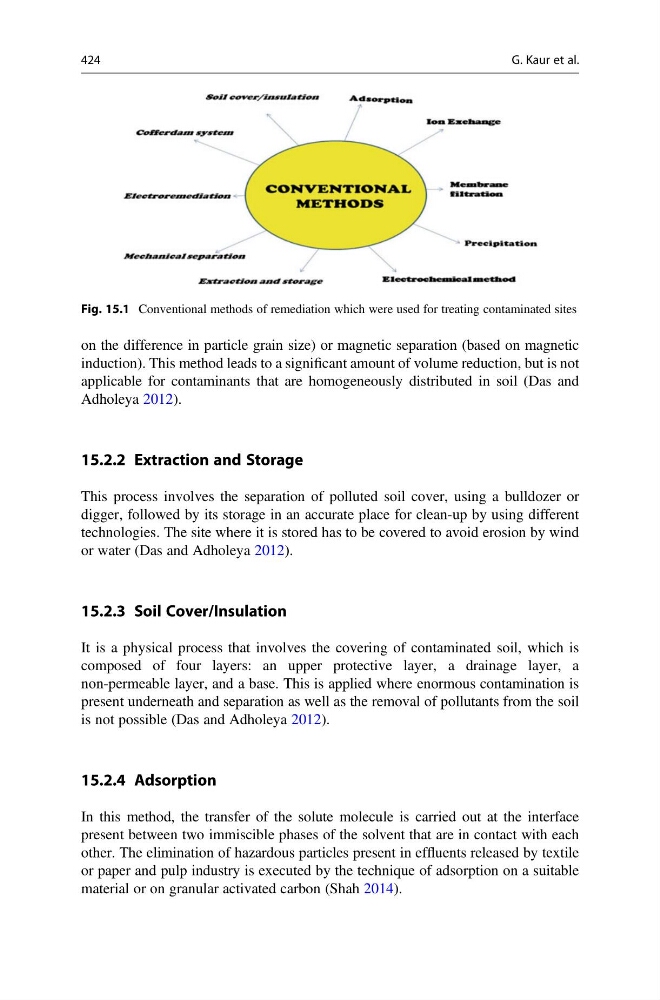
Fig. 15.1 Conventional methods of remediation which were used for treating contaminated sites
424
G. Kaur et al.
induction). This method leads to a significant amount of volume reduction, but is not
applicable for contaminants that are homogeneously distributed in soil (Das and
Adholeya 2012).
15.2.2 Extraction and Storage
This process involves the separation of polluted soil cover, using a bulldozer or
digger, followed by its storage in an accurate place for clean-up by using different
technologies. The site where it is stored has to be covered to avoid erosion by wind
or water (Das and Adholeya 2012).
15.2.3 Soil Cover/Insulation
It is a physical process that involves the covering of contaminated soil, which is
composed of four layers: an upper protective layer, a drainage layer, a
non-permeable layer, and a base. This is applied where enormous contamination is
present underneath and separation as well as the removal of pollutants from the soil
is not possible (Das and Adholeya 2012).
15.2.4 Adsorption
In this method, the transfer of the solute molecule is carried out at the interface
present between two immiscible phases of the solvent that are in contact with each
other. The elimination of hazardous particles present in effluents released by textile
or paper and pulp industry is executed by the technique of adsorption on a suitable
material or on granular activated carbon (Shah 2014).
Fig. 15.1 Conventional methods of remediation which were used for treating contaminated sites
424
G. Kaur et al.