

expensive by the high energy requirement, especially when the solutions contain of
1–100 mg metal per litre (Das et al. 2008). Therefore, the technical applicability,
cost-effectiveness and plant simplicity are the key factors in selecting the most
suitable treatment method to remove heavy metals. However, the biotechnology
offers alternative biological methods to the removal of heavy metals (Joo et al.
2015). Although the inorganic elements cannot be destroyed, microorganisms can
alter their redox state. Oxidation-reduction reactions mediated by microorganisms
help in the conversion of a highly toxic, soluble, and mobile species into a species
less soluble and toxic, e.g. the biological reduction of Cr(VI) to Cr(III). When some
metals as Cu, Zn, Ni, Cd, As, U, Np and Tc combines with the sulfide, hydroxide or
carbonate anion form salts whose solubility is low and precipitate in aqueous
solution.
13.3 Main Mechanisms of Biological Removal
13.3.1 Biosorption and Bioaccumulation
Biosorption is the most employed technique for the removing of metals in solution, it
is a form of passive uptake of metallic ions by a sorption material, and it can be an
alternative to the conventional technologies. Microbial biomass and agricultural
waste are biomaterials most used (Ahluwalia and Goyal 2007; Singh and Goyal
e
H
H
e
N
F
O
N
C
B
e
B
i
L
r
A
l
C
S
P
i
S
l
A
a
C
a
N
K
Mg
Sc
Ti
V
Cr
Mn
Fe
Co
Ni
Cu
Zn
Ga
Ge
As
Se
Br
Kr
Rd
Sr
Y
Zr
Nb
Mo
Tc
Ru
Rh
Pd
Ag
Cd
In
Sn
Sd
Te
I
Xe
Sc
Be
Lu
Hf
Ta
W
Re
Os
Ir
Pt
Au
Hg
Tl
Pb
Bi
Po
At
Rn
Fr
Ra
Lr
Rf
Db
Sg
Bh
Hs
Mt
Ds
Rg
Cn
Nh
Fl
Mc
Lv
Ts
Og
Macronutrients
Essencial elements life
Essencial elements for
some orgnisms.
Metalloids
Micronutrients for life
La
Ce
Pr
Nd
Pm
Sm
Eu
Gd
Tb
Dy
Ho
Er
Tm
Yb
Lu
Ac
Th
Pa
U
Np
Pu
Am
Cm
Bk
Cf
Es
Fm
Md
No
Lr
Actinide
Lanthanide
Toxic at high
concentration
Toxic metals
at very low
concentration
Toxic
nonmetals
IA
IIA
IIIA IVA VA VIA VIIA
Transition metals
Ideal gases
Family B
VIIIA
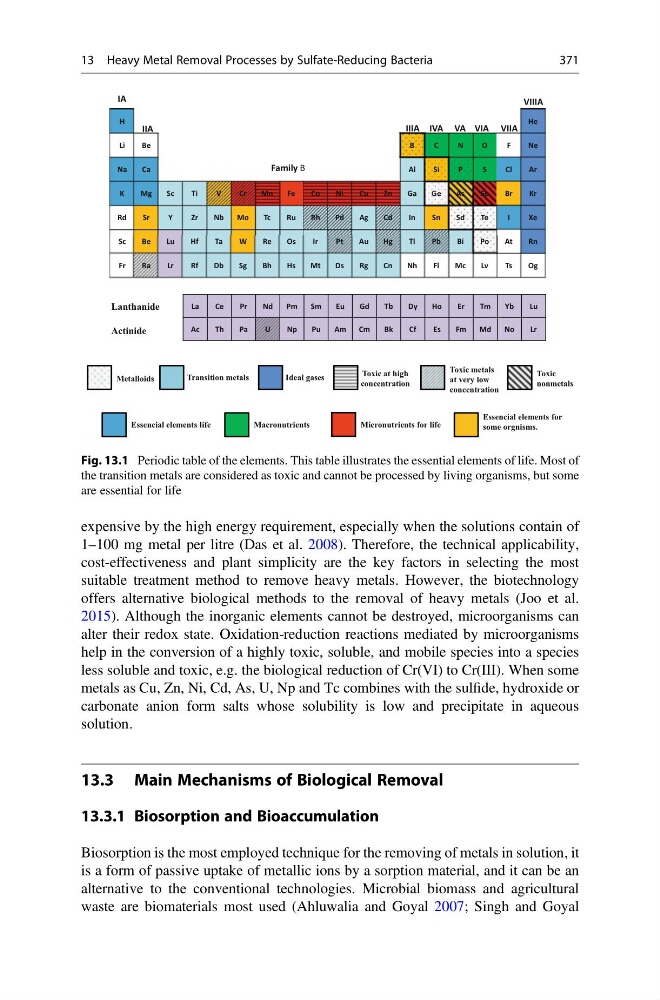
Fig. 13.1 Periodic table of the elements. This table illustrates the essential elements of life. Most of
the transition metals are considered as toxic and cannot be processed by living organisms, but some
are essential for life
13 Heavy Metal Removal Processes by Sulfate-Reducing Bacteria
371
1–100 mg metal per litre (Das et al. 2008). Therefore, the technical applicability,
cost-effectiveness and plant simplicity are the key factors in selecting the most
suitable treatment method to remove heavy metals. However, the biotechnology
offers alternative biological methods to the removal of heavy metals (Joo et al.
2015). Although the inorganic elements cannot be destroyed, microorganisms can
alter their redox state. Oxidation-reduction reactions mediated by microorganisms
help in the conversion of a highly toxic, soluble, and mobile species into a species
less soluble and toxic, e.g. the biological reduction of Cr(VI) to Cr(III). When some
metals as Cu, Zn, Ni, Cd, As, U, Np and Tc combines with the sulfide, hydroxide or
carbonate anion form salts whose solubility is low and precipitate in aqueous
solution.
13.3 Main Mechanisms of Biological Removal
13.3.1 Biosorption and Bioaccumulation
Biosorption is the most employed technique for the removing of metals in solution, it
is a form of passive uptake of metallic ions by a sorption material, and it can be an
alternative to the conventional technologies. Microbial biomass and agricultural
waste are biomaterials most used (Ahluwalia and Goyal 2007; Singh and Goyal
e
H
H
e
N
F
O
N
C
B
e
B
i
L
r
A
l
C
S
P
i
S
l
A
a
C
a
N
K
Mg
Sc
Ti
V
Cr
Mn
Fe
Co
Ni
Cu
Zn
Ga
Ge
As
Se
Br
Kr
Rd
Sr
Y
Zr
Nb
Mo
Tc
Ru
Rh
Pd
Ag
Cd
In
Sn
Sd
Te
I
Xe
Sc
Be
Lu
Hf
Ta
W
Re
Os
Ir
Pt
Au
Hg
Tl
Pb
Bi
Po
At
Rn
Fr
Ra
Lr
Rf
Db
Sg
Bh
Hs
Mt
Ds
Rg
Cn
Nh
Fl
Mc
Lv
Ts
Og
Macronutrients
Essencial elements life
Essencial elements for
some orgnisms.
Metalloids
Micronutrients for life
La
Ce
Pr
Nd
Pm
Sm
Eu
Gd
Tb
Dy
Ho
Er
Tm
Yb
Lu
Ac
Th
Pa
U
Np
Pu
Am
Cm
Bk
Cf
Es
Fm
Md
No
Lr
Actinide
Lanthanide
Toxic at high
concentration
Toxic metals
at very low
concentration
Toxic
nonmetals
IA
IIA
IIIA IVA VA VIA VIIA
Transition metals
Ideal gases
Family B
VIIIA
Fig. 13.1 Periodic table of the elements. This table illustrates the essential elements of life. Most of
the transition metals are considered as toxic and cannot be processed by living organisms, but some
are essential for life
13 Heavy Metal Removal Processes by Sulfate-Reducing Bacteria
371