

et al. 2013; Kim et al. 2014; Hsieh et al. 2015; Altobelli et al. 2016) and amplification of signal responses. New technologies like microfluidics, nanomaterials like
nanotubes/nanoparticles, and simpler strategies such as visible indication strategy,
and immuno/biochemical reactions in microchips are being developed. Most of the
existing chemosensors are fluorescence based. Chemosensor development focuses
on new stable fluorophore designing, integration of surface plasmon resonance with
fluorophores/optical fibers, and simple miniaturized tools for sensing toxic metal
ions/chemicals like pesticides in food/water or other significant environments.
Future research endeavors ought to focus on bringing these user-friendly
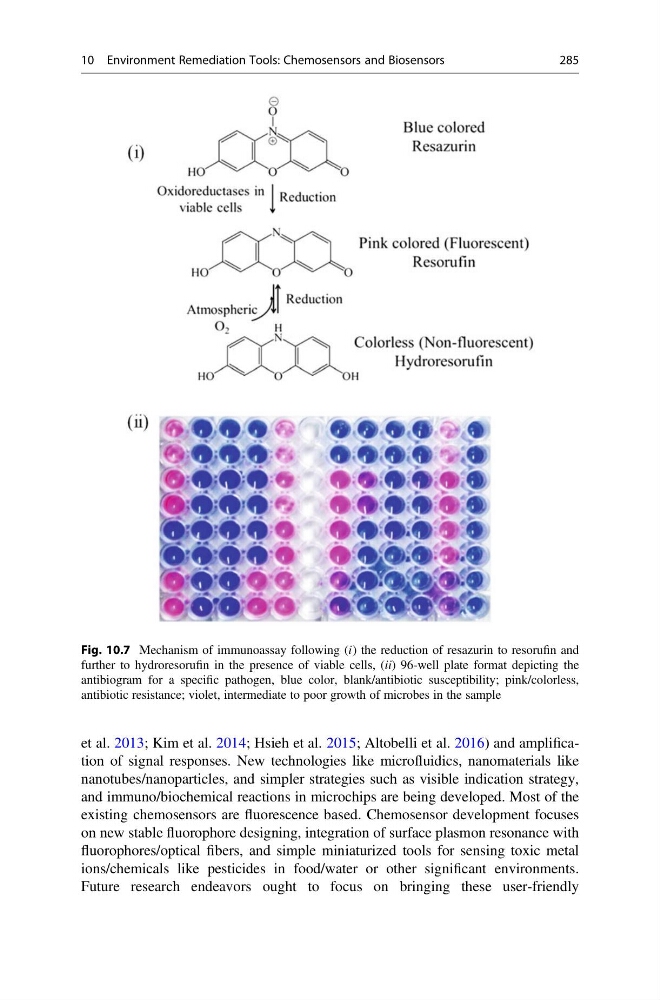
Fig. 10.7 Mechanism of immunoassay following (i) the reduction of resazurin to resorufin and
further to hydroresorufin in the presence of viable cells, (ii) 96-well plate format depicting the
antibiogram for a specific pathogen, blue color, blank/antibiotic susceptibility; pink/colorless,
antibiotic resistance; violet, intermediate to poor growth of microbes in the sample
10 Environment Remediation Tools: Chemosensors and Biosensors
285
nanotubes/nanoparticles, and simpler strategies such as visible indication strategy,
and immuno/biochemical reactions in microchips are being developed. Most of the
existing chemosensors are fluorescence based. Chemosensor development focuses
on new stable fluorophore designing, integration of surface plasmon resonance with
fluorophores/optical fibers, and simple miniaturized tools for sensing toxic metal
ions/chemicals like pesticides in food/water or other significant environments.
Future research endeavors ought to focus on bringing these user-friendly
Fig. 10.7 Mechanism of immunoassay following (i) the reduction of resazurin to resorufin and
further to hydroresorufin in the presence of viable cells, (ii) 96-well plate format depicting the
antibiogram for a specific pathogen, blue color, blank/antibiotic susceptibility; pink/colorless,
antibiotic resistance; violet, intermediate to poor growth of microbes in the sample
10 Environment Remediation Tools: Chemosensors and Biosensors
285