

6.3
Effects of Fluoride on Life Forms
Several studies found negative effects of F on human beings and plants also. F is
considered beneficial to health up to a certain limit (below 1.5 mg L
À1 ). It prevents
the tooth decay and considered necessary for the formation of dental enamels and
growth of strong bones especially among in children (Suthar et al. 2008). After a
certain level (>1.5 mg L
À1 ), it becomes a dangerous to human health and can cause
many health problems. Effects of F concentrations on human body are shown in
Table 6.1.
On the other side, above these concentrations and long-time exposure of this
cause chronic fluorine toxicity, known as fluorosis. Fluoride endemic areas people
have dental fluorosis with brown patches on teeth. Scratch and harm occur in high
toxic condition, with increased tooth porosity (Ozsvath 2009). During skeleton
fluorosis, joint problems increase with the mass and bone density. Extreme pain in
joint, hip and spine is an early symptom. Poker back spine is a late manifestation of
skeletal fluorosis in which the whole spine becomes a single bone column. In
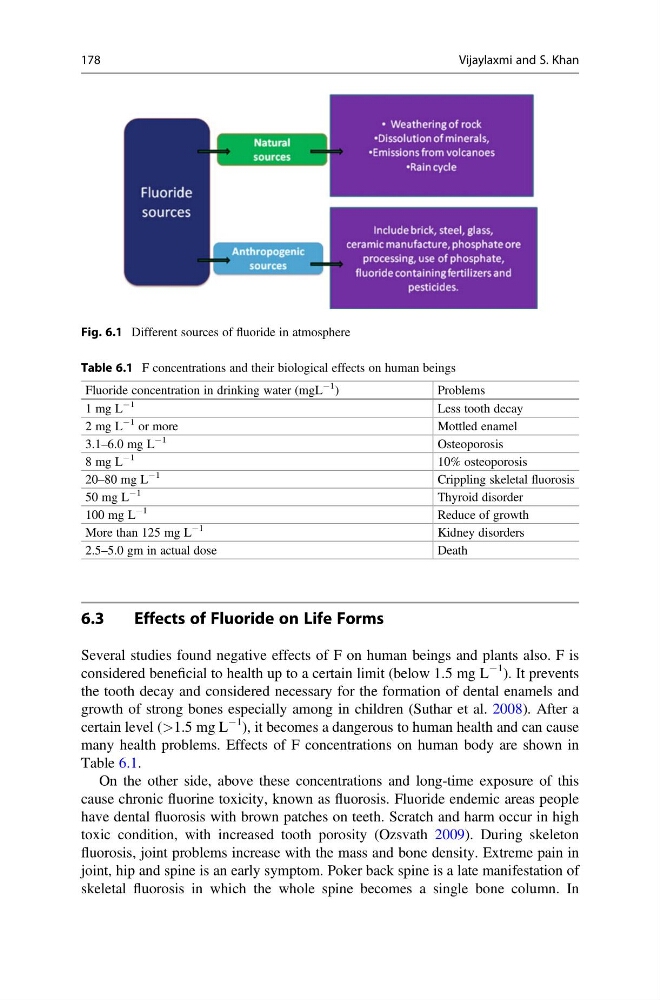
Fig. 6.1 Different sources of fluoride in atmosphere
Table 6.1 F concentrations and their biological effects on human beings
Fluoride concentration in drinking water (mgL
À1
)
Problems
1 mg L
À1
Less tooth decay
2 mg L
À1 or more
Mottled enamel
3.1–6.0 mg L
À1
Osteoporosis
8 mg L
À1
10% osteoporosis
20–80 mg L
À1
Crippling skeletal fluorosis
50 mg L
À1
Thyroid disorder
100 mg L
À1
Reduce of growth
More than 125 mg L
À1
Kidney disorders
2.5–5.0 gm in actual dose
Death
178
Vijaylaxmi and S. Khan
Effects of Fluoride on Life Forms
Several studies found negative effects of F on human beings and plants also. F is
considered beneficial to health up to a certain limit (below 1.5 mg L
À1 ). It prevents
the tooth decay and considered necessary for the formation of dental enamels and
growth of strong bones especially among in children (Suthar et al. 2008). After a
certain level (>1.5 mg L
À1 ), it becomes a dangerous to human health and can cause
many health problems. Effects of F concentrations on human body are shown in
Table 6.1.
On the other side, above these concentrations and long-time exposure of this
cause chronic fluorine toxicity, known as fluorosis. Fluoride endemic areas people
have dental fluorosis with brown patches on teeth. Scratch and harm occur in high
toxic condition, with increased tooth porosity (Ozsvath 2009). During skeleton
fluorosis, joint problems increase with the mass and bone density. Extreme pain in
joint, hip and spine is an early symptom. Poker back spine is a late manifestation of
skeletal fluorosis in which the whole spine becomes a single bone column. In
Fig. 6.1 Different sources of fluoride in atmosphere
Table 6.1 F concentrations and their biological effects on human beings
Fluoride concentration in drinking water (mgL
À1
)
Problems
1 mg L
À1
Less tooth decay
2 mg L
À1 or more
Mottled enamel
3.1–6.0 mg L
À1
Osteoporosis
8 mg L
À1
10% osteoporosis
20–80 mg L
À1
Crippling skeletal fluorosis
50 mg L
À1
Thyroid disorder
100 mg L
À1
Reduce of growth
More than 125 mg L
À1
Kidney disorders
2.5–5.0 gm in actual dose
Death
178
Vijaylaxmi and S. Khan