

leads to the generation of reactive oxygen species, with the capacity to damage the
internal organs, liver, and circulatory systems in the fishes and other marine organisms. The consumption of the contaminated seafood by humans, consequently paves
the way for the interaction of the toxic elements with the human body and his
surroundings. The more concentrated plastic particles are exhibiting more harmful
effects (Hahladakis et al. 2018), as there are higher possibilities for the common additives such as Bisphenol A (BPA) or Phthalates to leak out in higher doses in specific
tissues or organs. BPA has been first prepared in 1891, and the commercial production starts in the 1950s. It has found large scale applications in the manufacturing of
engineering plastics, food cans, metal equipment, dental items, cosmetics, toys,
and as additives in polyvinyl chloride (Table 2.6). BPA may be leached out during
the washing processes, and when kept in the containers, the BPA may get mixed
with the food. The main pathway of interaction with BPA is therefore through food,
although inhalation is also a possibility, which can all lead to fatality if absorbed in
high doses (Halden 2010). BPA is an endocrine disruptor (END), affects the reproductive system and immune system, and damages the neurological developmental
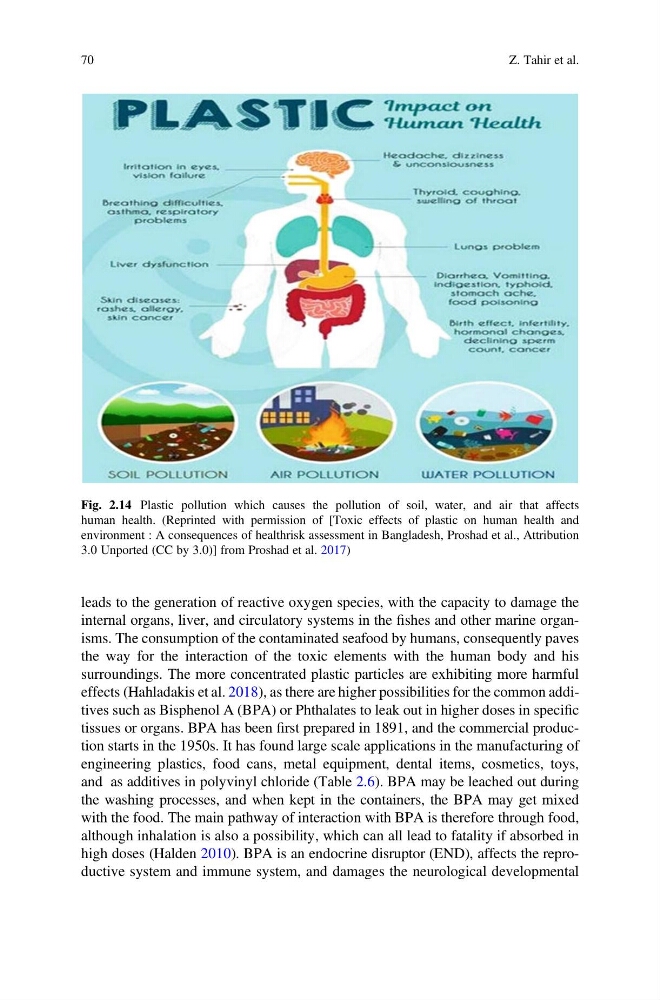
Fig. 2.14 Plastic pollution which causes the pollution of soil, water, and air that affects
human health. (Reprinted with permission of [Toxic effects of plastic on human health and
environment : A consequences of healthrisk assessment in Bangladesh, Proshad et al., Attribution
3.0 Unported (CC by 3.0)] from Proshad et al. 2017)
70
Z. Tahir et al.
internal organs, liver, and circulatory systems in the fishes and other marine organisms. The consumption of the contaminated seafood by humans, consequently paves
the way for the interaction of the toxic elements with the human body and his
surroundings. The more concentrated plastic particles are exhibiting more harmful
effects (Hahladakis et al. 2018), as there are higher possibilities for the common additives such as Bisphenol A (BPA) or Phthalates to leak out in higher doses in specific
tissues or organs. BPA has been first prepared in 1891, and the commercial production starts in the 1950s. It has found large scale applications in the manufacturing of
engineering plastics, food cans, metal equipment, dental items, cosmetics, toys,
and as additives in polyvinyl chloride (Table 2.6). BPA may be leached out during
the washing processes, and when kept in the containers, the BPA may get mixed
with the food. The main pathway of interaction with BPA is therefore through food,
although inhalation is also a possibility, which can all lead to fatality if absorbed in
high doses (Halden 2010). BPA is an endocrine disruptor (END), affects the reproductive system and immune system, and damages the neurological developmental
Fig. 2.14 Plastic pollution which causes the pollution of soil, water, and air that affects
human health. (Reprinted with permission of [Toxic effects of plastic on human health and
environment : A consequences of healthrisk assessment in Bangladesh, Proshad et al., Attribution
3.0 Unported (CC by 3.0)] from Proshad et al. 2017)
70
Z. Tahir et al.